The Spirit Behind China’s Rockets
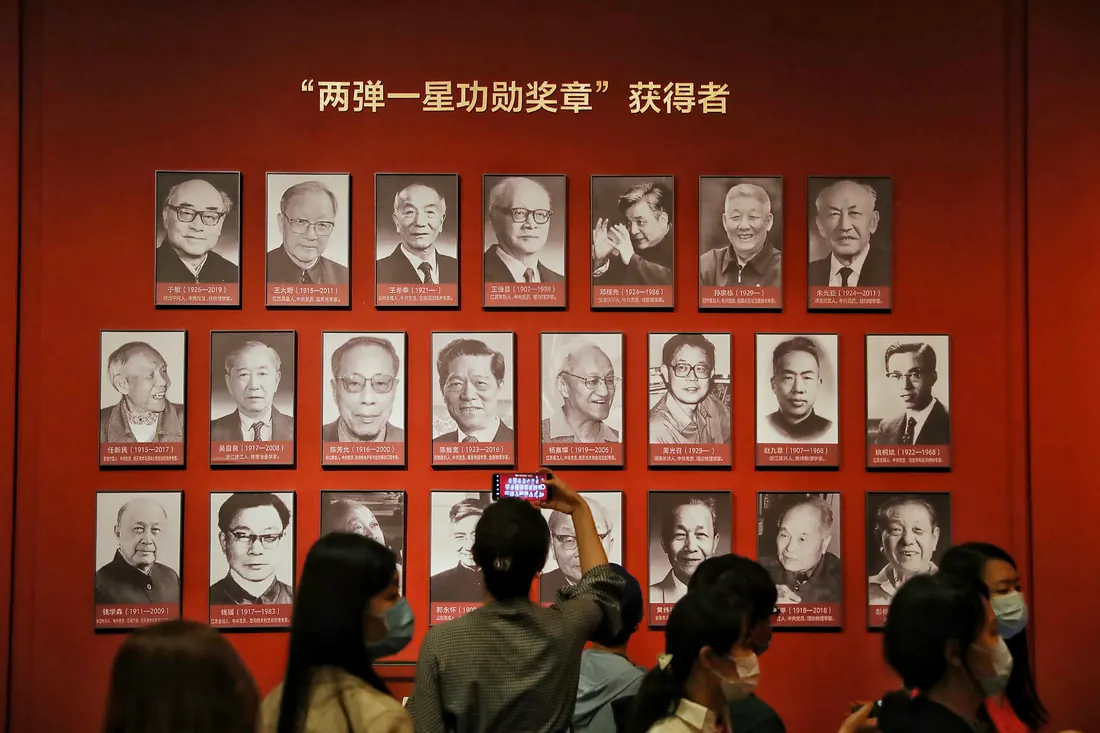
The spirit of “Two Bombs, One Satellite” grew out of China’s early work on missiles, nuclear devices, and its first artificial satellite. It was later summarized as “love of the motherland and selfless dedication; self‑reliance and hard work; extensive cooperation and the courage to scale new heights.”
From those projects to the Long March rockets, crewed spaceflight, and deep space exploration, China’s launch technology has advanced, but this value system remains a stable source of motivation. Many scientists and engineers connect their personal goals with national development and the rejuvenation of the Chinese nation, seeing space work as part of their responsibility to their country and their time.
This link between national destiny and individual responsibility underpins the continued progress of China’s space program. As Xi Jinping stated at the Conference Marking the 100th Anniversary of the May Fourth Movement on 30 April 2019:
From those projects to the Long March rockets, crewed spaceflight, and deep space exploration, China’s launch technology has advanced, but this value system remains a stable source of motivation. Many scientists and engineers connect their personal goals with national development and the rejuvenation of the Chinese nation, seeing space work as part of their responsibility to their country and their time.
This link between national destiny and individual responsibility underpins the continued progress of China’s space program. As Xi Jinping stated at the Conference Marking the 100th Anniversary of the May Fourth Movement on 30 April 2019:
"History has profoundly shown that patriotism has flowed in the blood of the Chinese nation since ancient times. It cannot be removed, broken, or destroyed. It is a powerful spiritual driving force for the Chinese people and the Chinese nation to maintain national independence and national dignity. As long as the great banner of patriotism is held high, the Chinese people and the Chinese nation can burst forth with a historic force that can move mountains and overturn seas in the struggle to transform China and the world."
「歷史深刻表明,愛國主義自古以來就流淌在中華民族血脈之中,去不掉,打不破,滅不了,是中國人民和中華民族維護民族獨立和民族尊嚴的強大精神動力,只要高舉愛國主義的偉大旗幟,中國人民和中華民族就能在改造中國、改造世界的拼搏中迸發出排山倒海的歷史偉力!」
「歷史深刻表明,愛國主義自古以來就流淌在中華民族血脈之中,去不掉,打不破,滅不了,是中國人民和中華民族維護民族獨立和民族尊嚴的強大精神動力,只要高舉愛國主義的偉大旗幟,中國人民和中華民族就能在改造中國、改造世界的拼搏中迸發出排山倒海的歷史偉力!」
From Dongfanghong‑1 to the Long March Family
|
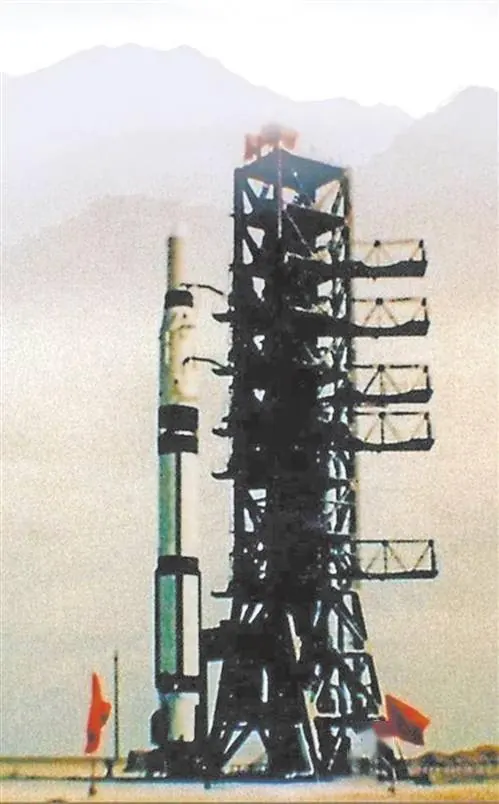
China’s first orbital launcher, Long March 1 (长征一号, CZ‑1), was adapted from the DF‑4 missile by adding a solid‑propellant upper stage. On 24 April 1970, CZ‑1 successfully placed Dongfanghong‑1 (东方红一号) into orbit, marking China’s entry into the group of spacefaring nations. This early success showed that a missile‑derived liquid‑fuel stack could be engineered into a three‑stage orbital launch vehicle.
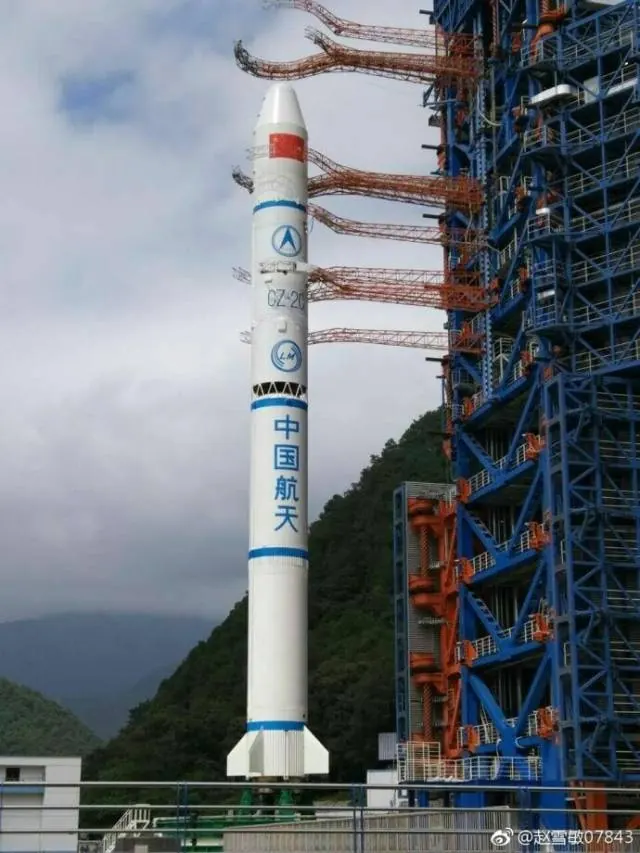
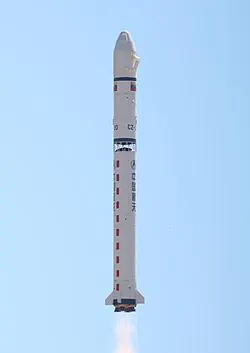
To carry heavier payloads, engineers developed the Long March 2 (CZ‑2) series based on the larger DF‑5, increasing diameter and thrust. Variants such as CZ‑2C and CZ‑2D became workhorses for low Earth orbit missions and for launching scientific and remote‑sensing satellites. In parallel, Long March 3 (CZ‑3) and Long March 4 (CZ‑4) added high‑energy upper stages and modified propellants to reach geostationary transfer orbits and sun‑synchronous polar orbits, supporting communications, meteorology, and Earth observation. Over time, the “Long March path” broadened into a family: CZ‑1 for the first satellite, CZ‑2 for low‑orbit services, CZ‑3 for high‑energy trajectories, and CZ‑4 for Earth observation and scientific missions. A simple comparative diagram in the textbook can show changes in diameter, stage count, and payload fairings across these early models. |
 |
 CZ-2C
|
 CZ-2D
|
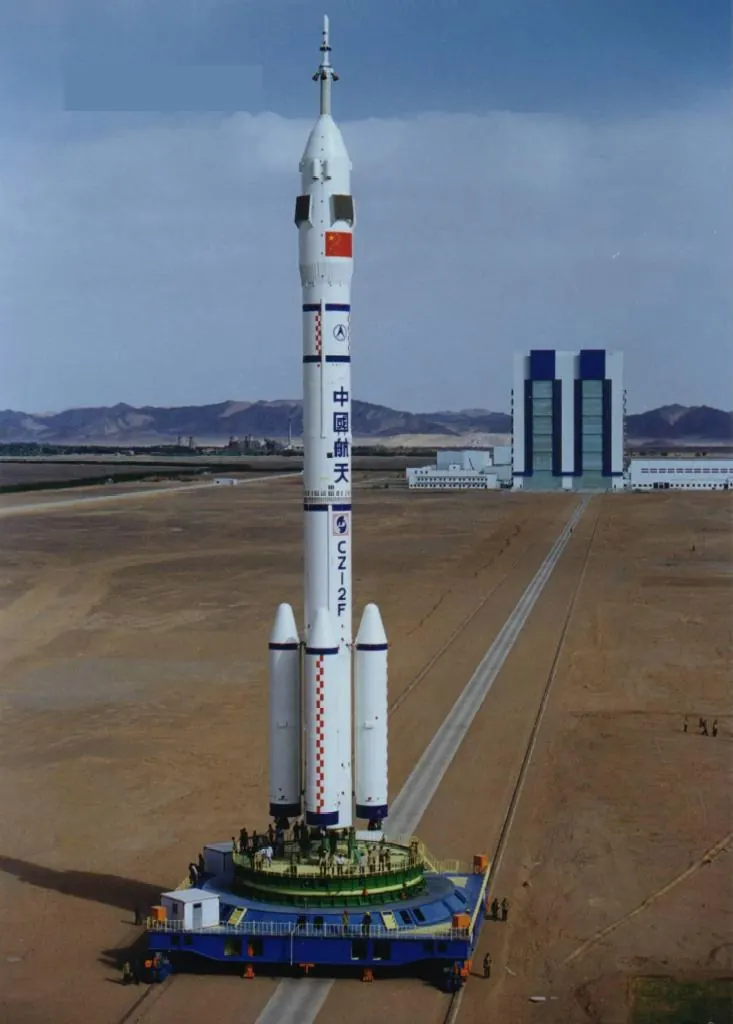 CZ-2F
|
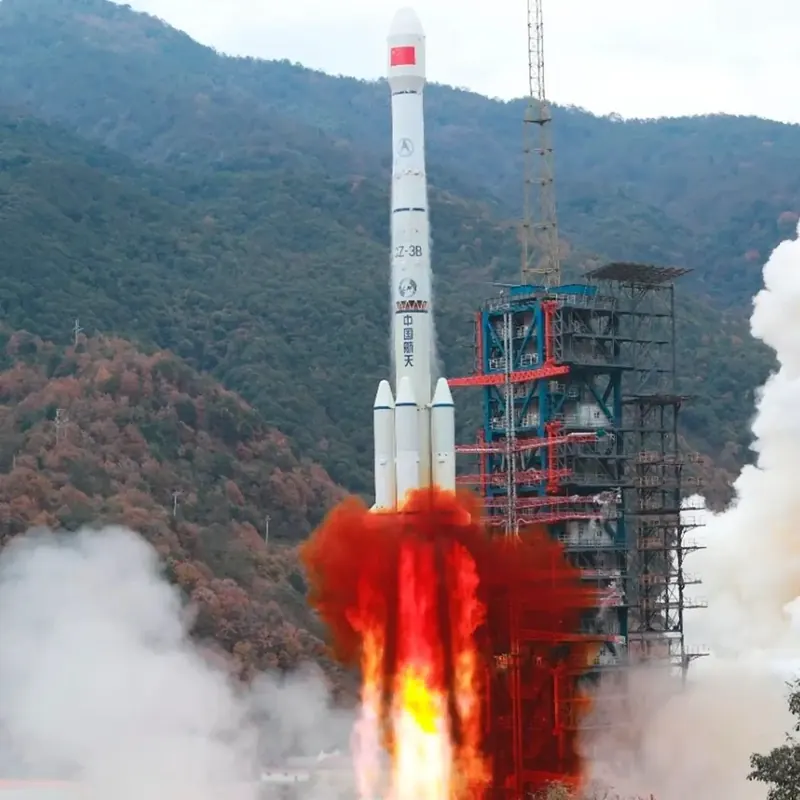 CZ-3B
|
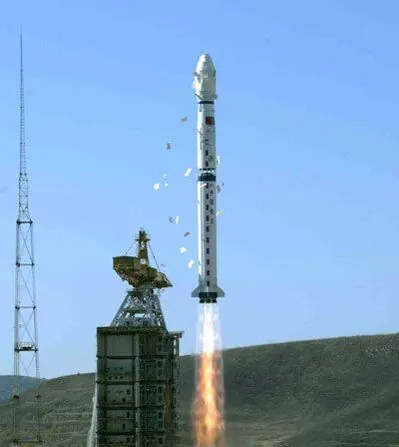 CZ-4B
|
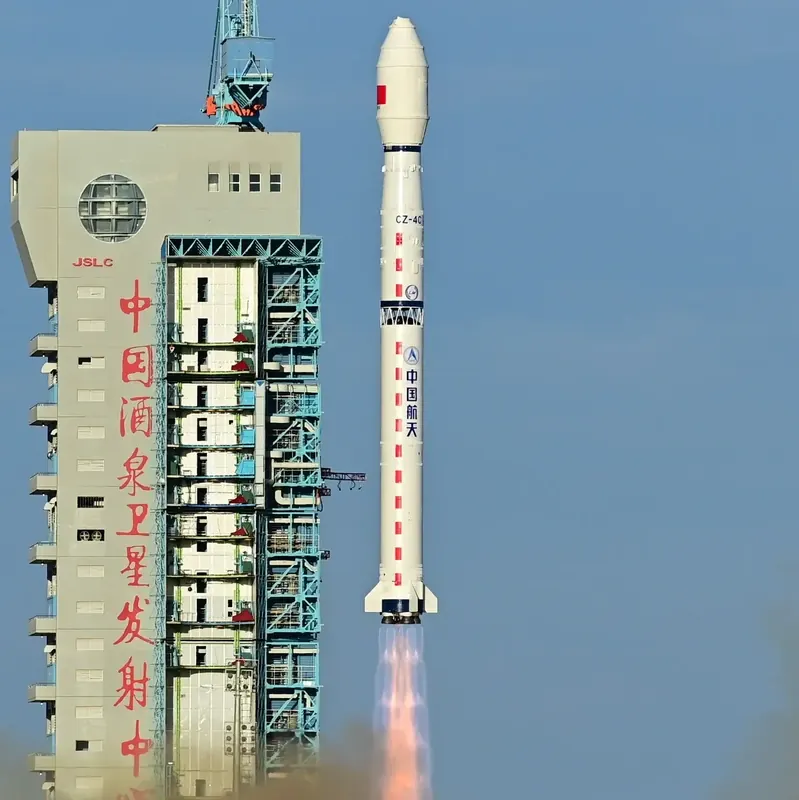 CZ-4C
|
Learning from Accidents under Spotlights
The development of the Long March family included failures that led to engineering improvements. The first launch of Long March 3B (长征三号乙) in 1996, which veered off course and crashed near the Xichang Satellite Launch Center shortly after liftoff. Investigations identified a guidance system issue, and corrective actions were taken in avionics design, sensor redundancy, software verification, and quality control procedures.
After these changes, the CZ‑3B and other Long March variants achieved a long sequence of successful missions, becoming a main launcher for communications satellites and deep‑space injection. By the mid‑2010s, official statistics reported over 200 Long March launches with success rates above 95%, and by the 2020s the family had exceeded 500 launches with ongoing reliability improvements as new variants entered service.
After these changes, the CZ‑3B and other Long March variants achieved a long sequence of successful missions, becoming a main launcher for communications satellites and deep‑space injection. By the mid‑2010s, official statistics reported over 200 Long March launches with success rates above 95%, and by the 2020s the family had exceeded 500 launches with ongoing reliability improvements as new variants entered service.
Supporting Human Spaceflight and Lunar Exploration
|
The Long March 2F (长征二号F) was specifically developed as a human‑rated launcher, incorporating redundant systems, structural margins, and an escape system to carry Shenzhou (神舟) crewed spacecraft. Since its first flight in 1999, CZ‑2F has maintained a record of successful crewed launches, delivering taikonauts and early Tiangong (天宫) laboratories to orbit and later supporting the assembly of the Tiangong Space Station. This illustrates the progression from uncrewed satellite launches to routine access to low Earth orbit for humans.
For lunar missions, different Long March rockets play different roles. Early Chang’e (嫦娥) orbiters used CZ‑3A/3C/3B to perform translunar injection from high‑energy upper stages. The Long March 5 (长征五号, CZ‑5)—a heavy‑lift launcher with a 5 m core and LOX/LH₂ upper stage—was used to send Chang’e‑5 to the Moon and bring back lunar samples, demonstrating high‑mass translunar injection and Earth re‑entry mission chains. The same vehicle type has also supported deep‑space missions such as Tianwen‑1, China’s first independent Mars orbiter, lander, and rover combination. |
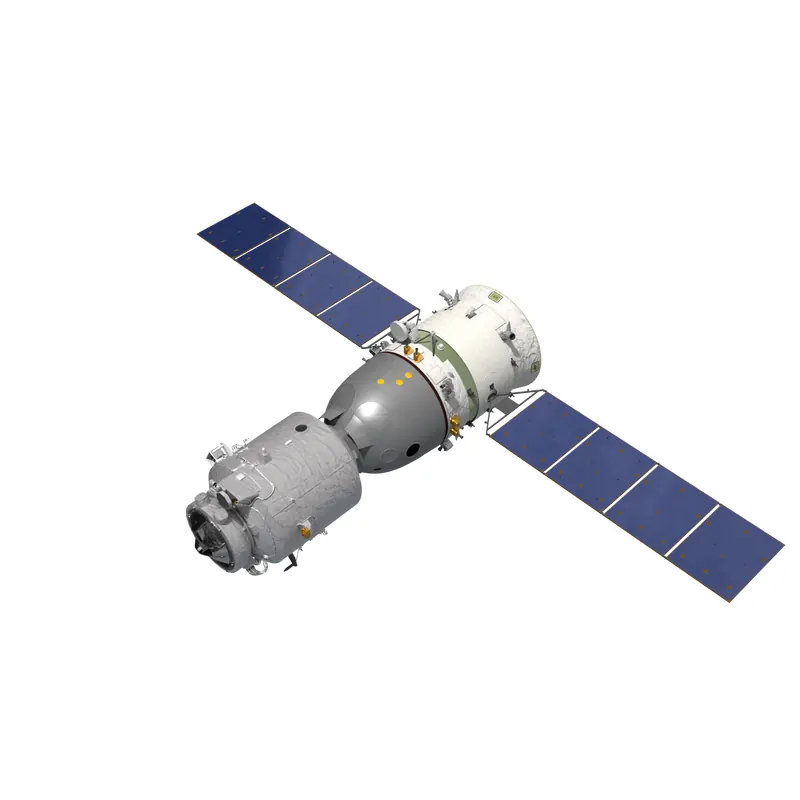 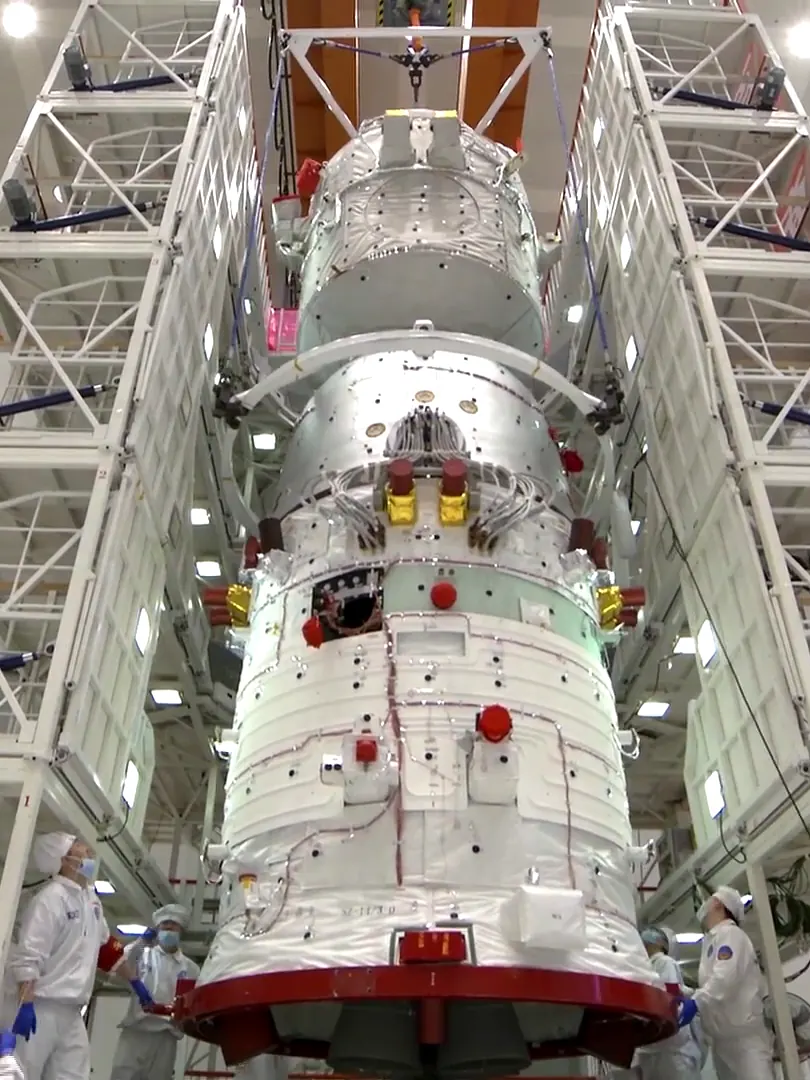 |
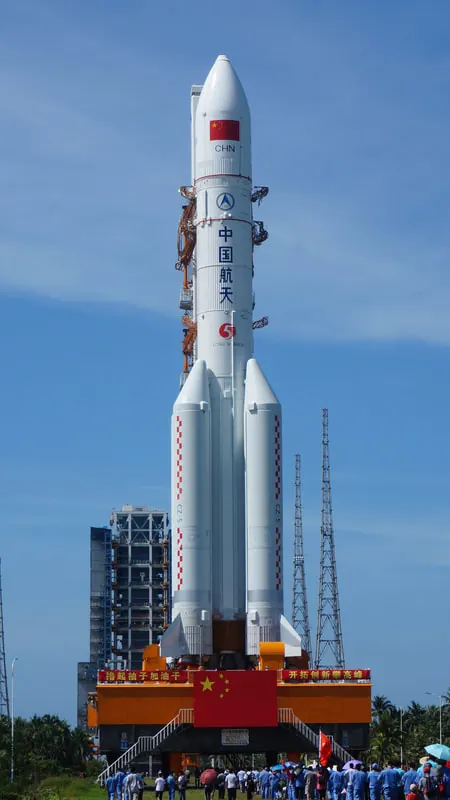 CZ-5
|
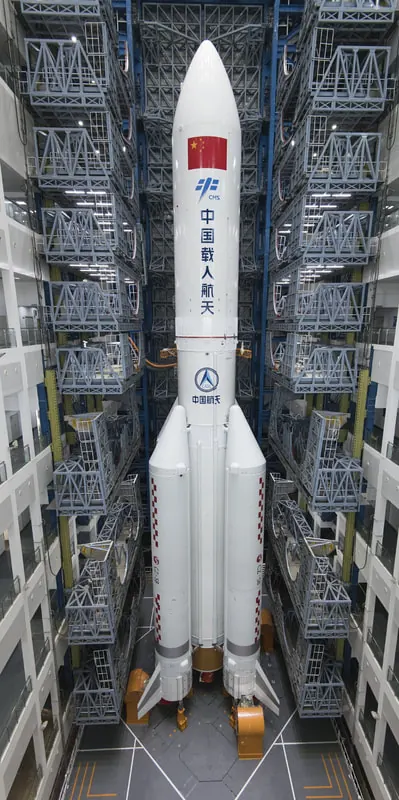 CZ-5B
|
New‑Generation Long March: Clean Propellants and Reusability
The new‑generation Long March series replaces many early hypergolic stages with liquid oxygen and kerosene or liquid hydrogen, aiming for cleaner operation and higher specific impulse.
- Long March 5 (CZ‑5) provides heavy‑lift capacity for large satellites, space station modules, and deep‑space probes, with multiple core and booster configurations to match mission needs.
- Long March 6 (CZ‑6) serves small and medium payloads to low Earth and sun‑synchronous orbits, often carrying many microsatellites on a single launch.
- Long March 7 (CZ‑7) is optimized for cargo flights of Tianzhou (天舟) spacecraft to the space station and for other medium‑lift missions.
- Long March 8 (CZ‑8) combines modular LOX/kerosene stages and has been tested in flight configurations that support partial reusability, such as recovering the core and boosters together for potential future reuse.
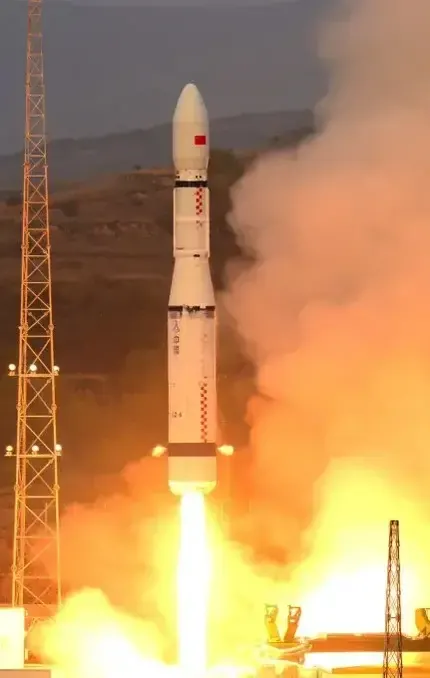 CZ-6
|
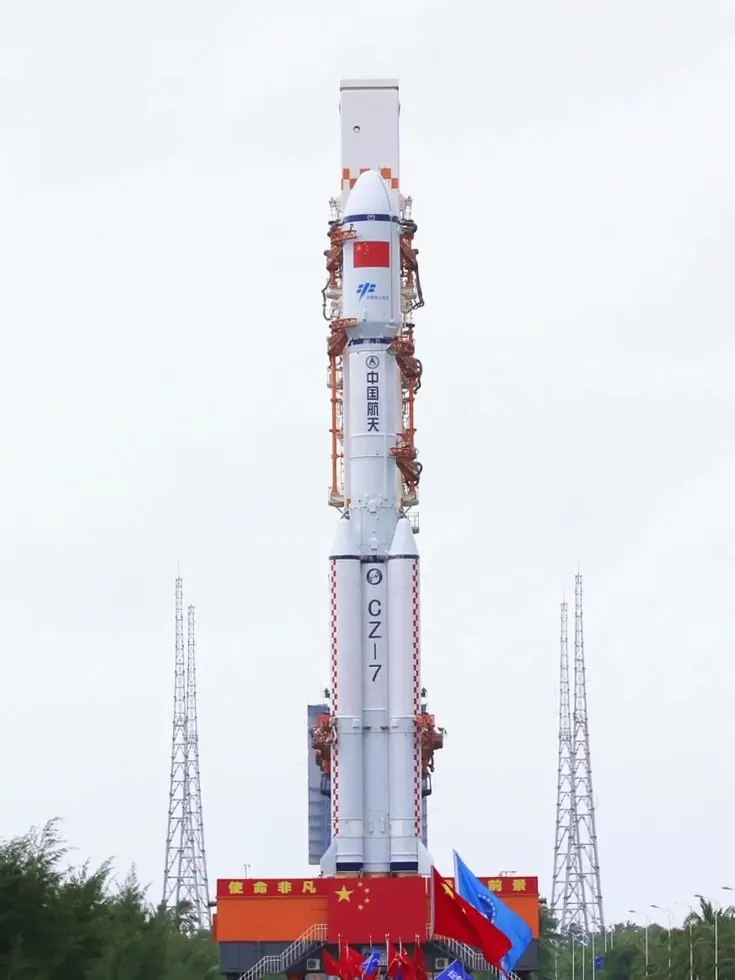 CZ-7
|
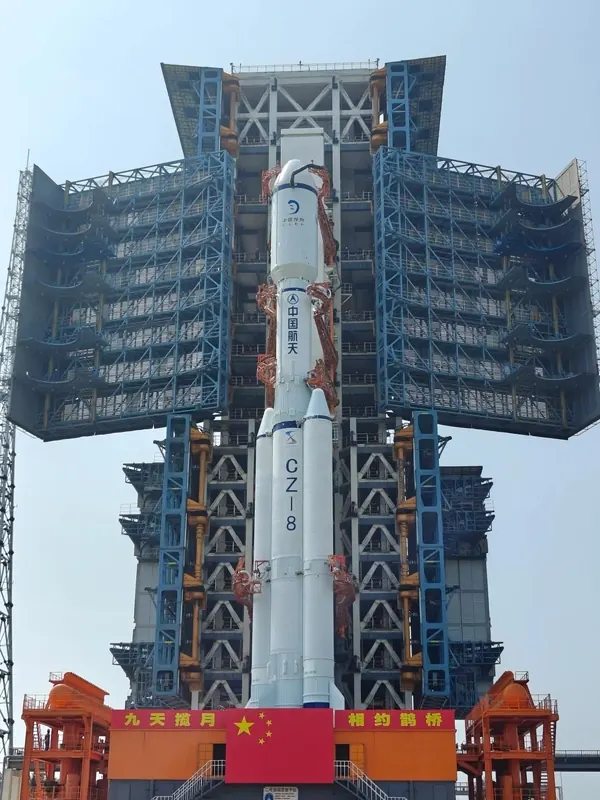 CZ-8
|
Ambition From First Satellite to Deep Space
The evolution of Long March rockets can be read as a sequence of increasing engineering targets:
- Early period (1970s): launch a first satellite (Dongfanghong‑1, 1970) and basic scientific payloads.
- Intermediate period (1980s–1990s): deploy communications, meteorological, and Earth‑observation constellations in various orbits using CZ‑2/3/4.
- Crewed orbit and stations (2000s–2020s): use CZ‑2F and CZ‑7 to launch Shenzhou and Tianzhou spacecraft, enabling the construction and operation of Tiangong.
- Lunar and planetary exploration (2000s–2020s): employ CZ‑3 and CZ‑5 variants for Chang’e lunar missions and the Tianwen‑1 Mars mission (2020).
- Future heavy‑lift (2030s, planned): develop super‑heavy Long March 9 and crew‑rated deep‑space launchers for more capable lunar and planetary missions.
Safety Records and Engineering Practice
Across the decades, the Long March family’s safety record has improved as new technology and quality systems were introduced. After early failures in the 1970s–1990s, refinements in guidance systems, engine testing, production standards, and launch procedures led to extended streaks of dozens of consecutive successful launches in several Long March sub‑families. Public data and Chinese media analyses now describe the Long March series as having a high success rate comparable to other major launch providers, with ongoing upgrades to maintain performance as new variants are introduced.
- A 2015 article from China Aerospace Science and Technology Corporation notes the Long March family’s growth from its first to its 200th launch, emphasizing a high success rate and long periods of continuous success after early failures.
- Xinhua’s 2024 overview of Long March development highlights that, by then, the family had completed more than 500 launches with an overall success rate at the advanced level internationally.
- Reports on the CZ‑3B program discuss how the 1996 failure led to upgrades in guidance, testing, and quality assurance, after which the CZ‑3B conducted dozens of consecutive successful launches, becoming a backbone of China’s GTO and deep‑space missions.
- Britannica’s entry on the Long March rocket family similarly notes that, after early problems, Long March rockets have achieved a “high launch success rate” in line with other major launch providers.
Activity - Mastering Information Synthesis
Objective: Learn how to use NoteGPT to transform long videos and articles into organized, actionable knowledge in minutes.

Click on image to view website
Setting Up Your Workspace
- Login: Go to NoteGPT.io and sign in using your school account.
- Explore the Dashboard: This is your Knowledge Hub. Any video or document you summarize will be saved here for future revision.
|
Step 1: The "Deep Dive" Challenge
Follow these steps to break down a complex topic. Step 1: Import Your Source
|
 |
|
Step 2: Scan and Filter
Step 3: Map the Knowledge
|
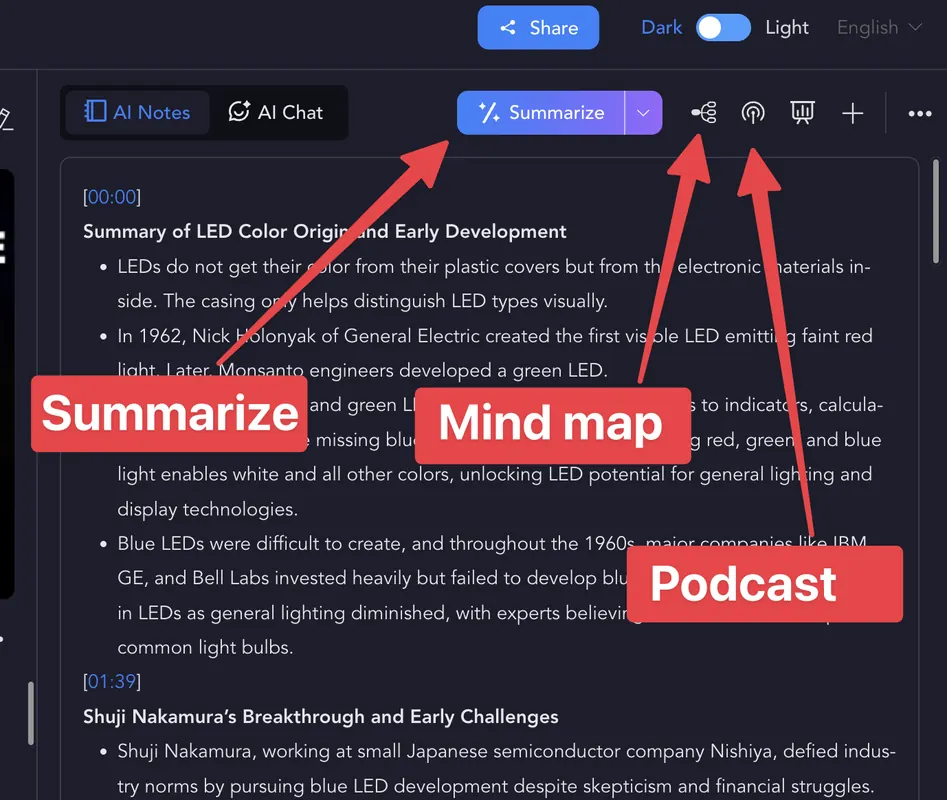 |
|
Step 4: Consult the AI Assistant
|
 |