Introduction
China's space program began not as a prestige project but as a desperate bid for national survival amid Cold War nuclear threats, with visionary scientists like Qian Xuesen returning from the West to build missile capabilities that would evolve into orbital rocketry.
中國的航天事業起源於冷戰時期核威脅下的求生之戰,錢學森等先驅科學家從西方歸來,帶領團隊從導彈技術起步,最終實現進入軌道的火箭能力。
中國的航天事業起源於冷戰時期核威脅下的求生之戰,錢學森等先驅科學家從西方歸來,帶領團隊從導彈技術起步,最終實現進入軌道的火箭能力。
Cold War Catalyst: Why China Needed Missiles and Satellites
The 1950s saw new China surrounded by U.S. nuclear superiority and Soviet hesitancy to share missile technology, compelling leaders to prioritize "missiles first, satellites second" as deterrence tools. Qian Xuesen, detained in the U.S. for five years before returning in 1955, warned that without intercontinental ballistic missiles, China risked annihilation in any superpower conflict. By 1956, Mao Zedong approved the "defense aviation industry," establishing the Fifth Academy under Qian's leadership to reverse-engineer Soviet P-2 missiles while fostering domestic innovation.
20世紀50年代,新中國面對美國核優勢與蘇聯技術轉讓猶豫,迫使領導層確立「導彈第一、衛星第二」的戰略,作為國家威懾的基礎工具。 錢學森在美國被拘留五年後於1955年回國,警告若無洲際彈道導彈,中國在任何超級大國衝突中都將面臨毀滅性打擊。 到1956年,毛澤東批准「國防航空工業」,在錢學森領導下成立第五研究院,反向工程蘇聯P-2導彈的同時推動自主創新。
20世紀50年代,新中國面對美國核優勢與蘇聯技術轉讓猶豫,迫使領導層確立「導彈第一、衛星第二」的戰略,作為國家威懾的基礎工具。 錢學森在美國被拘留五年後於1955年回國,警告若無洲際彈道導彈,中國在任何超級大國衝突中都將面臨毀滅性打擊。 到1956年,毛澤東批准「國防航空工業」,在錢學森領導下成立第五研究院,反向工程蘇聯P-2導彈的同時推動自主創新。
Pioneers Return: Qian Xuesen and the Founding Generation
|
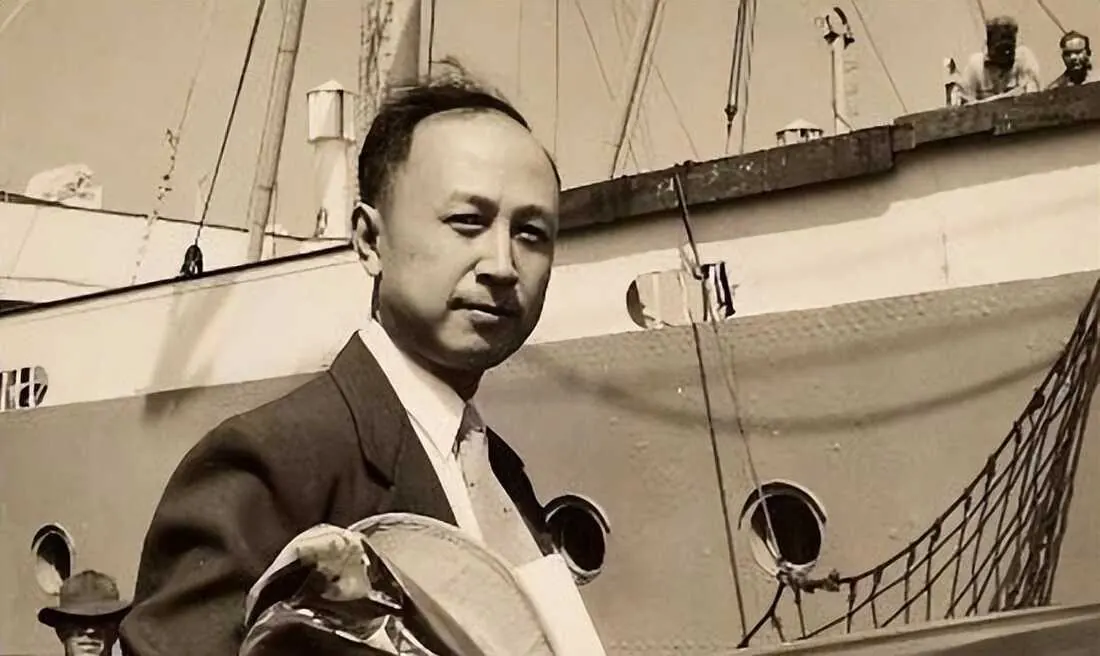
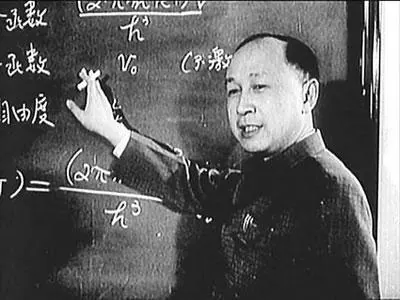
Qian Xuesen, often called the father of Chinese rocketry, assembled a team blending overseas-trained experts like Deng Jiaxian and Zhao Jiuzhang with domestic talents such as Sun Jiadong and Ren Xinmin, forming the "Two Bombs, One Satellite" meritocracy that prized self-reliance over bureaucracy. These 23 honorees, including hydrogen bomb architect Yu Min and satellite pioneer Zhao, endured privation in remote bases like Qinghai's Base 25, where Guo Yonghuai perished in a 1968 plane crash while safeguarding secrets. Their ethos—"hardship makes the man"—propelled China from imported blueprints to indigenous designs within a decade.
被譽為中國火箭之父的錢學森,匯聚了鄧稼先、趙九章、孫家棟、任新民等海歸專家與國內人才,組成了「兩彈一星」精英團隊,強調自力更生勝於官僚體系。 這23位功勛獲得者,包括氫彈之父于敏與衛星先驅趙九章,在青海25基地等艱苦環境中奮鬥,郭永懷在1968年飛機失事中為保護機密而犧牲。 他們「艱苦奮鬥」的精神,讓中國在十年內從進口藍圖走向自主設計。 |
  |
Fifth Academy Rises: Institutions Amid Sandstorms
Established October 8, 1956, the National Defense Ministry Fifth Research Academy (later the China Academy of Launch Vehicle Technology) grew into nine branches across China's northwest deserts, with Jiuquan launch site selected for its isolation and clear skies. Early trials yielded humiliating failures—rockets exploding on pads—but Soviet aid until 1960 taught liquid propulsion basics, enabling the Dongfeng-1 short-range missile by 1960. Relentless testing under wind-swept conditions forged engineers like Huang Weilu, whose control systems tamed reentry vibrations.
1956年10月8日成立的國防部第五研究院(後改為中國運載火箭技術研究院),在中國西北沙漠擴展為九大分院,酒泉發射場因其隔絕與晴朗天氣被選為首選基地。 早期試驗屢遭失敗——火箭墊上爆炸——但蘇聯援助至1960年傳授了液體推進基礎,使東風-1短程導彈於1960年問世。 在風沙肆虐條件下堅持試驗,鑄就了黃緯祿等工程師馴服再入振動的控制系統。
Missiles to Orbit: Dongfeng Evolution and Chang Zheng-1 Birth
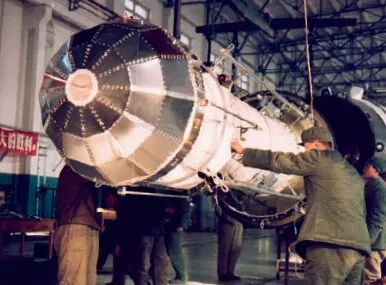
The Dongfeng series bridged military and civilian realms: DF-2 (1964 mid-range) and DF-4 (1965) provided the multistage backbone for orbital launches, with Chang Zheng-1 derived directly from DF-4's first two stages. By 1965, parallel satellite efforts under Zhao Jiuzhang produced the 173-kg Dongfanghong-1 sphere, designed to broadcast revolutionary music proving functionality. Integration challenges nearly derailed the project, but Qian's insistence on "up, trackable, audible, visible" specs unified teams.
東風系列架起了軍民兩用橋樑:東風-2(1964年中程)、東風-4(1965年)提供了多級骨架,長征一號直接源自東風-4前兩級。 到1965年,趙九章領導的平行衛星項目產出了173公斤的東方紅一號球形衛星,設計用來播放革命樂曲證明功能性。 整合挑戰幾乎使項目脫軌,但錢學森堅持「上得去、能追蹤、能聽見、能看見」的規格統一了團隊。
Dongfanghong-1 Mission: The Four Sacred Goals That Launched a Nation
|
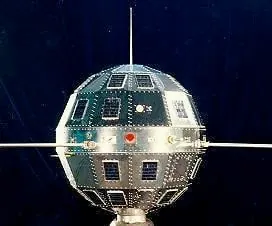
On April 24, 1970, Chang Zheng-1 roared from Jiuquan carrying Dongfanghong-1 into a 441 x 2,384 km orbit, successfully achieving Qian Xuesen's four core mission goals: (1) "Up" (上得去)—reliable ascent to orbit; (2) "Trackable" (抓得住)—stabilization and ground tracking; (3) "Audible" (聽得著)—telemetry signals receivable, broadcasting "The East is Red" for 25 days until battery depletes; (4) "Visible" (看得見)—optical visibility confirming satellite deployment. Weighing 173 kg—more than Sputnik 1—the satellite's success vaulted China into the exclusive club of spacefaring nations, its revolutionary anthem echoing across the airwaves. The launch, shrouded in secrecy until success, sparked nationwide euphoria, with Mao reportedly remarking it proved "we Chinese can do it."
1970年4月24日,長征一號從酒泉咆哮升空,攜帶東方紅一號進入441×2384公里軌道,完美達成錢學森提出的四項目標:(1)「上得去」—可靠進入軌道;(2)「抓得住」—姿態穩定並可地面追蹤;(3)「聽得著」—遙測信號可接收,播放《東方紅》持續25天,直至太陽能電池失效。;(4)「看得見」—光學可見確認衛星展開。 173公斤——重於人造衛星先驅「伴侶1號」——的衛星成功,將中國送入太空國家俱樂部,其革命樂曲迴盪電波。 發射高度保密直到成功,引發全國狂歡,據傳毛澤東評價「證明我們中國人能行」。 |
  |
Fifth in the World: Shockwaves and Strategic Reckoning
Dongfanghong-1 stunned the globe—fifth after USSR, USA, France, Japan—prompting U.S. intelligence to reassess China's resolve despite technological gaps like absent computers. Domestically, it validated self-reliance amid severed Soviet ties, though leaders recognized needs for heavier lift and recovery capsules, seeding 1970s ambitions. Sun Jiadong later reflected: "We entered space poor but determined; each failure bought progress."
東方紅一號震驚世界——僅次於蘇聯、美國、法國、日本成為第五個發射衛星國家——促使美國情報部門重新評估中國決心,儘管技術缺口如無電腦仍存。 國內則驗證了在蘇聯關係斷絕下的自力更生,但領導層意識到需要更大推力與返回艙,為70年代雄心埋下種子。 孫家棟後來回憶:「我們貧窮但堅定地進入太空,每一次失敗都買來進步。」
東方紅一號震驚世界——僅次於蘇聯、美國、法國、日本成為第五個發射衛星國家——促使美國情報部門重新評估中國決心,儘管技術缺口如無電腦仍存。 國內則驗證了在蘇聯關係斷絕下的自力更生,但領導層意識到需要更大推力與返回艙,為70年代雄心埋下種子。 孫家棟後來回憶:「我們貧窮但堅定地進入太空,每一次失敗都買來進步。」