Introduction
Aircraft have relied on burning fossil fuels to fly. Not only it is a non-renewable resources, it also creates a lot of green house gases. As we look to the future, the science of flight must evolve to find new ways to make air travel more sustainable. Scientists and engineers are exploring several paths, including new ways to power aircraft, new materials to build them with, and new shapes to help them move through the air more efficiently.
Early days of commercial aviation
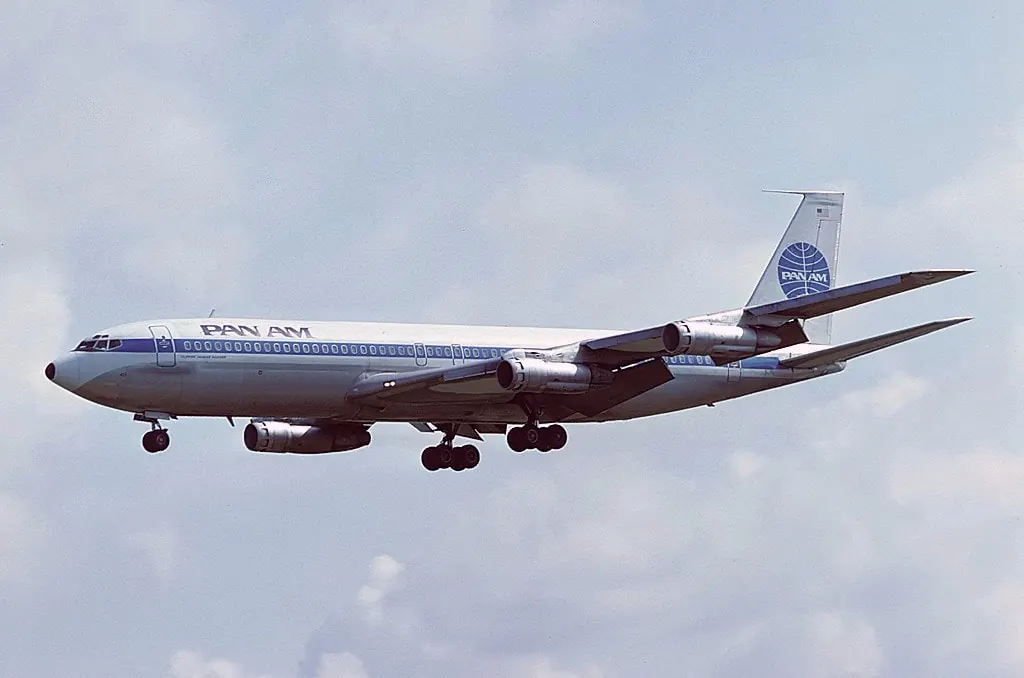
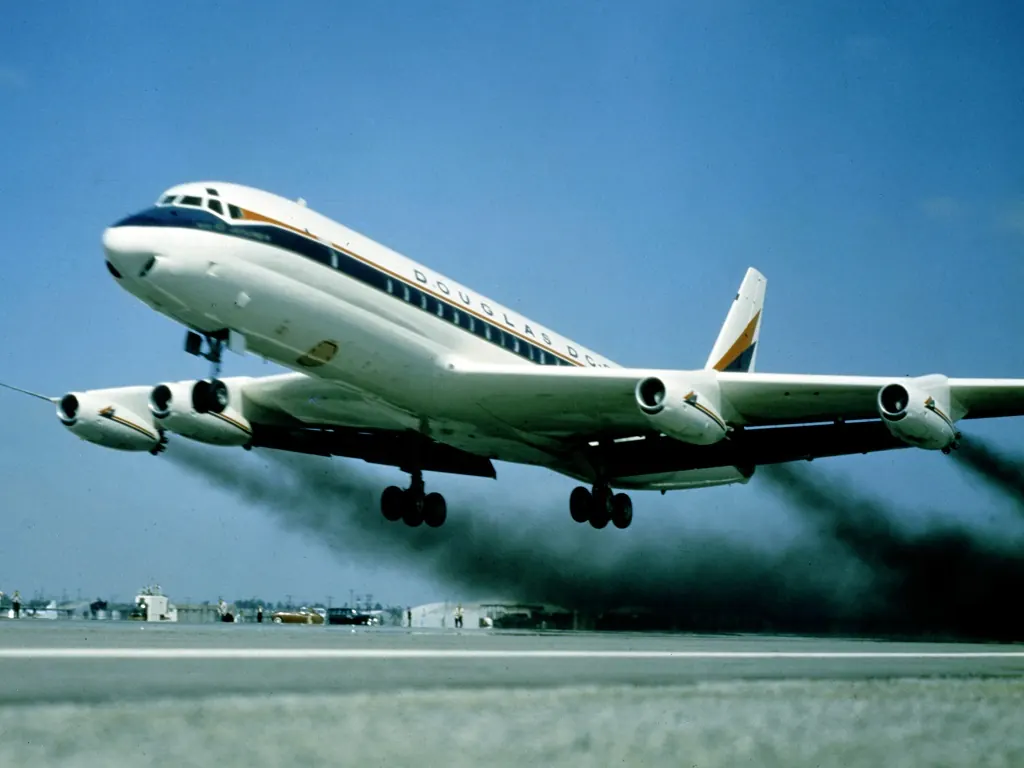
When commercial jet airliners first began connecting the world in the 1960s and 1970s, fuel efficiency was not the primary concern for aircraft designers. Early jets like the Boeing 707 and Douglas DC-8 consumed approximately 5-6 liters of fuel per passenger per 100 kilometers.
 |
 |
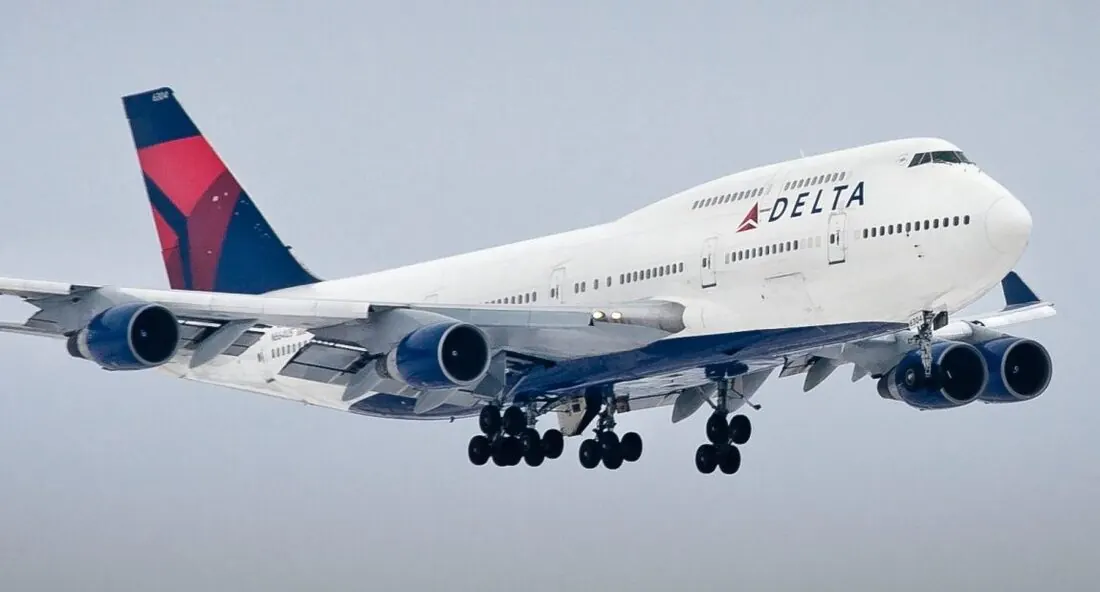
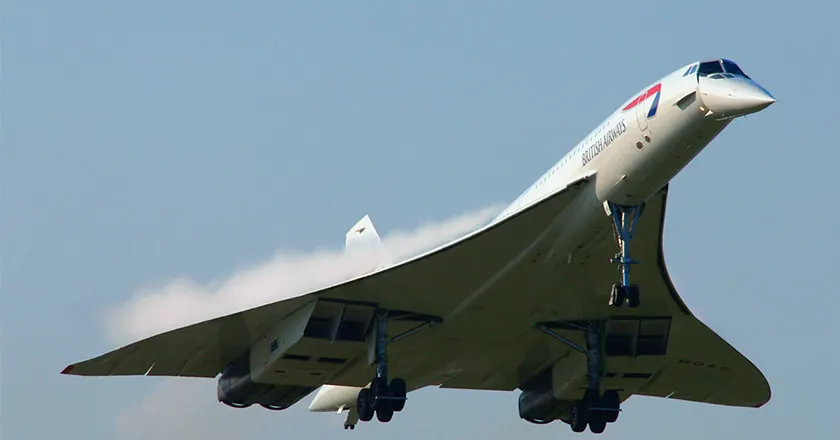
The Boeing 747, while revolutionary for its size and passenger capacity, used about 4 liters per passenger per 100 kilometers when it entered service in 1970. The Concorde's fuel consumption was approximately 16.7 liters per 100 km per passenger.
 |
 |
These aircraft were designed primarily for speed and range, with powerful engines that prioritized performance over fuel consumption. As air travel expanded rapidly during this period, the aviation industry began to recognize that fuel costs represented a significant portion of airline operating expenses, setting the stage for a new focus on efficiency.
Modern solution
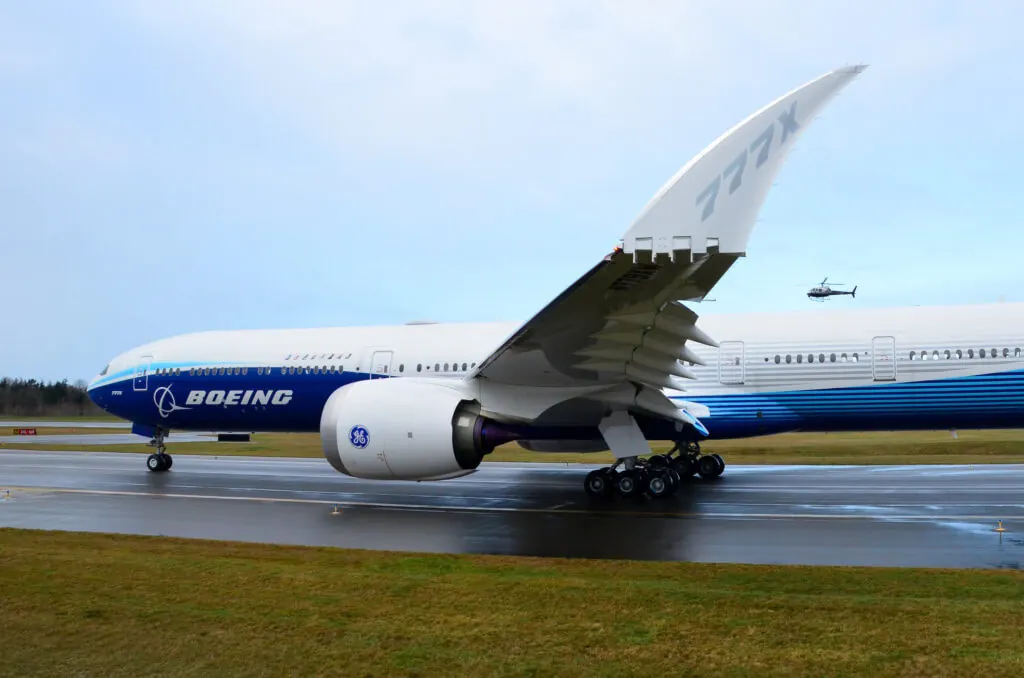
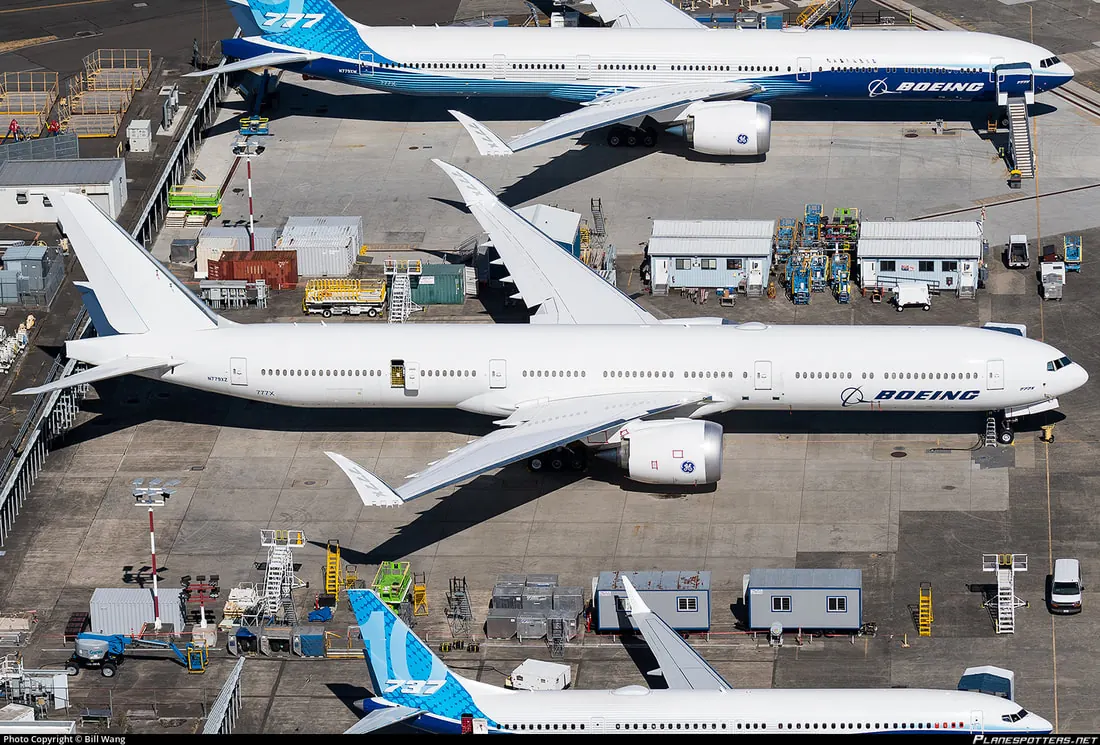
Modern aircraft manufacturers have made substantial improvements in fuel efficiency through various technological advances. The Boeing 777, particularly the extended-range variants, features longer wings with advanced winglets that reduce drag and improve fuel economy by up to 5%. These winglets help manage the vortices that form at wingtips, allowing the aircraft to slip through the air more efficiently.
The aircraft incorporates a supercritical wing design that maintains smooth airflow at higher speeds, delaying the formation of shock waves that create drag. The wing's thick profile allows for larger fuel tanks while housing more efficient engines like the General Electric GE90 series, which features a bypass ratio of 8:1 or higher. This means that for every unit of air passing through the engine core, eight units bypass it entirely, creating thrust more efficiently and quietly.
The 777's fly-by-wire flight control system continuously optimizes the aircraft's configuration during flight, automatically adjusting control surfaces to maintain the most efficient flight attitude and reducing pilot workload while maximizing fuel economy.
The aircraft incorporates a supercritical wing design that maintains smooth airflow at higher speeds, delaying the formation of shock waves that create drag. The wing's thick profile allows for larger fuel tanks while housing more efficient engines like the General Electric GE90 series, which features a bypass ratio of 8:1 or higher. This means that for every unit of air passing through the engine core, eight units bypass it entirely, creating thrust more efficiently and quietly.
The 777's fly-by-wire flight control system continuously optimizes the aircraft's configuration during flight, automatically adjusting control surfaces to maintain the most efficient flight attitude and reducing pilot workload while maximizing fuel economy.
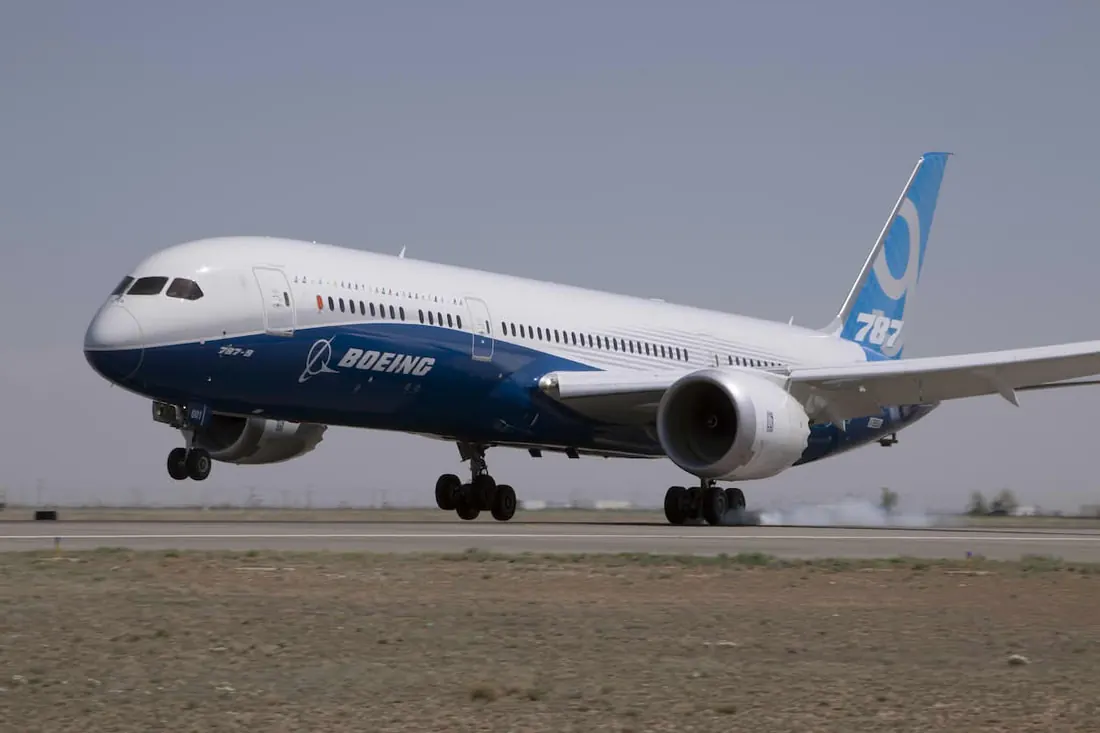
Similarly, the Boeing 787 Dreamliner incorporates composite materials that make up approximately 50% of the aircraft's structure. These carbon fiber reinforced plastics are lighter than traditional aluminum while maintaining strength, reducing the overall weight of the aircraft and consequently its fuel consumption.
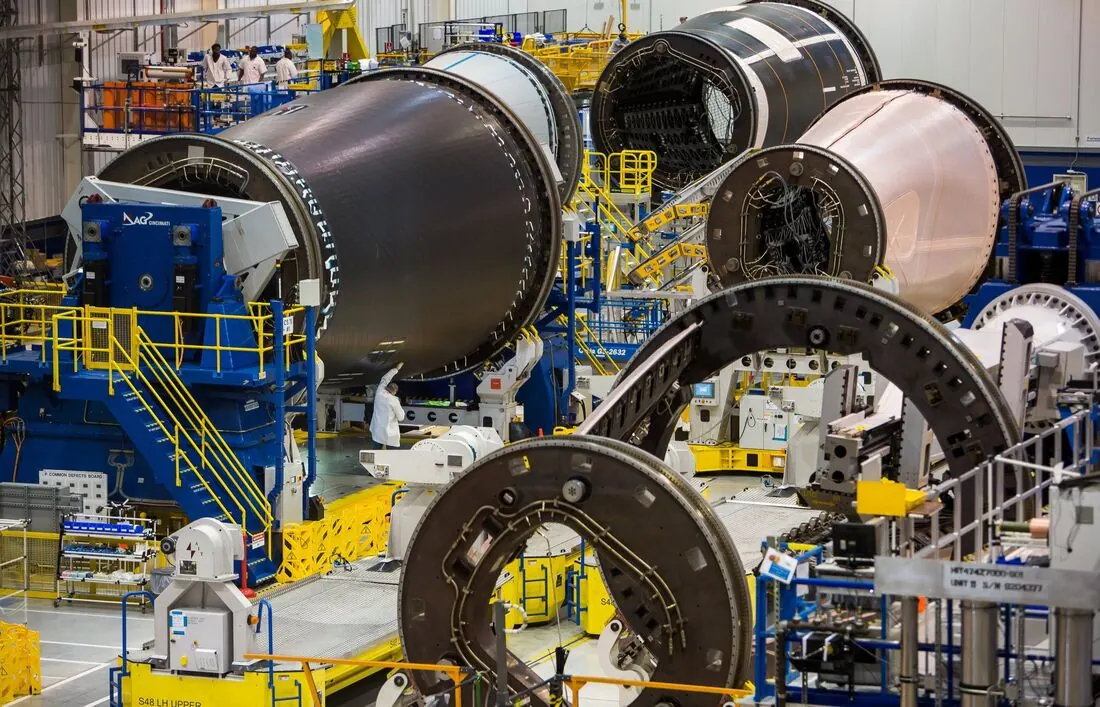
Its composite fuselage is manufactured in large barrel sections, eliminating thousands of fasteners and joints that add weight and potential failure points. The carbon fiber material allows for higher cabin pressure and humidity levels because it doesn't suffer from metal fatigue like aluminum, improving passenger comfort while maintaining structural integrity. The aircraft's electrical systems replace many traditional hydraulic and pneumatic systems, reducing weight and maintenance requirements.
The 787's engines, either the Rolls-Royce Trent 1000 or General Electric GEnx, feature ceramic matrix composite components in their hot sections, allowing them to operate at higher temperatures and pressures for improved efficiency.
Its composite fuselage is manufactured in large barrel sections, eliminating thousands of fasteners and joints that add weight and potential failure points. The carbon fiber material allows for higher cabin pressure and humidity levels because it doesn't suffer from metal fatigue like aluminum, improving passenger comfort while maintaining structural integrity. The aircraft's electrical systems replace many traditional hydraulic and pneumatic systems, reducing weight and maintenance requirements.
The 787's engines, either the Rolls-Royce Trent 1000 or General Electric GEnx, feature ceramic matrix composite components in their hot sections, allowing them to operate at higher temperatures and pressures for improved efficiency.
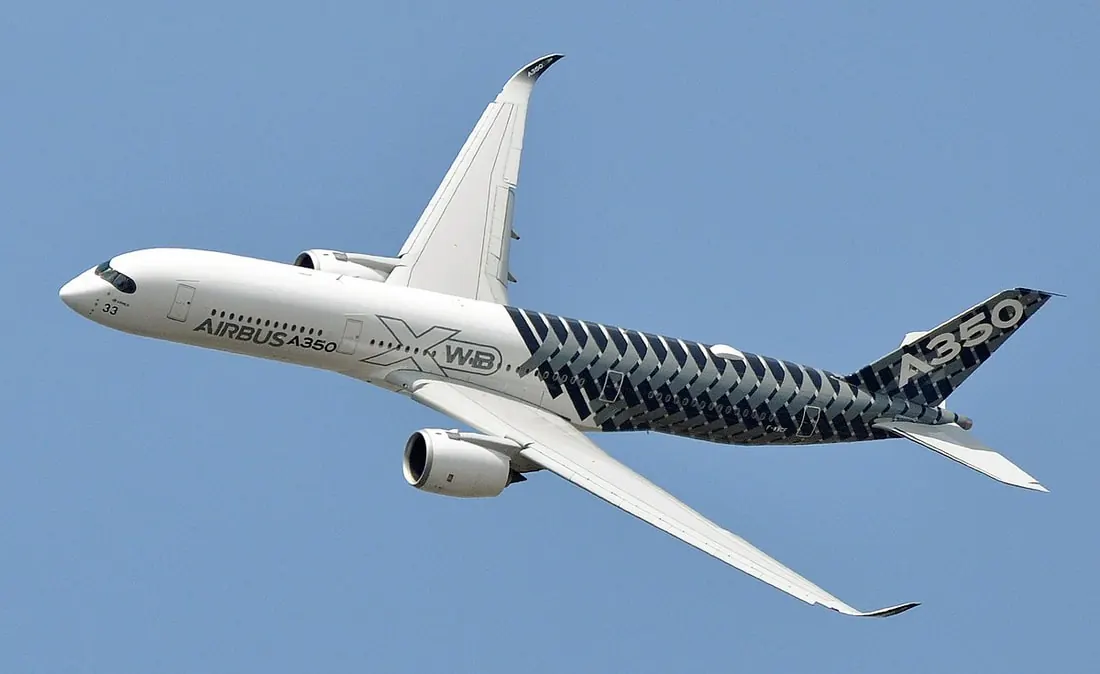
The Airbus A350 Sharklet winglets are designed using computational fluid dynamics to minimize induced drag.
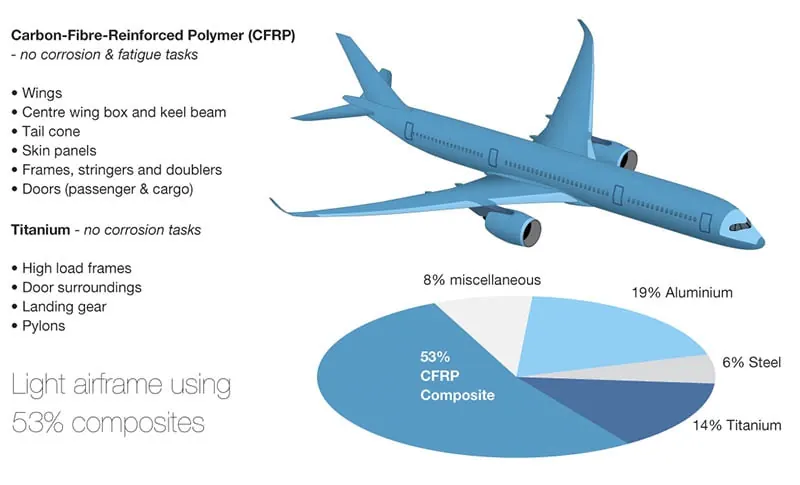
It employs a combination of materials, with 53% composite materials, 19% aluminum-lithium alloy, 14% titanium, 6% steel, and 8% other materials. This careful selection places each material where its properties are most beneficial.
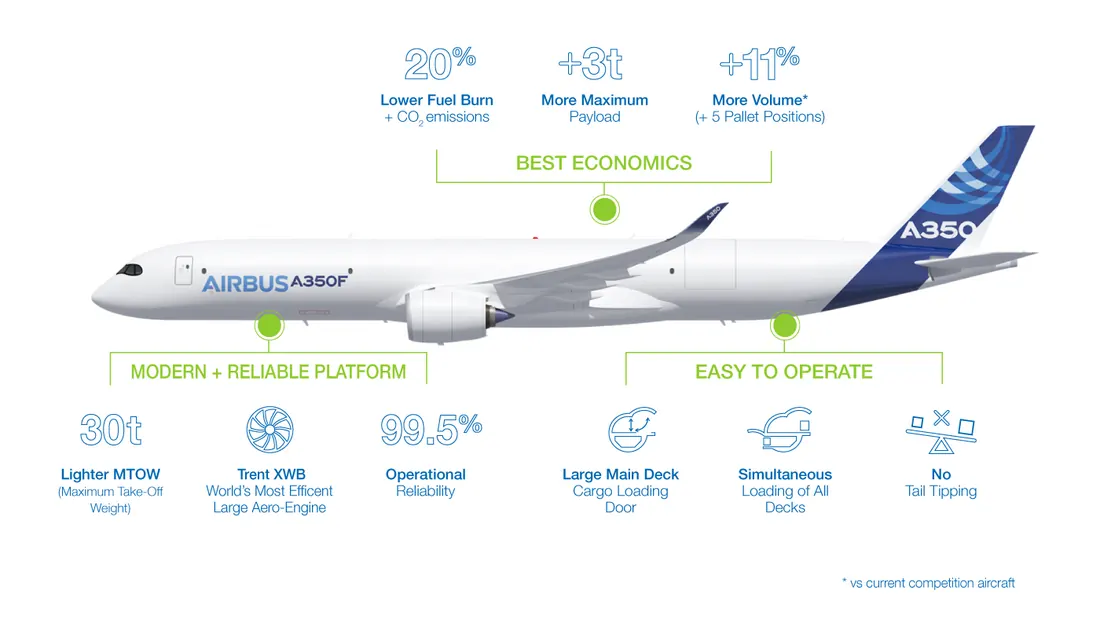
The A350's Rolls-Royce Trent XWB engines incorporate advanced blade designs and materials, including single-crystal turbine blades that can withstand extreme temperatures. The aircraft's fuel system includes a trim tank in the horizontal stabilizer that can shift fuel to optimize the center of gravity during flight, reducing drag and improving efficiency throughout the journey.
It employs a combination of materials, with 53% composite materials, 19% aluminum-lithium alloy, 14% titanium, 6% steel, and 8% other materials. This careful selection places each material where its properties are most beneficial.
The A350's Rolls-Royce Trent XWB engines incorporate advanced blade designs and materials, including single-crystal turbine blades that can withstand extreme temperatures. The aircraft's fuel system includes a trim tank in the horizontal stabilizer that can shift fuel to optimize the center of gravity during flight, reducing drag and improving efficiency throughout the journey.
 |
 |
Efficiency in the future
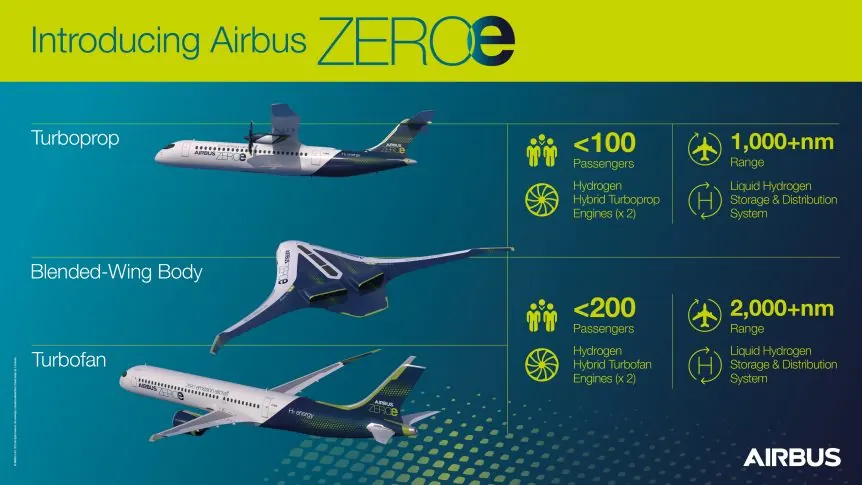
Looking toward the future, several groundbreaking aircraft designs promise to transform aviation's environmental impact. Airbus has announced the ZEROe concept, which explores three different approaches to hydrogen-powered flight. These designs include a traditional tube-and-wing configuration, a blended wing body, and a turboprop variant, all powered by hydrogen fuel cells or hydrogen combustion engines. The hydrogen fuel produces only water vapor as a byproduct, eliminating carbon dioxide emissions during flight.
Airbus ZEROe
Boeing's X-66A represents a different approach, featuring a transonic truss-braced wing design where the wings are supported by diagonal struts.
The diagonal struts that support the longer wings are carefully positioned to minimize their own drag while allowing the wings to be both longer and thinner than would be structurally possible without support. This configuration enables the wings to operate more efficiently across a broader range of speeds and altitudes. The struts themselves are shaped using sophisticated aerodynamic analysis to ensure they contribute positively to the aircraft's overall performance.
The design requires new manufacturing techniques and assembly procedures, as the integrated wing-strut system must be built as a unified structure rather than separate components joined together.
The diagonal struts that support the longer wings are carefully positioned to minimize their own drag while allowing the wings to be both longer and thinner than would be structurally possible without support. This configuration enables the wings to operate more efficiently across a broader range of speeds and altitudes. The struts themselves are shaped using sophisticated aerodynamic analysis to ensure they contribute positively to the aircraft's overall performance.
The design requires new manufacturing techniques and assembly procedures, as the integrated wing-strut system must be built as a unified structure rather than separate components joined together.
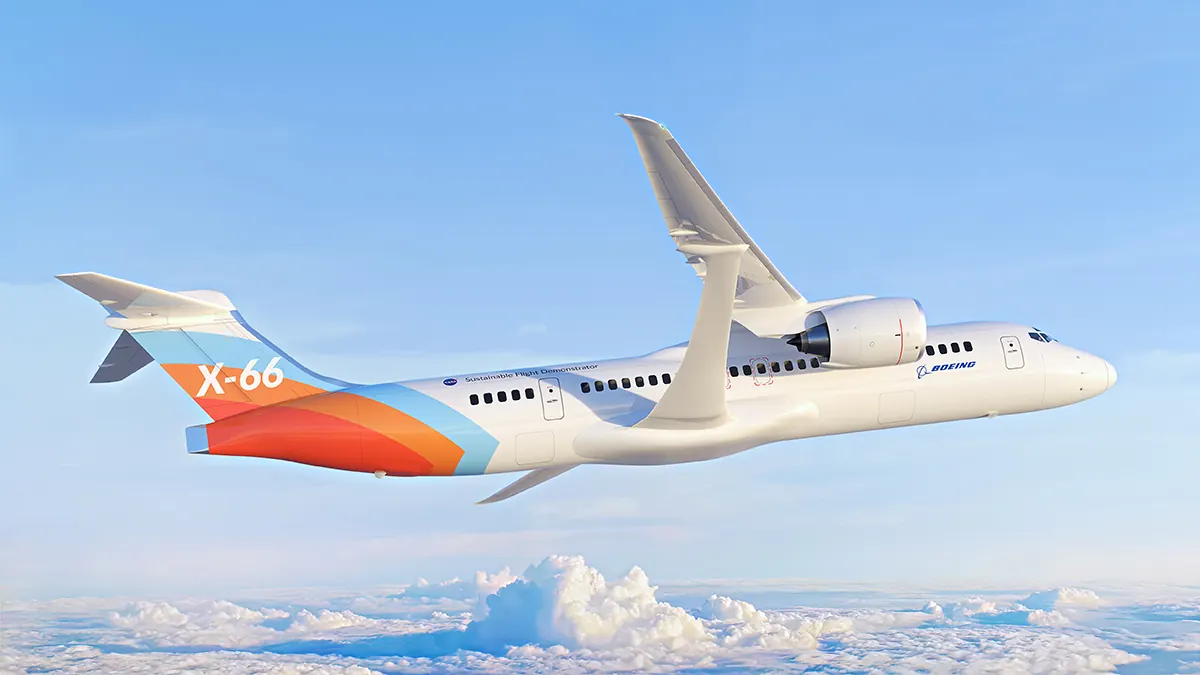
Boeing X66A
Electric propulsion is becoming increasingly viable for shorter routes and smaller aircraft. Heart Aerospace from Sweden has developed the ES-30, a 30-passenger electric aircraft designed for regional flights up to 200 kilometers. The aircraft uses electric motors powered by advanced lithium-ion batteries, producing zero emissions during flight and significantly reduced noise levels compared to traditional turboprop aircraft. While current battery technology limits the range and passenger capacity of electric aircraft, ongoing developments in battery energy density and electric motor efficiency continue to expand the possibilities for electric aviation.
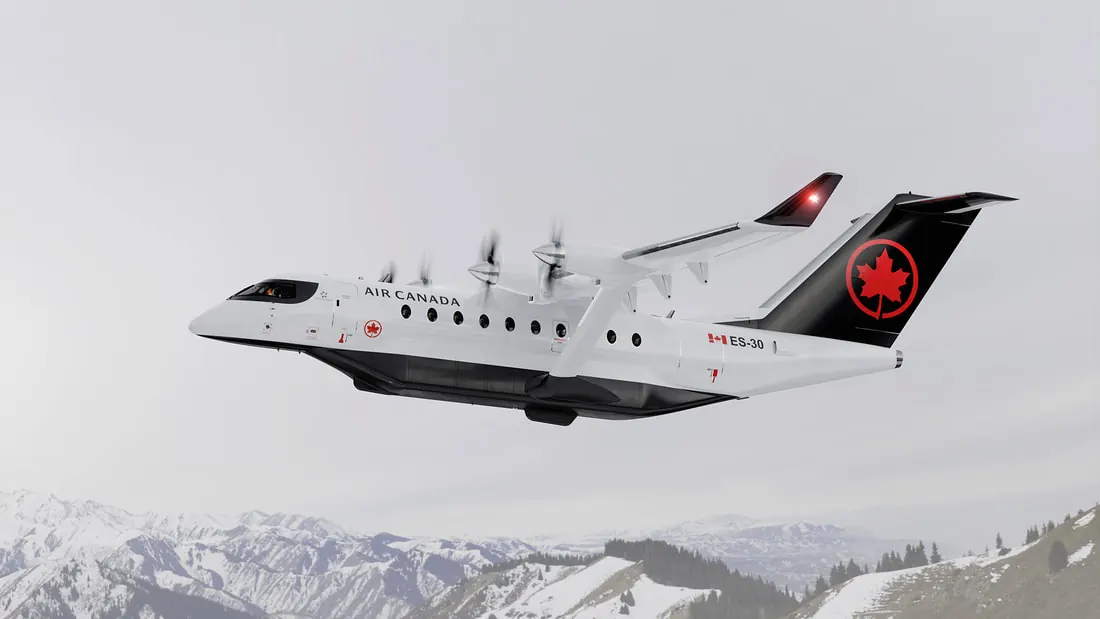
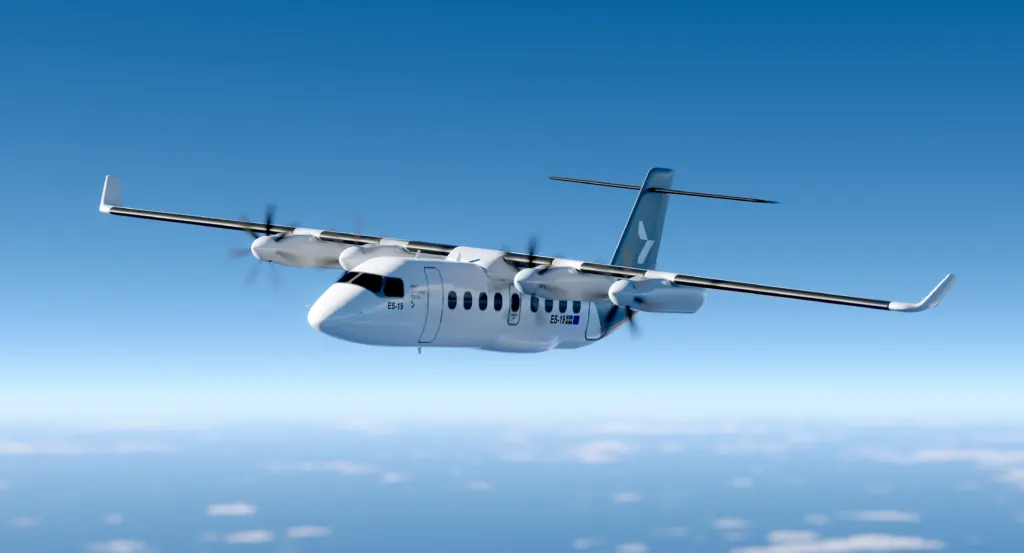
Heart Aerospace ES-19
Sustainable aviation fuels represent an important bridge technology while fully electric and hydrogen aircraft continue development. These fuels can be produced from various sources including waste materials, algae, sugar cane and captured carbon dioxide. When used in existing aircraft engines, sustainable aviation fuels can reduce carbon emissions by up to 80% compared to conventional jet fuel. Airlines and aircraft manufacturers are working together to increase the production and availability of these fuels, as they can be used in current aircraft with minimal modifications to existing infrastructure.
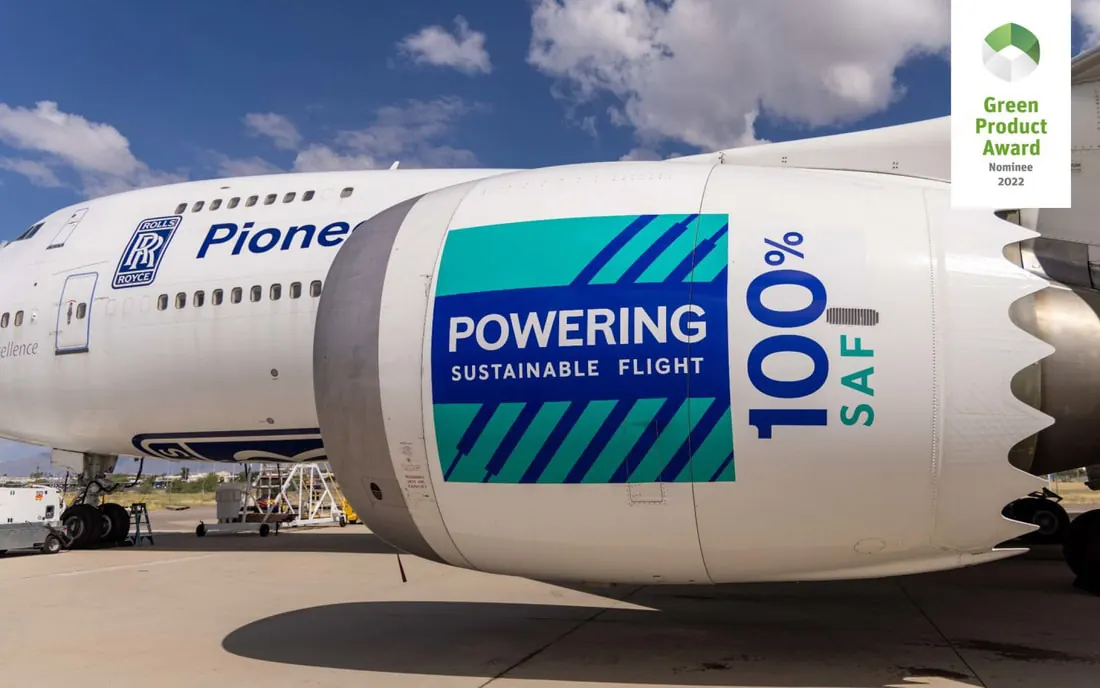
Summary
The integration of these technologies represents a starting approach to sustainable aviation. It is possible that while electric aircraft may serve short regional routes, hydrogen-powered aircraft could handle medium-haul flights, and sustainable aviation fuels will continue supporting long-haul international travel.
The aviation industry recognizes that achieving significant environmental improvements requires multiple parallel approaches, each optimized for specific flight requirements and operational contexts. As these technologies mature and scale up for commercial production, they will collectively reshape how we think about air travel and its environmental impact.
The aviation industry recognizes that achieving significant environmental improvements requires multiple parallel approaches, each optimized for specific flight requirements and operational contexts. As these technologies mature and scale up for commercial production, they will collectively reshape how we think about air travel and its environmental impact.