Introduction
When observing the night sky, the stars appear as points of light on a great dome overhead. For centuries, humans have used these stars to track time, mark seasons, and find their way across oceans and deserts. To understand and predict the movements of celestial objects, astronomers have developed models and tools for mapping the sky. This chapter introduces the celestial sphere model and the key reference lines used to locate objects in the sky. It then discusses the recognition of star patterns and constellations, and concludes with basic techniques for using stars to determine direction and describe the position of objects in the night sky.

Polaris (The North Star) appears stationary as the rest of the stars revolve around it. It is because The position of Polaris roughly aligns with Earth's rotational axis. Image - matt-molloy

The night sky at the equator clearly shows the counter clockwise and clockwise motion of stars at the North and South Poles, while stars at the equators moves from East to North.
The Celestial Sphere Model
To visualize these concepts, astronomers use the celestial sphere model. The celestial sphere is an imaginary sphere of arbitrarily large radius, concentric with the Earth, onto which all celestial objects can be projected.
This model is a conceptual tool used in astronomy to specify the position of an object in the sky without considering its distance. For observational purposes, it is convenient to imagine the Earth is stationary and the celestial sphere rotates from east to west.
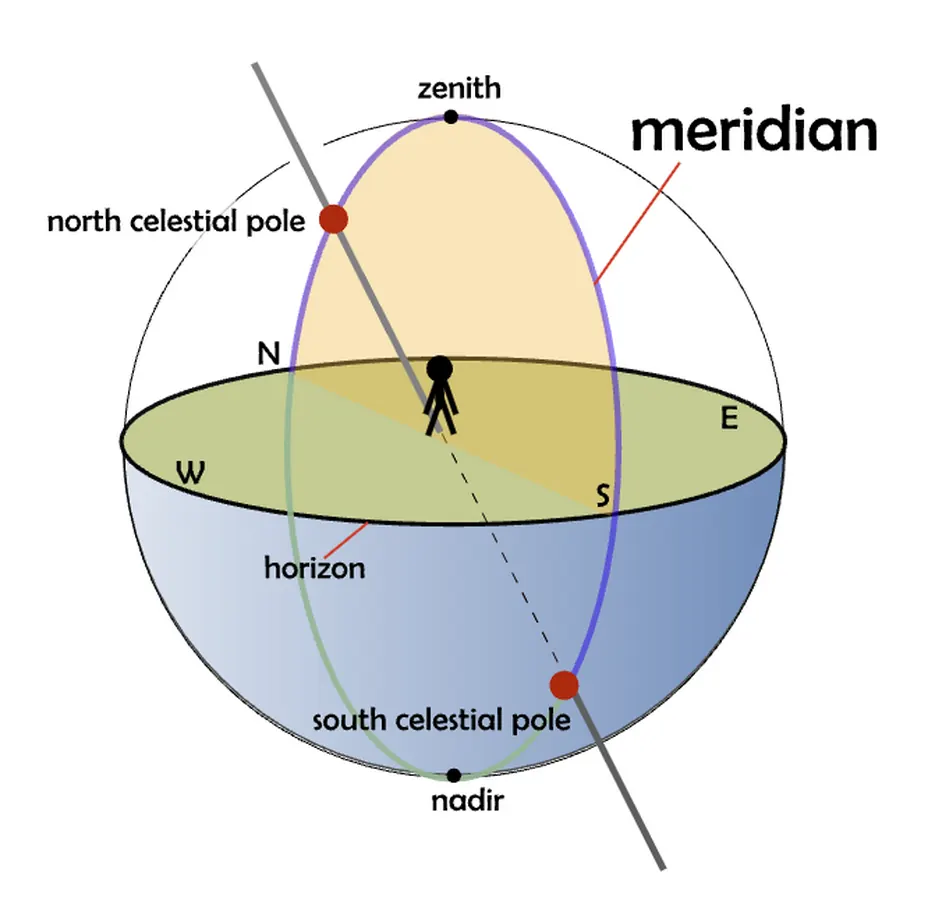
Key reference points on the celestial sphere are derived from projections of Earth-based references. These include the celestial equator, the north and south celestial poles, and the ecliptic. Two additional points relative to the observer are the zenith, the point directly overhead, and the nadir, the point directly beneath the observer.
This model is a conceptual tool used in astronomy to specify the position of an object in the sky without considering its distance. For observational purposes, it is convenient to imagine the Earth is stationary and the celestial sphere rotates from east to west.
Key reference points on the celestial sphere are derived from projections of Earth-based references. These include the celestial equator, the north and south celestial poles, and the ecliptic. Two additional points relative to the observer are the zenith, the point directly overhead, and the nadir, the point directly beneath the observer.
 |
 |
Several reference lines are projected onto the celestial sphere to help us define positions and measure time:
- (1) Meridian: The meridian is another great circle on the celestial sphere, but it is local to the observer. It runs from the north point on the horizon, through the zenith, to the south point on the horizon. The transit of a celestial object across the meridian marks its highest point in the sky for that day. The Sun's transit across the meridian defines local noon. This event gives us the terms A.M. (Ante Meridiem, Latin for "before midday") for the hours before the Sun crosses the meridian, and P.M. (Post Meridiem, "after midday") for the hours after.
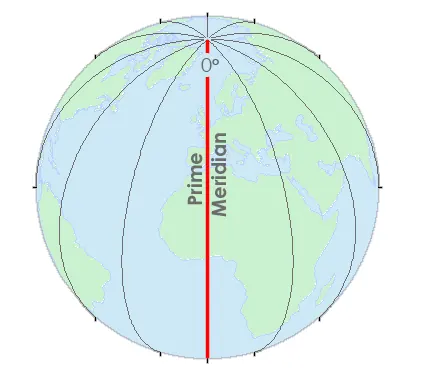
- On Earth, longitude is measured from the Prime Meridian, which is internationally defined as the meridian that passes through the Royal Observatory in Greenwich, England. While every observer has their own local celestial meridian, the Prime Meridian on Earth serves as the 0° reference for the global longitude system.
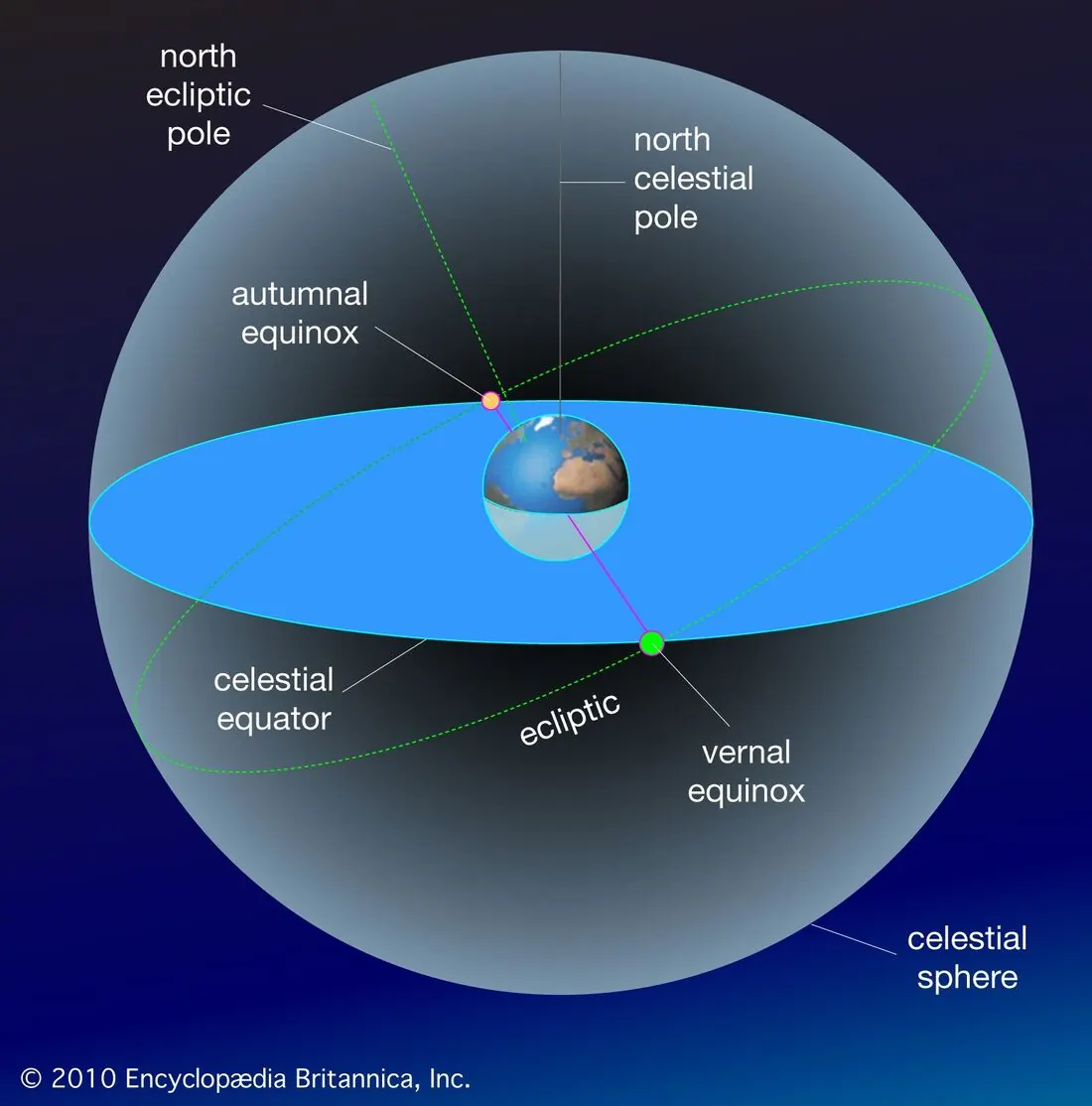
- (2) Celestial Equator: The celestial equator is the great circle on the celestial sphere in the same plane as the Earth's equator. It divides the celestial sphere into northern and southern hemispheres. From the Earth's equator, the celestial equator is a semicircle passing directly overhead through the zenith.
  |
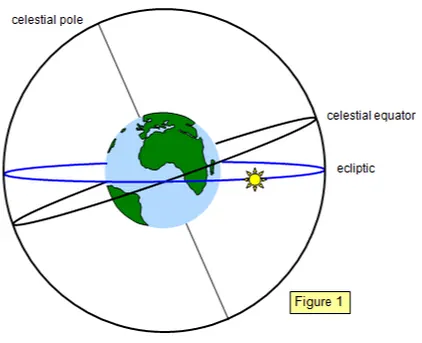 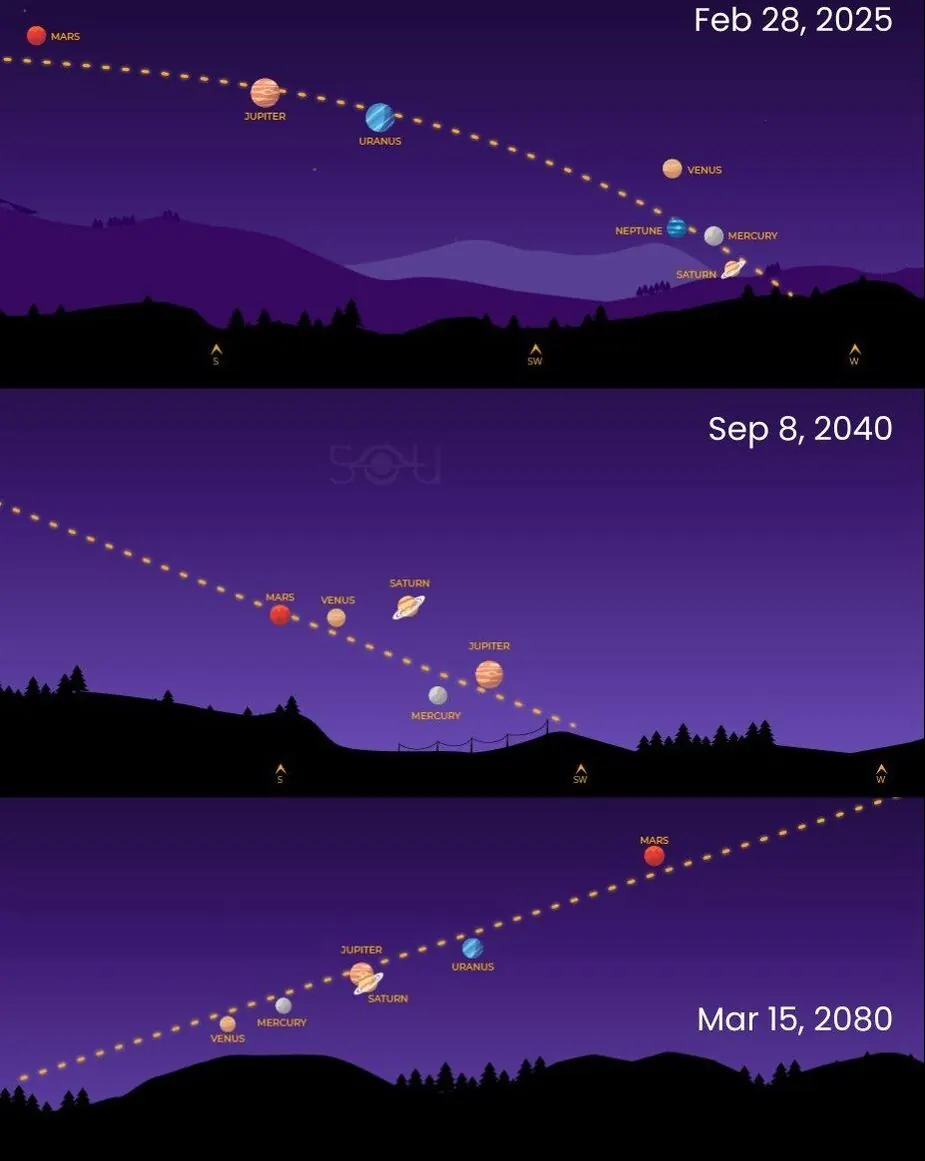 |
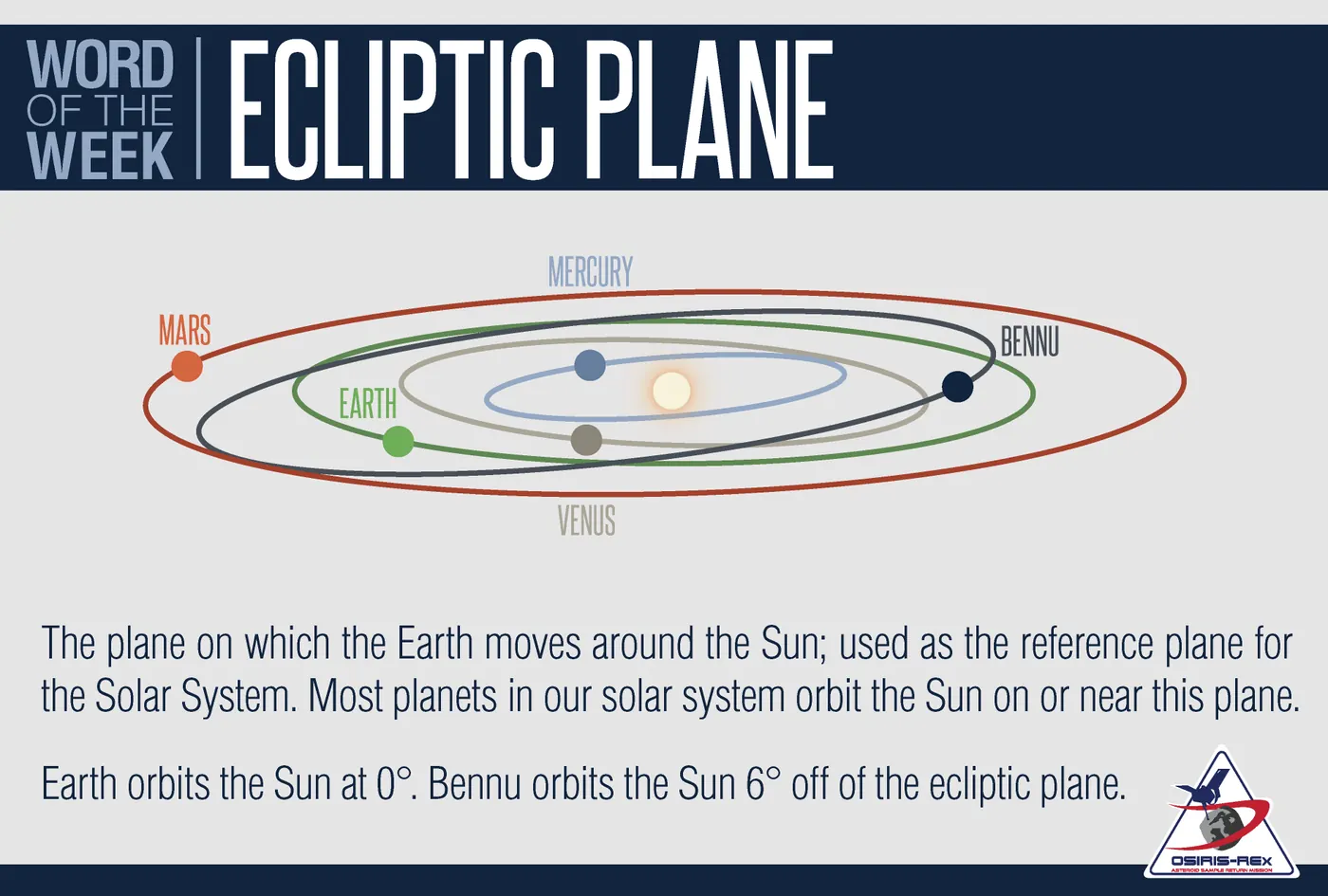
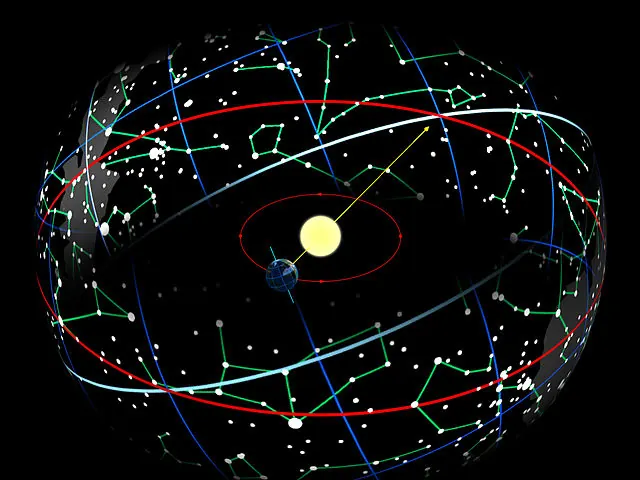
- Ecliptic: The ecliptic is the great circle on the celestial sphere that represents the apparent path of the Sun throughout the year as seen from Earth. The planets and the Moon also appear to travel near this path. Due to Earth's axial tilt, the plane of the ecliptic is inclined to the plane of the celestial equator by about 23.4 degrees, which is a result of the Earth's axial tilt. The two points where the ecliptic and the celestial equator intersect are the Vernal and Autumnal Equinoxes.
Recognising Constellations
Constellations are groups of stars that form recognisable patterns in the sky. These patterns are human inventions, created over centuries to organise the night sky and pass down cultural stories. The International Astronomical Union officially recognises 88 constellations, covering the entire sky. While the stars in a constellation appear close together from our perspective on Earth, they are often vast distances apart and not physically related.
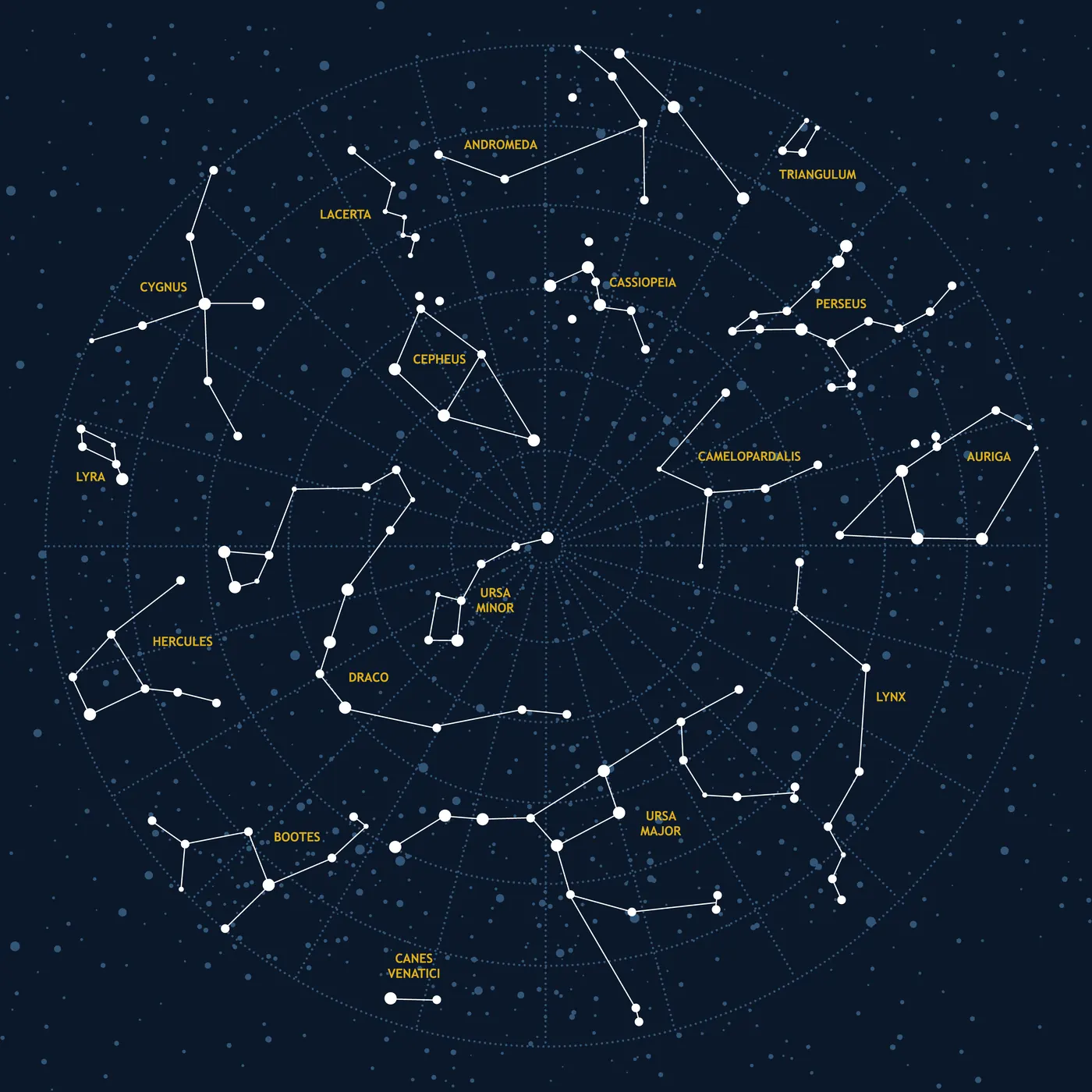
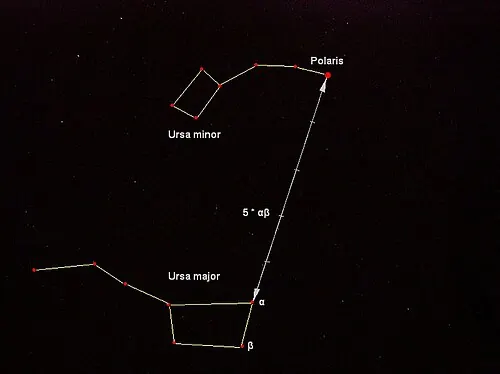
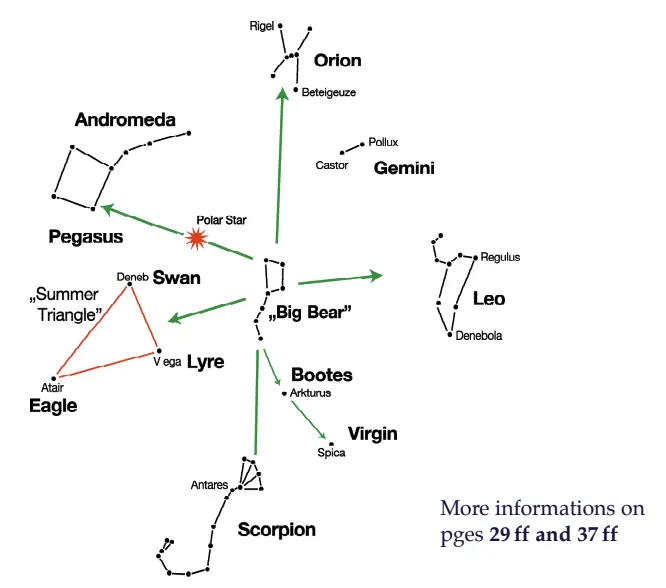
Asterisms are informal, recognizable star patterns or shapes that exist within one constellation. The most prominent of these is Ursa Major, the Great Bear, which contains the familiar asterism known as the Big Dipper. This group of seven bright stars is one of the easiest patterns to identify. The two outer stars of the Dipper's bowl, Dubhe and Merak, point directly to Polaris, the North Star, which is the brightest star in Ursa Minor, the Little Bear. Ursa Minor also forms its own asterism, the Little Dipper, with Polaris at the end of its handle.
 |
 Credit: Akira Fujii
|
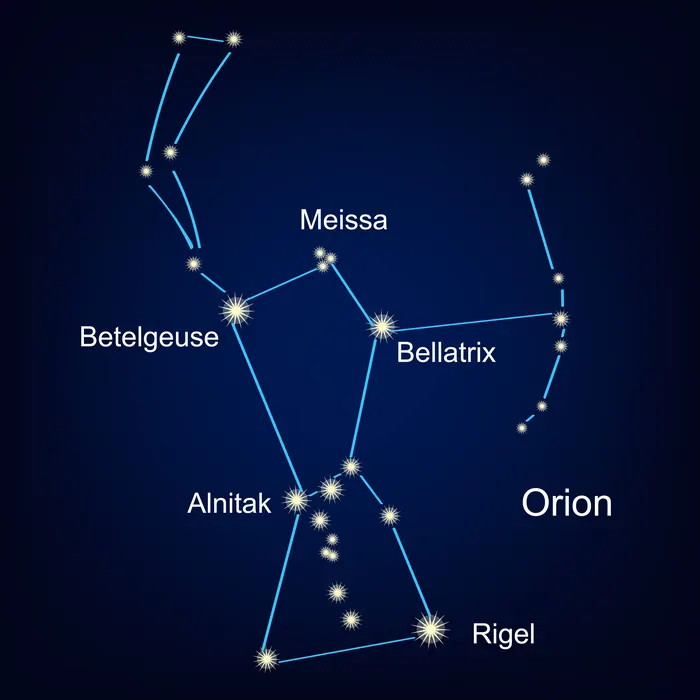
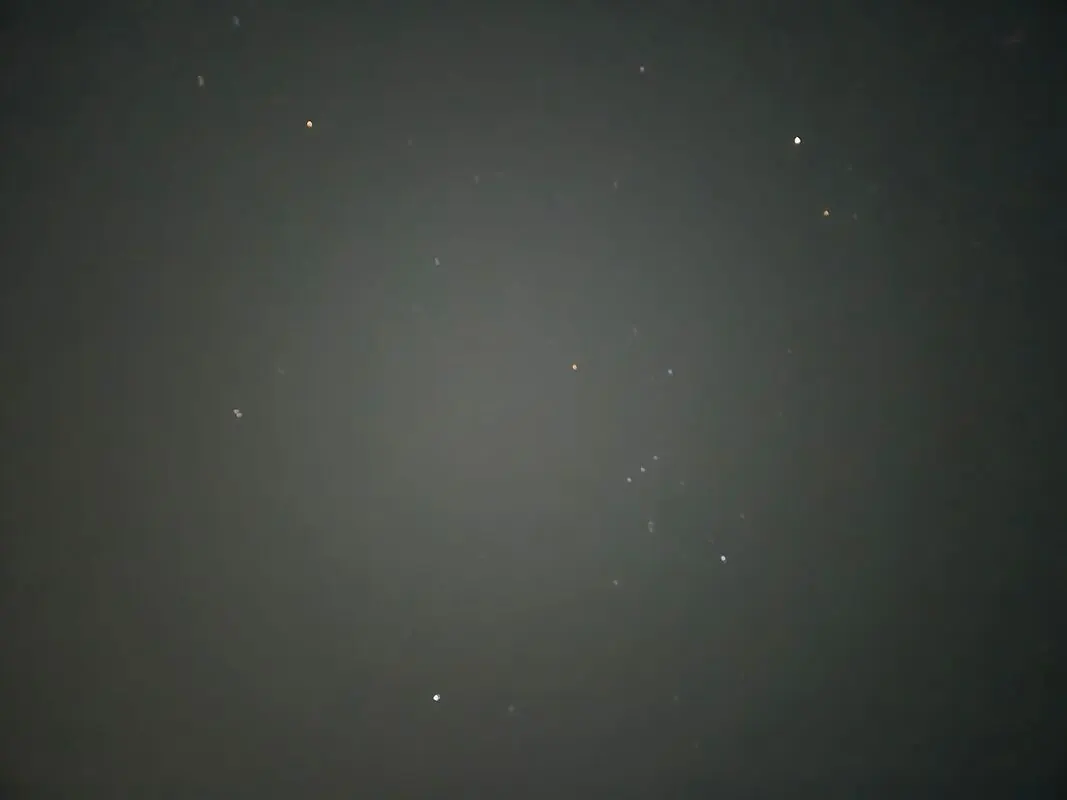
Other notable northern constellations are seasonal. Orion, the Hunter, is most prominent in the winter sky and is one of the most recognisable constellations worldwide. Its shape is defined by four bright stars forming a rectangle, with three stars in a straight line marking Orion's belt. Below the belt hangs a fainter line of stars representing his sword, which contains the Orion Nebula, a region of active star formation visible with binoculars or a small telescope. Near Orion, following the line of his belt in one direction, leads to Sirius, the brightest star in the night sky, which belongs to the constellation Canis Major, the Great Dog.
 |
 1st March, 2025 ELCHK Lutheran Academy - Rebecca Yip
|
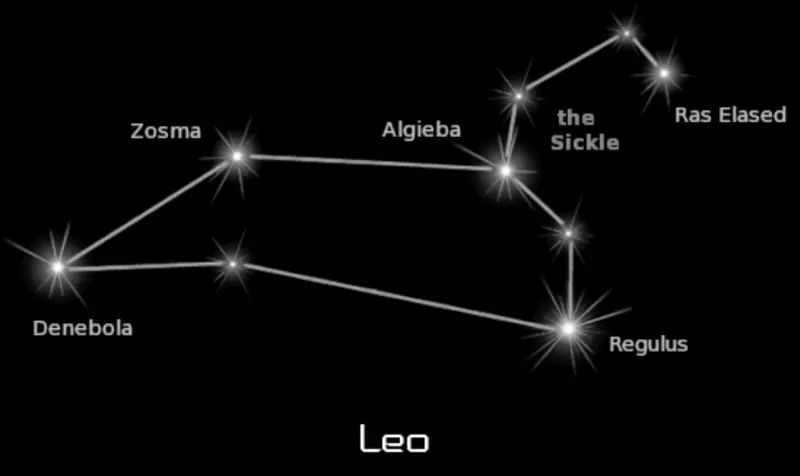
Leo, the Lion, is a spring constellation in the northern hemisphere. Its shape resembles a crouching lion, with a distinctive curved line of stars forming the lion's mane and a triangle of stars at the rear. Regulus, one of the brightest stars in the night sky, marks the lion's heart.
 |
 Credit: A. Fujii
|
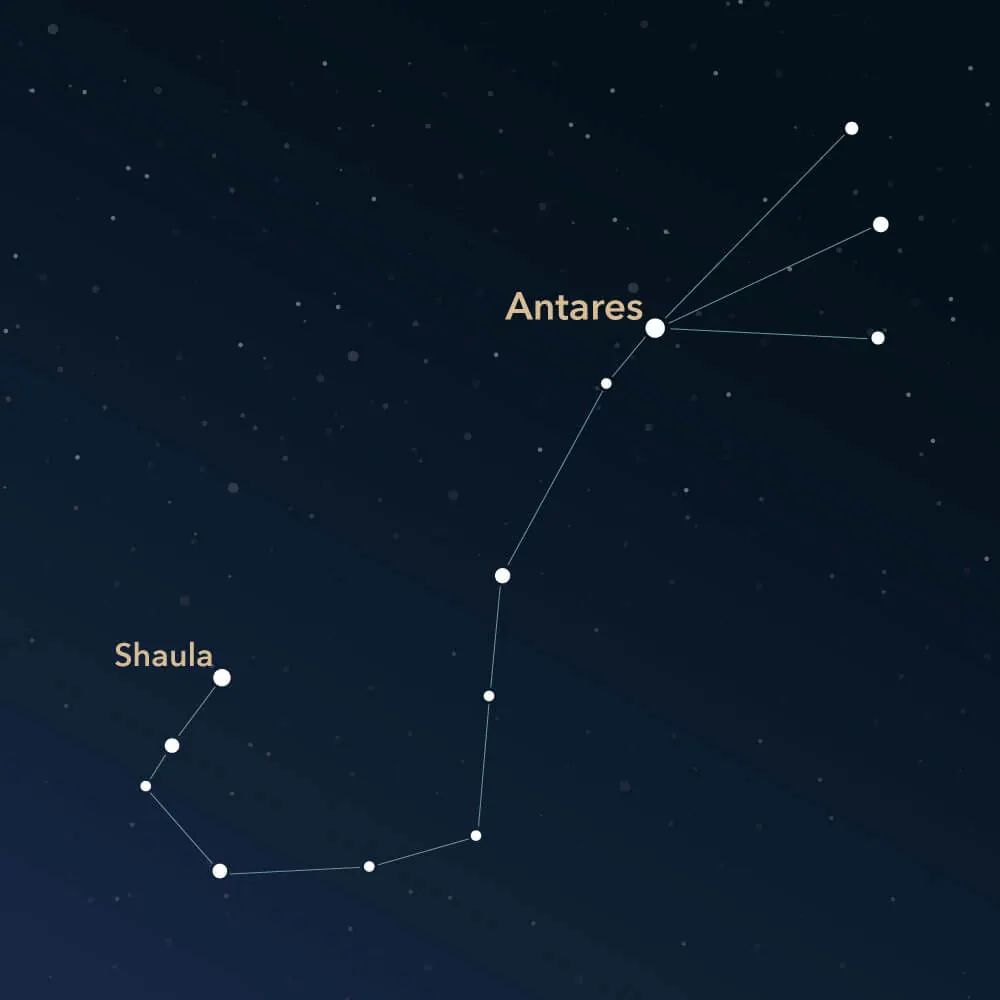
Scorpius, the Scorpion, is a prominent summer constellation in the southern sky for northern observers, but it is best seen from the southern hemisphere. Its curved chain of stars traces the shape of a scorpion, with the bright red star Antares at its heart, named for its rivalry with the planet Mars.
 |
 science.nasa.gov
|
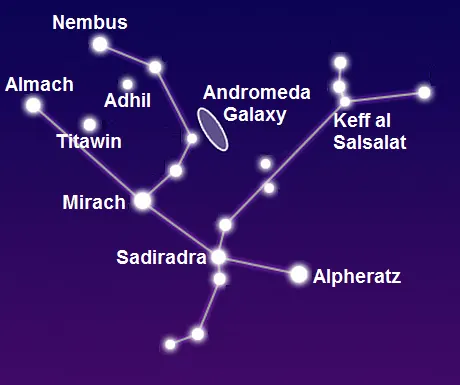
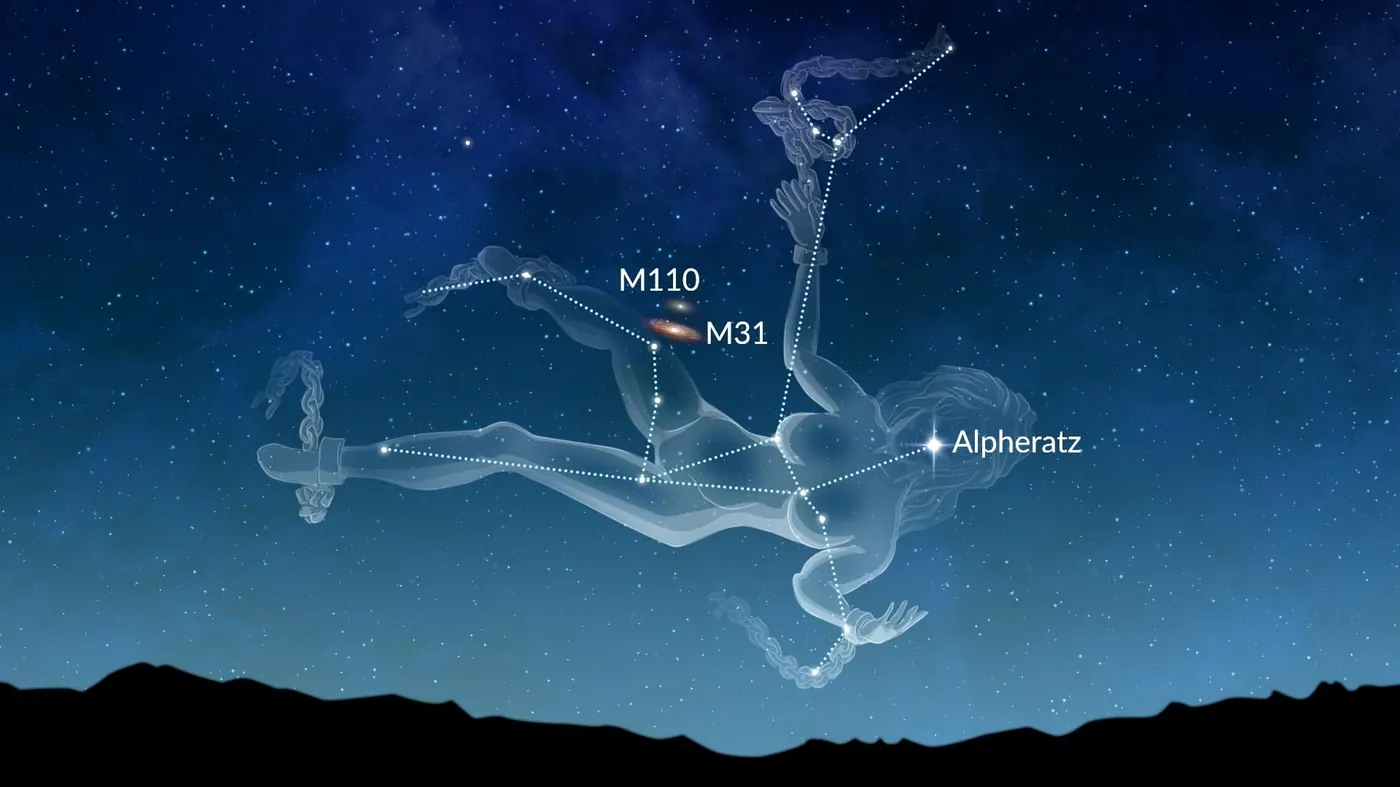
Andromeda is a northern constellation named after a princess from Greek mythology. Its significance lies not in its brightness but in what it contains. Under dark skies, a faint smudge of light is visible to the naked eye near the constellation. This is the Andromeda Galaxy, the closest large galaxy to our own Milky Way and the most distant object visible without a telescope.
 |
 starwalk.space
|
An interesting pattern emerges when comparing the names of constellations in the northern and southern hemispheres. Northern constellations, largely inherited from ancient Greek and Roman traditions, are frequently named after figures from mythology, such as heroes, maidens, and mythical beasts. This reflects the cultures of the civilisations that first documented them and passed down their stories through generations.
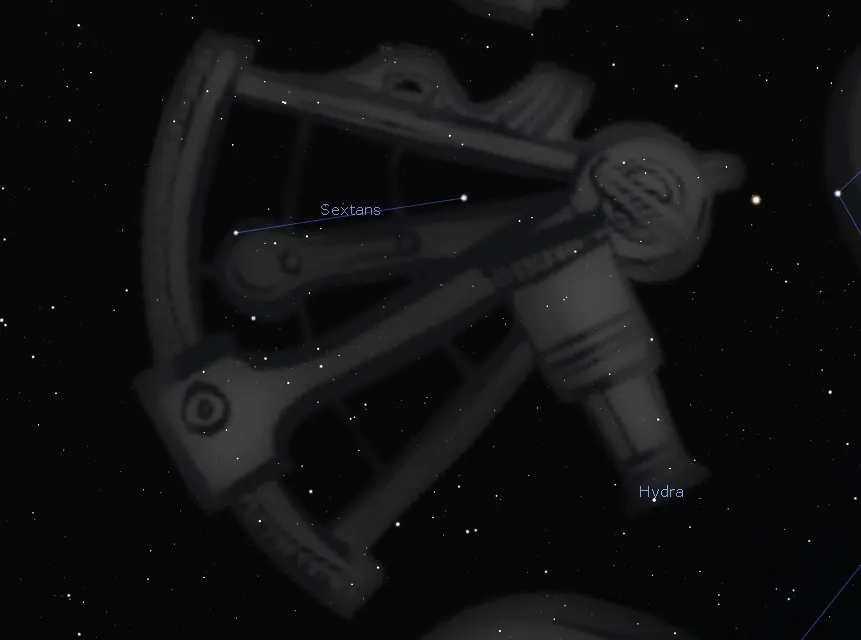
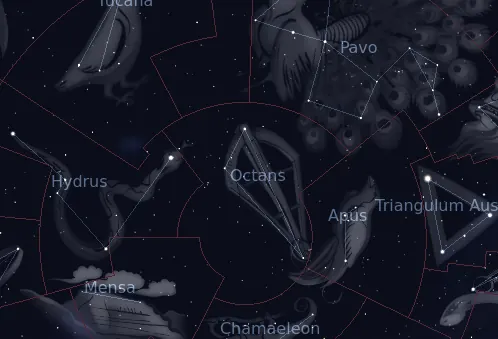
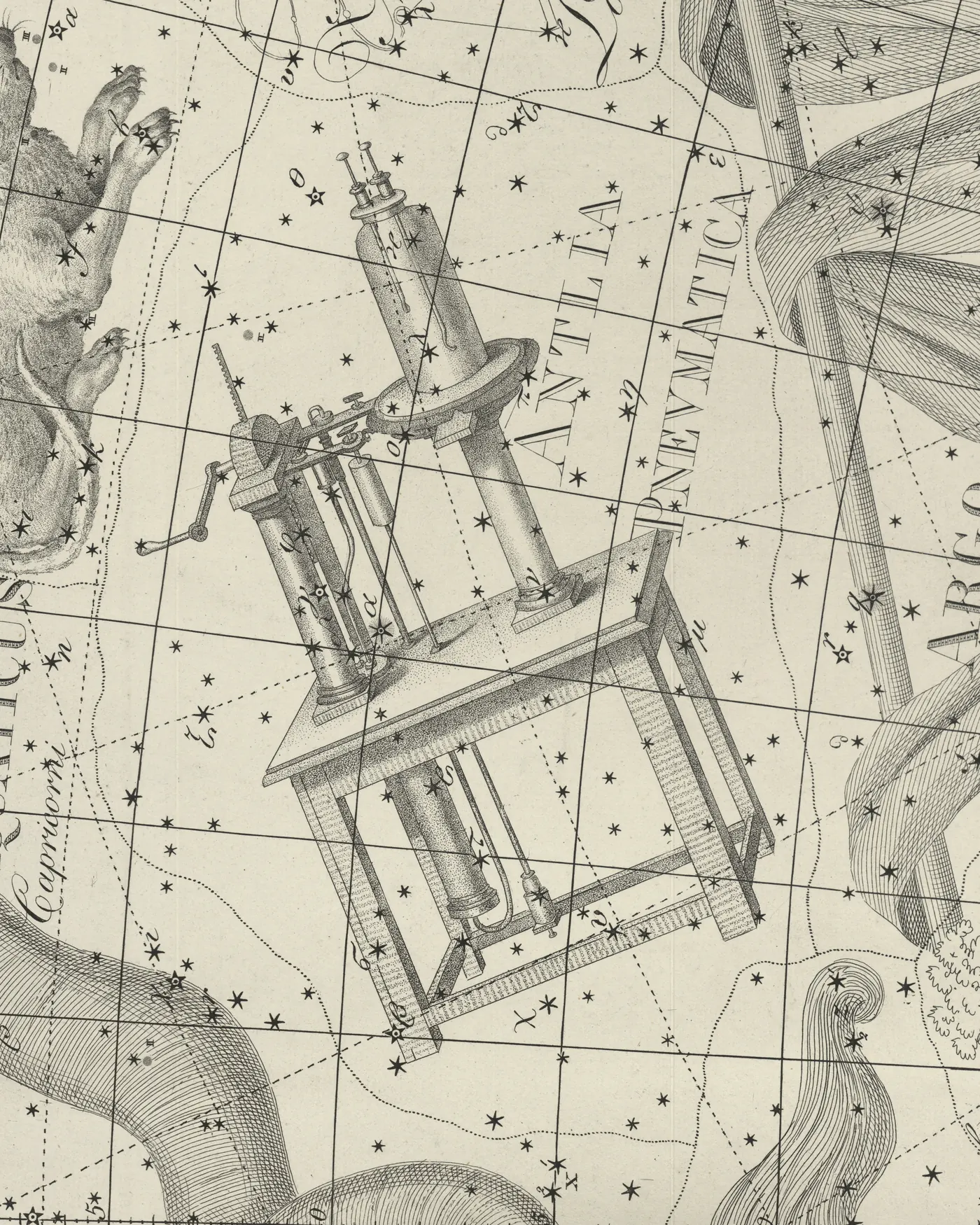
In contrast, many constellations in the southern hemisphere were named much later, during the Age of Exploration in the 17th and 18th centuries. When European explorers sailed into southern waters, they encountered skies unknown to ancient astronomers. Navigators and astronomers who charted these new stars often named them after the tools and instruments of their time. Constellations such as Telescopium (the Telescope), Microscopium (the Microscope), Octans (the Octant), and Antlia (the Air Pump) reflect this scientific era of discovery. These names represent a different kind of storytelling, one that honours the technology and spirit of inquiry that allowed humans to explore and map the entire globe.
In contrast, many constellations in the southern hemisphere were named much later, during the Age of Exploration in the 17th and 18th centuries. When European explorers sailed into southern waters, they encountered skies unknown to ancient astronomers. Navigators and astronomers who charted these new stars often named them after the tools and instruments of their time. Constellations such as Telescopium (the Telescope), Microscopium (the Microscope), Octans (the Octant), and Antlia (the Air Pump) reflect this scientific era of discovery. These names represent a different kind of storytelling, one that honours the technology and spirit of inquiry that allowed humans to explore and map the entire globe.
 |
 |
 |
Astronomy Brochure
Constellations Along the Ecliptic
constellation-guide.com
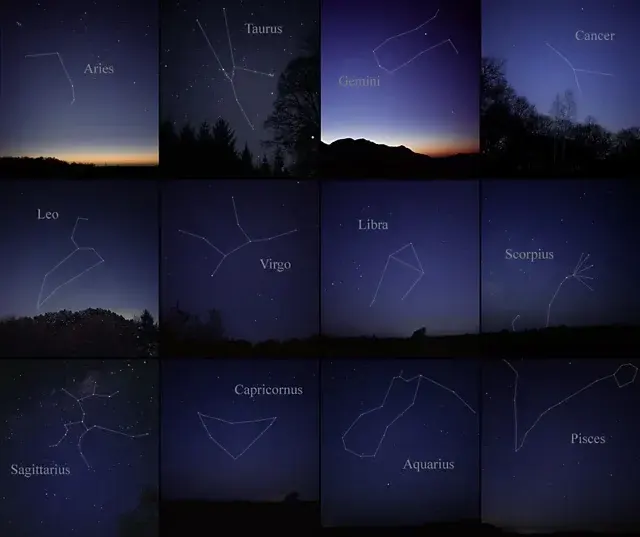
As the Sun travels along its apparent path through the sky each year, it passes through a specific band of constellations. This path, the ecliptic, is the great circle on the celestial sphere that represents the Sun's yearly motion as seen from Earth. The constellations that lie along this path are known as the constellations of the zodiac.
The word zodiac comes from a Greek word meaning "circle of animals," and indeed many of these constellations are named after living creatures. There are twelve traditional zodiac constellations: Aries (the Ram), Taurus (the Bull), Gemini (the Twins), Cancer (the Crab), Leo (the Lion), Virgo (the Virgin), Libra (the Balance), Scorpius (the Scorpion), Sagittarius (the Archer), Capricornus (the Sea Goat), Aquarius (the Water Bearer), and Pisces (the Fishes). These constellations have been recognised for thousands of years, with origins in Babylonian astronomy later adopted and adapted by the Greeks and Romans.
The word zodiac comes from a Greek word meaning "circle of animals," and indeed many of these constellations are named after living creatures. There are twelve traditional zodiac constellations: Aries (the Ram), Taurus (the Bull), Gemini (the Twins), Cancer (the Crab), Leo (the Lion), Virgo (the Virgin), Libra (the Balance), Scorpius (the Scorpion), Sagittarius (the Archer), Capricornus (the Sea Goat), Aquarius (the Water Bearer), and Pisces (the Fishes). These constellations have been recognised for thousands of years, with origins in Babylonian astronomy later adopted and adapted by the Greeks and Romans.
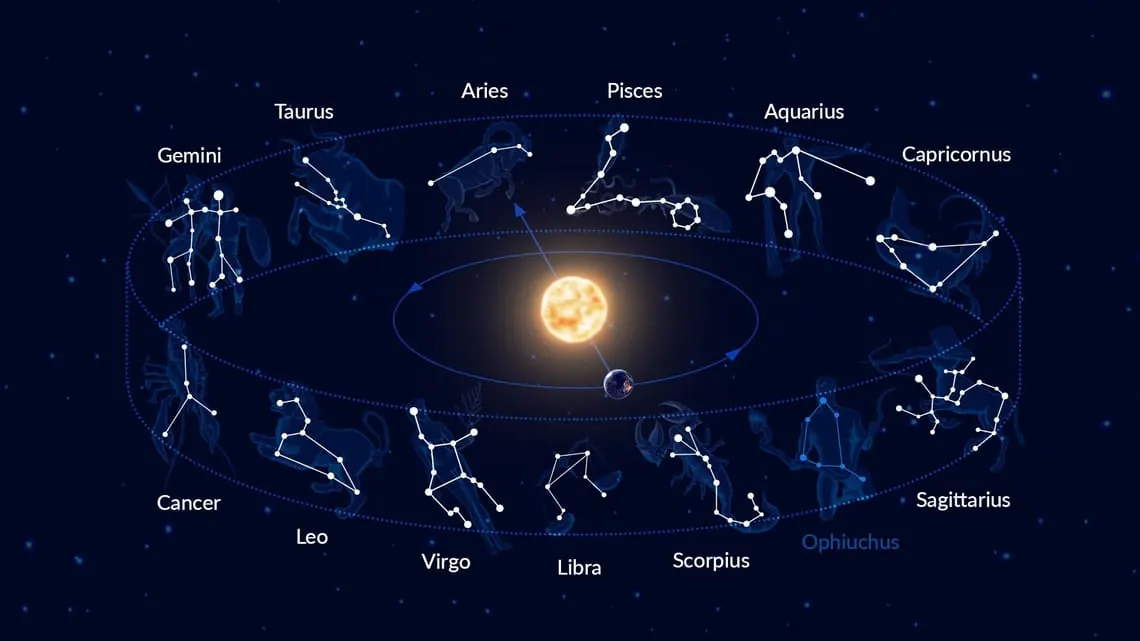
Because the Moon and planets also orbit the Sun in roughly the same plane as Earth, they too appear to move along the ecliptic. As a result, the Moon and planets are always found within or very near one of the zodiac constellations on any given night. This makes the zodiac a useful region of the sky to become familiar with for anyone interested in observing not only stars but also the changing positions of the Moon and planets over time.
Several of these constellations contain notable stars and deep-sky objects. Taurus, the Bull, is home to the Pleiades star cluster, also known as the Seven Sisters, a tight group of young blue stars visible to the naked eye. Taurus also contains the Hyades star cluster, which forms the V-shaped face of the bull, and the bright orange star Aldebaran, which marks the bull's eye. Leo, the Lion, with its distinctive shape and bright star Regulus, is prominent in the spring sky. Scorpius, the Scorpion, visible in summer, contains the bright red star Antares and is one of the few zodiac constellations that actually resembles its namesake. Sagittarius, the Archer, is often depicted as a centaur aiming a bow, but its stars form a shape that looks more like a teapot. The direction of Sagittarius points toward the centre of our Milky Way galaxy, making this region rich in star clusters and nebulae.
While the zodiac constellations have their origins in ancient mythology, their practical value for observers remains. By knowing which zodiac constellation the Sun occupies at a given time of year, one can also determine which constellations will be visible at night. When the Sun is in Taurus, for example, Taurus is in the daytime sky and cannot be seen; instead, the constellations opposite Taurus on the ecliptic, such as Scorpius, will be visible at night. This relationship between the Sun's position and the night sky is a basic principle of celestial observation.
Several of these constellations contain notable stars and deep-sky objects. Taurus, the Bull, is home to the Pleiades star cluster, also known as the Seven Sisters, a tight group of young blue stars visible to the naked eye. Taurus also contains the Hyades star cluster, which forms the V-shaped face of the bull, and the bright orange star Aldebaran, which marks the bull's eye. Leo, the Lion, with its distinctive shape and bright star Regulus, is prominent in the spring sky. Scorpius, the Scorpion, visible in summer, contains the bright red star Antares and is one of the few zodiac constellations that actually resembles its namesake. Sagittarius, the Archer, is often depicted as a centaur aiming a bow, but its stars form a shape that looks more like a teapot. The direction of Sagittarius points toward the centre of our Milky Way galaxy, making this region rich in star clusters and nebulae.
While the zodiac constellations have their origins in ancient mythology, their practical value for observers remains. By knowing which zodiac constellation the Sun occupies at a given time of year, one can also determine which constellations will be visible at night. When the Sun is in Taurus, for example, Taurus is in the daytime sky and cannot be seen; instead, the constellations opposite Taurus on the ecliptic, such as Scorpius, will be visible at night. This relationship between the Sun's position and the night sky is a basic principle of celestial observation.
Activity
We will test your celestial navigation skills! In this Kahoot, you’ll see maps of the night sky and ancient star patterns. Your goal is to identify the correct constellation, recognize key 'marker' stars (like Polaris or Sirius), and match the patterns to their mythological names.