The Future of Space Vehicle Design
The field of rocketry is in a period of transition, moving beyond the initial era of single-use, chemically-propelled vehicles. The future of spaceflight is being shaped by a focus on improving efficiency, reducing costs, and increasing sustainability. This involves not only refining existing rocket technology but also exploring entirely new methods for reaching orbit and traveling through space. The evolution of space vehicle design points toward a more integrated and operational spaceflight infrastructure.
Reusable Rocket Designs
A central direction in this evolution is the development of reusable launch systems. The engineering focus is on creating vehicles that can be flown multiple times with minimal refurbishment, akin to commercial aircraft. This approach aims to reduce the cost and material waste associated with space missions. Current examples include rockets designed with first-stage boosters that can return to Earth. After separation, these boosters relight their engines in a series of maneuvers, using guidance systems and grid fins to steer themselves to a vertical landing on a ground pad or a drone ship at sea. Reusing these major components changes the economic model of launch services by spreading the hardware cost over multiple flights.
Propulsion technology is also being re-examined to enhance performance across different phases of a mission. The aerospike engine, for instance, is an example of an attempt to improve efficiency across different altitudes. Its unique shape allows the exhaust plume to adjust to changing air pressure, providing more consistent thrust from sea level to the vacuum of space.
For in-space propulsion, electric systems like ion thrusters are already in use. These engines use solar power to create and accelerate a beam of ions, generating a very small but highly efficient thrust continuously for months or years. This allows spacecraft, such as NASA's Dawn probe, to achieve high speeds over time while using a fraction of the propellant mass of a chemical rocket.
For in-space propulsion, electric systems like ion thrusters are already in use. These engines use solar power to create and accelerate a beam of ions, generating a very small but highly efficient thrust continuously for months or years. This allows spacecraft, such as NASA's Dawn probe, to achieve high speeds over time while using a fraction of the propellant mass of a chemical rocket.
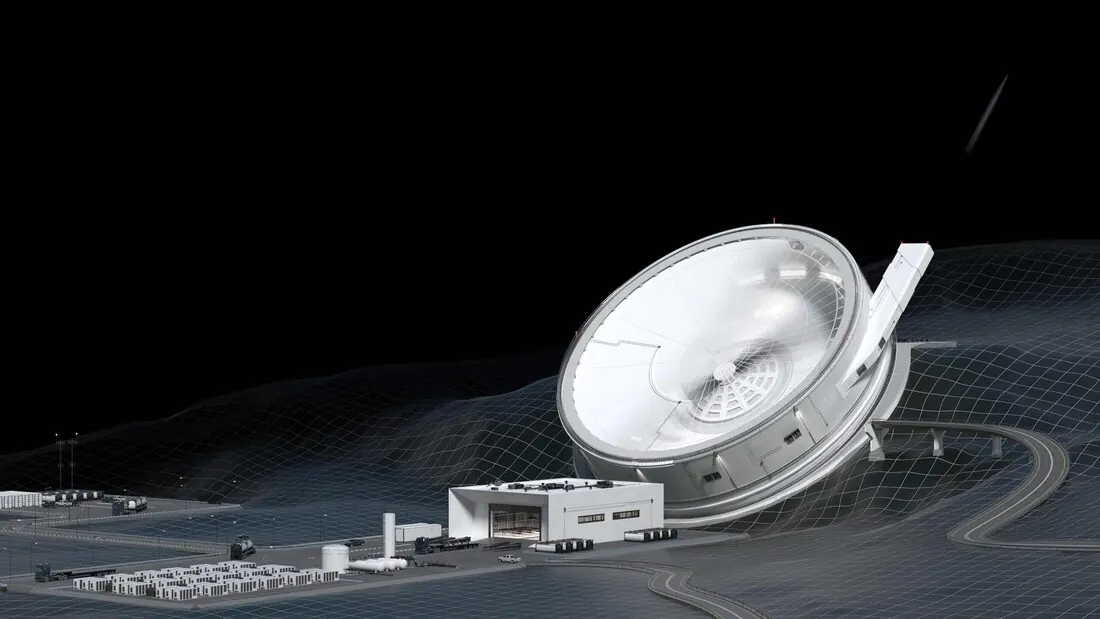
Looking beyond improvements to rocket systems themselves, engineers are investigating more fundamental changes to how we reach orbit. One approach seeks to replace the initial phase of rocket flight with a ground-based system. The SpinLaunch concept, for example, uses a large, vacuum-sealed centrifuge to rotate a launch vehicle at high speeds before releasing it into the atmosphere. This method aims to use electrical energy to achieve initial velocity, potentially reducing the rocket propellant needed. While this approach presents challenges related to the extreme forces on the payload, it represents a potential o reach orbit without the use of chemical propulsion.
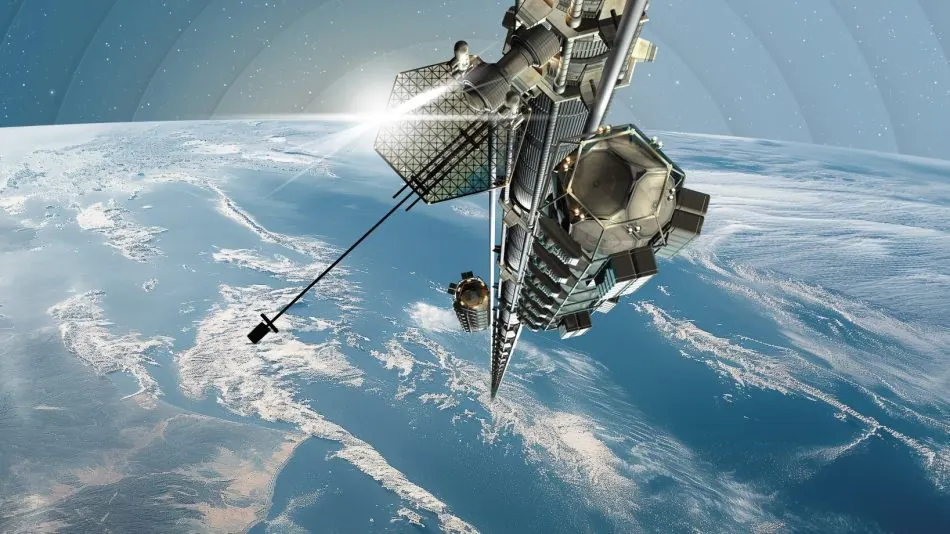
Looking even further ahead, the concept of a space elevator presents a model for transit that would depart entirely from rocket-based launch. The idea involves a cable, or tether, extending from Earth's surface to a counterweight in geostationary orbit. Climber mechanisms would travel along this tether to transport payloads. The primary advantage would be continuous access to orbit without the high-energy demands of a rocket launch. The principal challenge lies in materials science; the tether would require a material with an extraordinary strength-to-weight ratio, such as carbon nanotubes, which is not yet feasible to manufacture at the required scale.
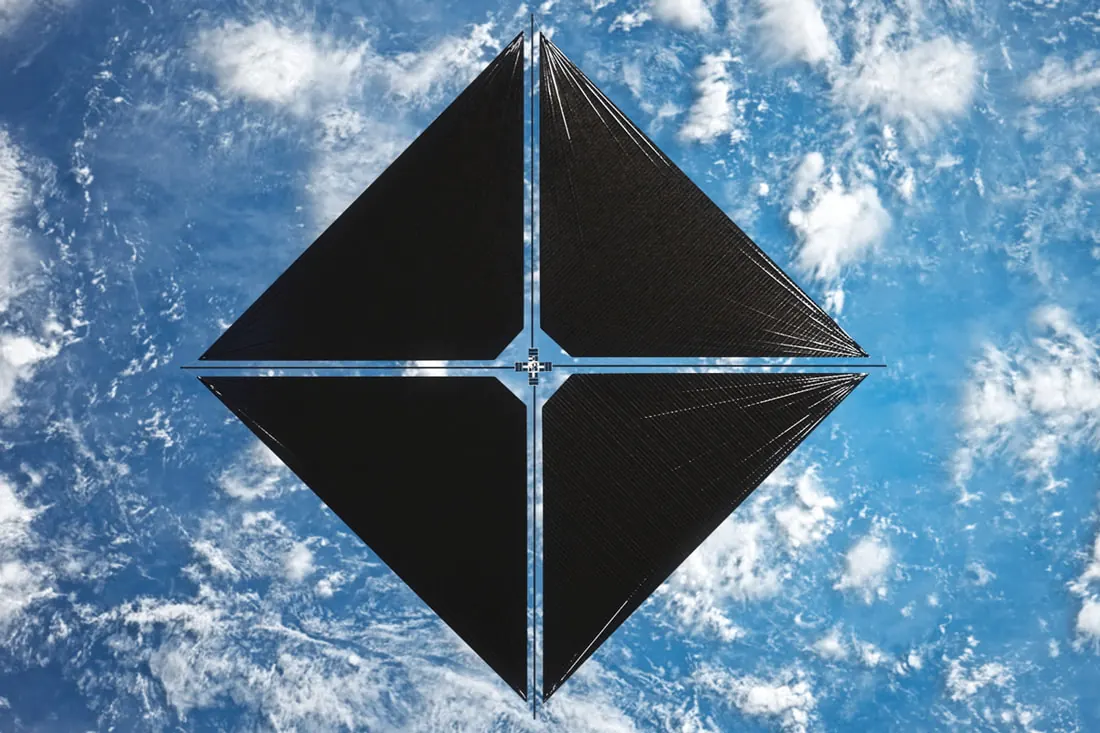
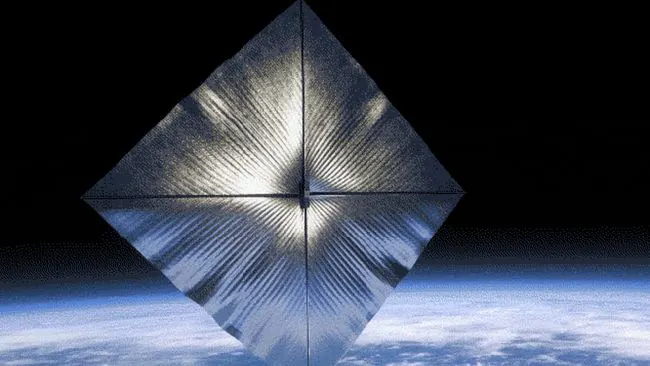
For travel beyond Earth orbit, future concepts explore methods of propulsion that do not rely on carried fuel. One such technology is the solar sail. This concept harnesses the momentum of photons from sunlight. A spacecraft with a large, thin, reflective sail experiences a continuous, gentle push from light pressure. Over time, this constant acceleration can enable high speeds without any propellant. The success of missions like Japan's Ikaros and The Planetary Society's LightSail 2 has demonstrated that controlled solar sailing is possible for missions within the inner solar system.
 |
 |
These developments, from reusable rockets and new engine types to kinetic launch and solar sails, are not isolated ideas but part of a broader, gradual shift. The future points toward a diversified portfolio of technologies, where the right system is selected for the specific mission. This integrated model, which may one day include the use of space-based resources for manufacturing propellant, aims to create a spaceflight infrastructure that is more accessible, sustainable, and capable of supporting long-term exploration and a growing space-based economy.