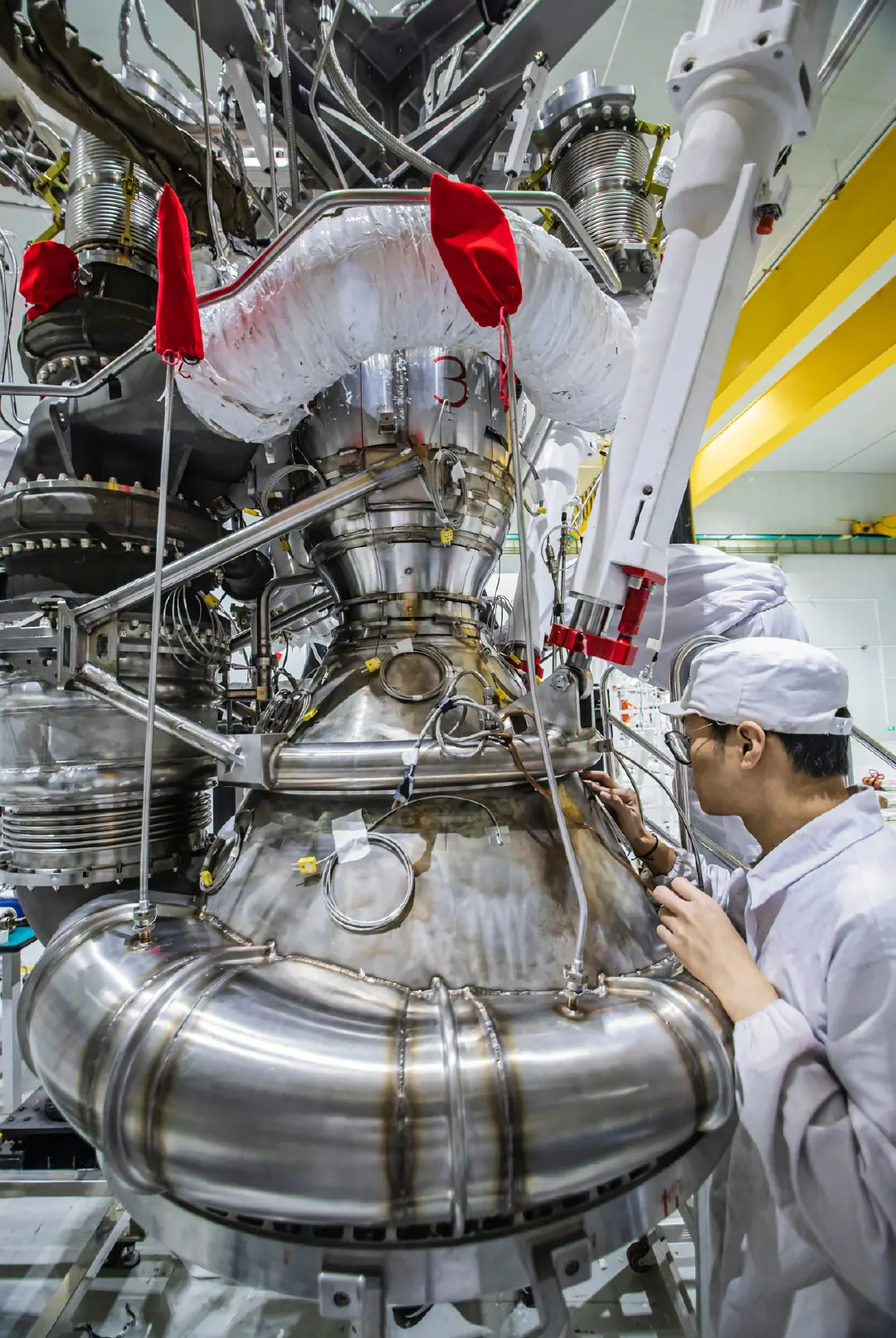
How does Rocket Fly?
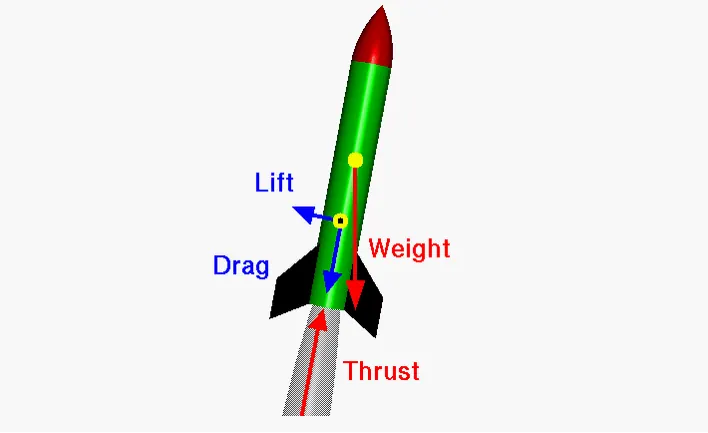
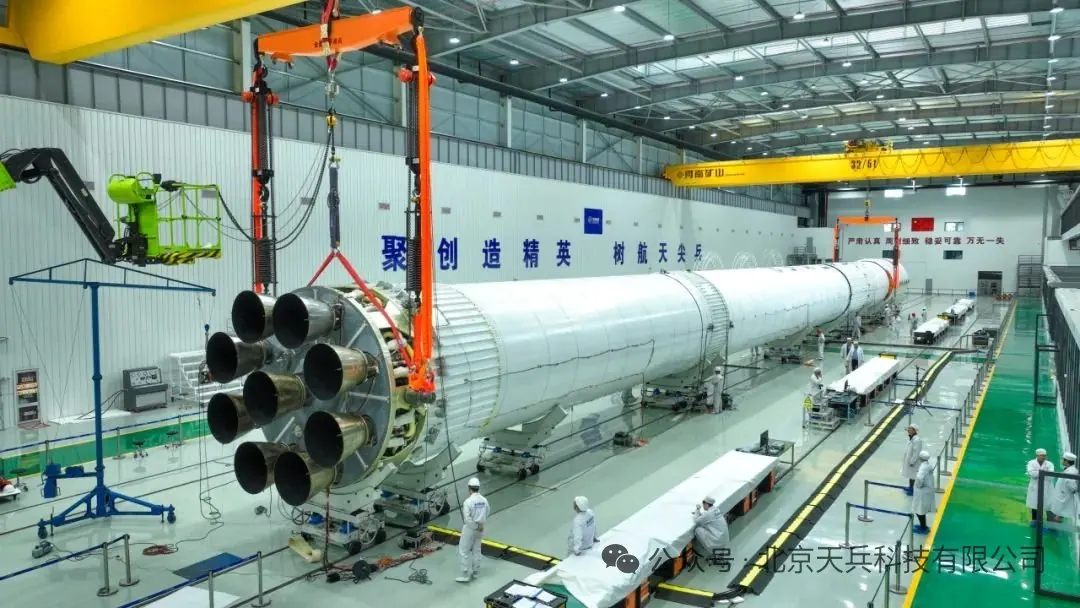
A launch vehicle's journey through the atmosphere and into space is a complex ballet, governed by the interplay of four fundamental forces. Understanding these forces—Thrust, Weight, Aerodynamic Drag, and Aerodynamic Lift—is essential to analyzing the motion and stability of any rocket.
Thrust
|
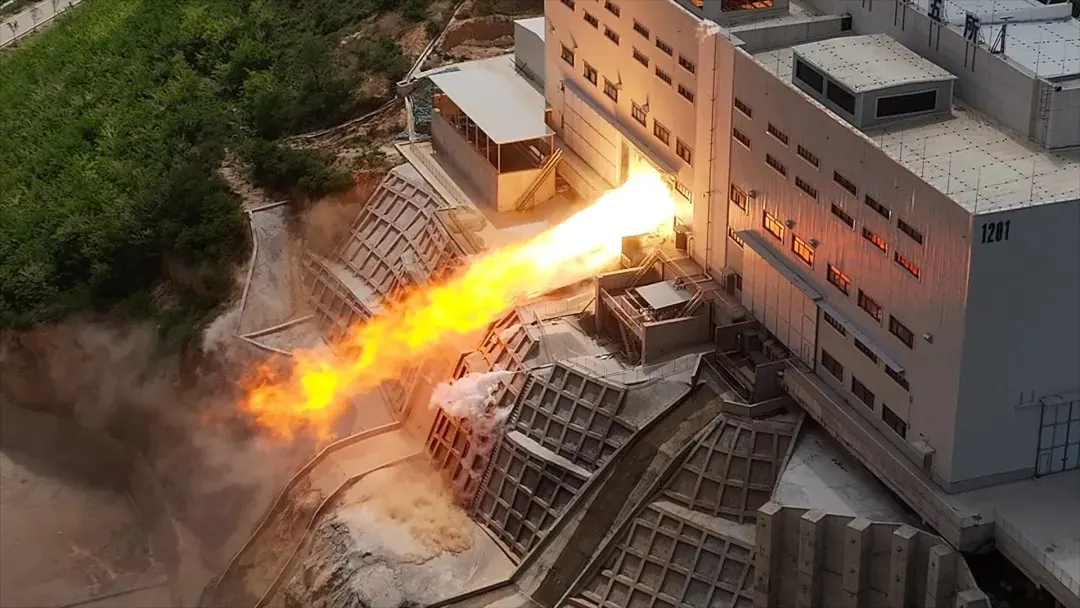
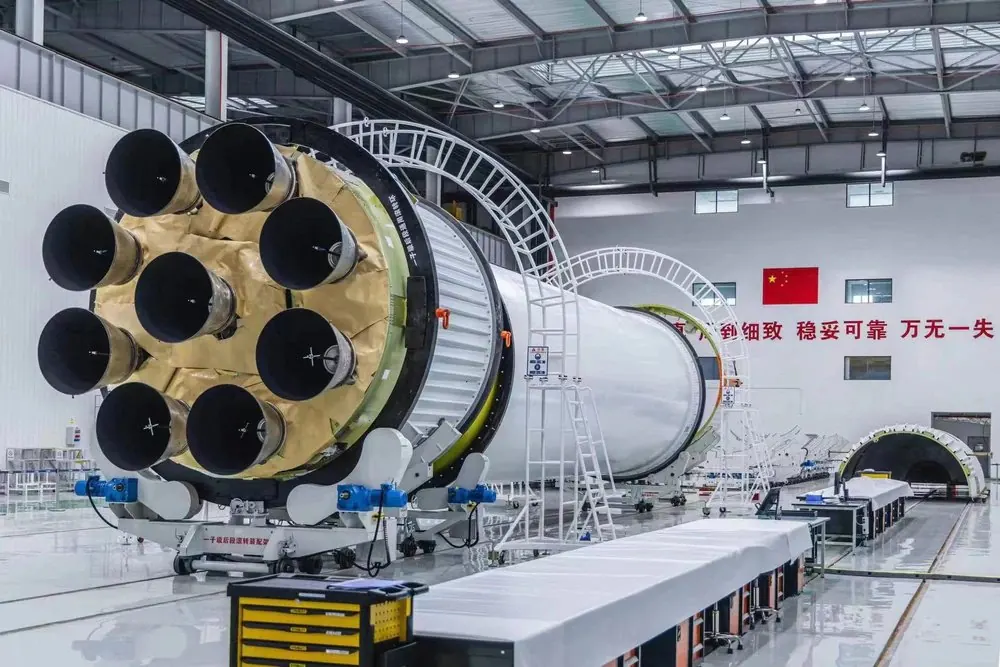
Thrust is the propulsive force generated by the rocket engine. It is the reaction force described by Newton's Third Law: the engine expels high-velocity exhaust gases backward, and the reaction force pushes the rocket forward.
For a liquid-fueled engine, thrust can be calculated approximately by the rocket equation: 
The (pₑ - pₐ) * Aₑ term becomes negligible when the rocket enters a vacuum, for simplicity, we consider that term to be 0.
 The thrust force is proportional to the mass flow rate, and the exhaust velocity of the hot gas.
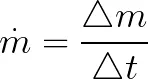 The mass flow rate is clearly defined as the change in mass, over some during of time.
|
  |
The more mass being expelled in some unit time, the greater the mass flow rate.
The greater the mass flow rate, the greater the thrust.
Weight
Weight is the force due to gravity acting on the mass of the vehicle. It pulls the anything with mass toward the center of the Earth. It can be calculated by:
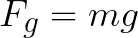
Where m is the vehicle's mass and g is the acceleration due to gravity.
The greater the mass, the greater the weight.
Aerodynamic Drag
Aerodynamic drag is the the resistance force experienced by the vehicle as it moves through the atmosphere. It is caused by skin friction (air rubbing against the hull) and pressure drag (the vehicle having to push air out of its way).
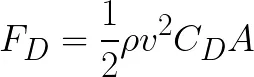
- ρ = Atmospheric density (kg/m³)
- v = Velocity of the vehicle (m/s)
- Cḍ = Coefficient of drag (dimensionless, depends on shape and air flow)
- A = Reference cross-sectional area (usually the maximum body cross-section, m²)
Drag is the adversary of the launch vehicle designer. It is highly dependent on velocity (v²) and atmospheric density (ρ). It is most significant in the lower, denser parts of the atmosphere (the first ~60-100 seconds of flight), a period known as Max-Q (maximum dynamic pressure), where structural loads are highest.
Aerodynamic Lift
Aerodynamic lift is the force generated due to a pressure difference on opposite sides of the vehicle, typically caused by its angle of attack. For most rockets, this is a much smaller force when compare to wings of an aircraft. It is often an unintended side effect rather than a primary design goal. It is always perpendicular to the direction of the velocity vector (and thus perpendicular to drag).
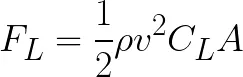
- CŁ = Coefficient of lift (dimensionless, depends on shape and angle of attack)
While small, lift must be considered for stability. A large angle of attack can generate significant lift, which can be used for minor trajectory adjustments but also introduces large bending stresses on the vehicle.
Vehicle Control: The Gimballing Engine
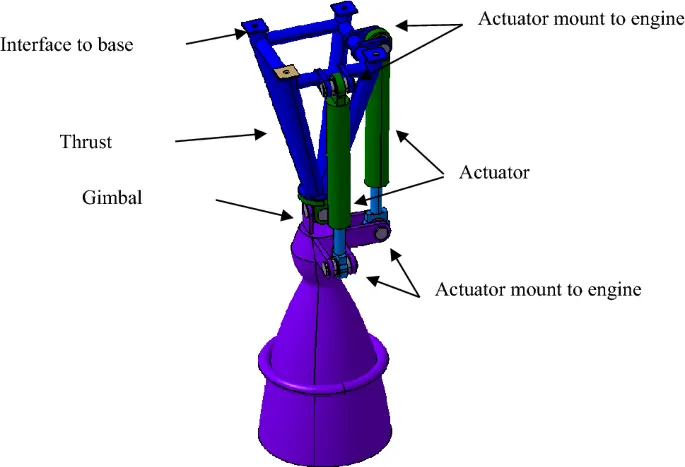
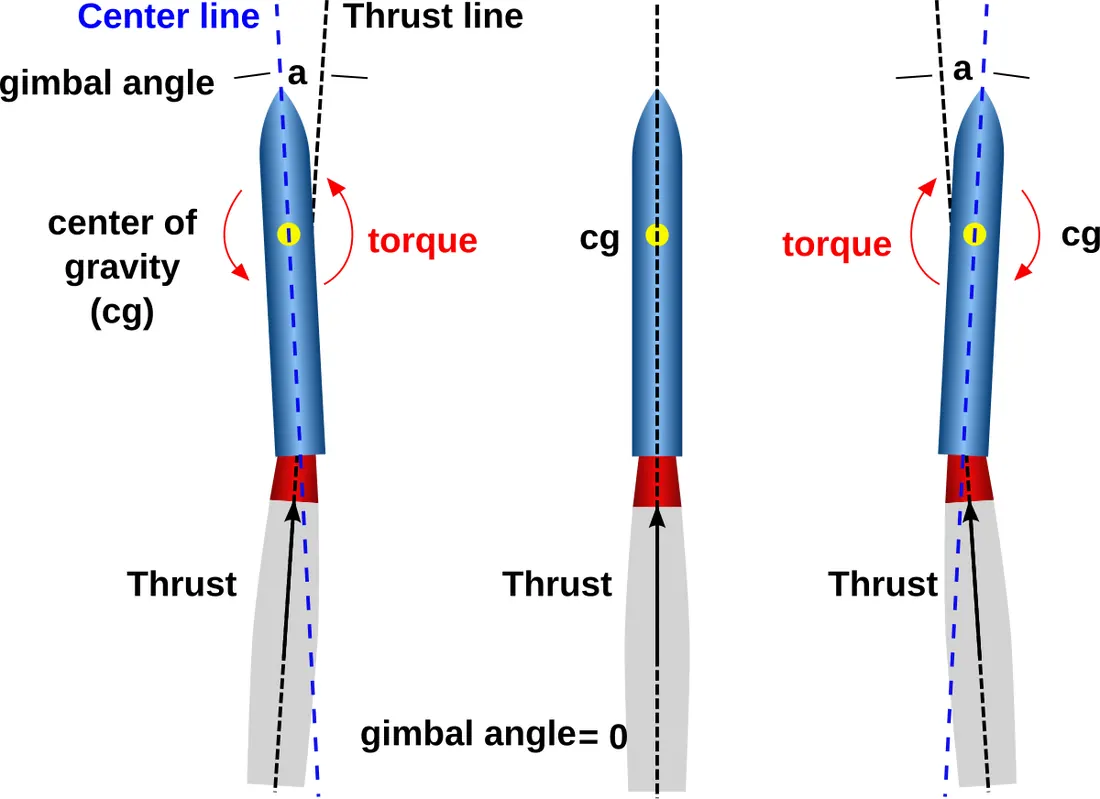
To steer the rocket and follow its planned trajectory, it must be able to change its orientation and thus the direction of the thrust vector. This is achieved by creating a torque—a rotational force that causes the rocket to turn. The primary method for generating this torque on most launch vehicles is thrust vector control (TVC) via a gimballed engine.
 |
|