Human Physiology and Survival Beyond Earth
Human spaceflight occurs within a setting that presents a series of physiological and operational challenges. The space environment lacks the protective attributes of Earth’s atmosphere and magnetic field, requiring that all necessary conditions for human life be artificially maintained. The primary hazards are interconnected and can be organized into several categories: radiation, altered gravity fields, isolation and confinement, distance from Earth, and closed environments.
1. Radiation Exposure
 |
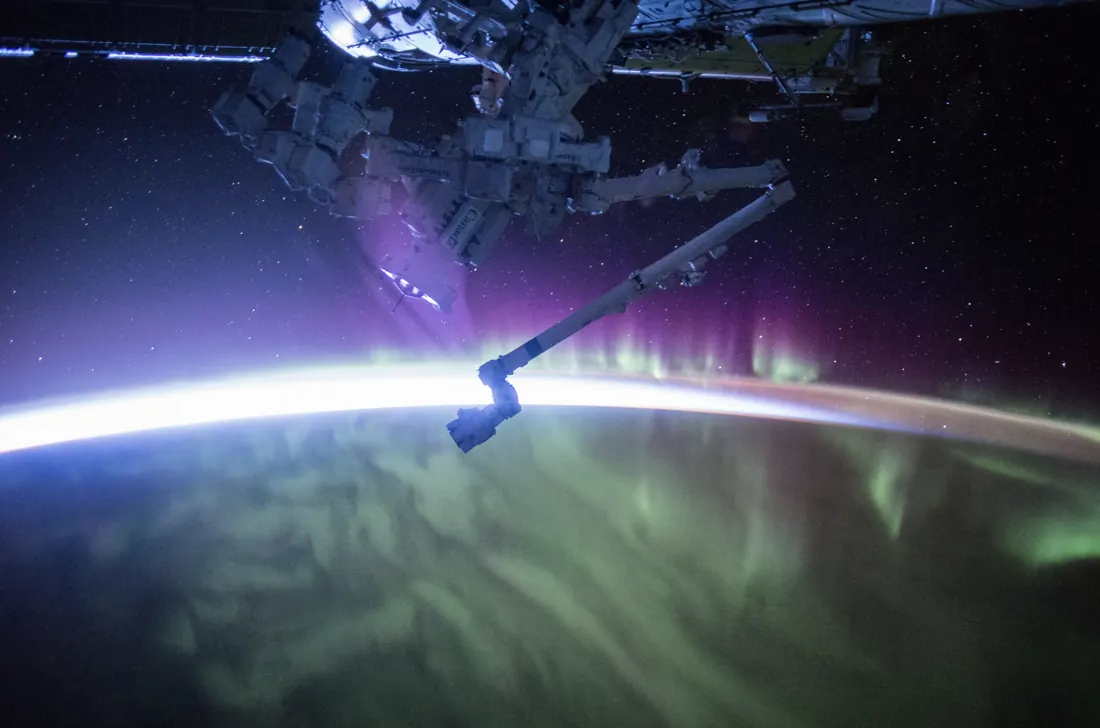 |
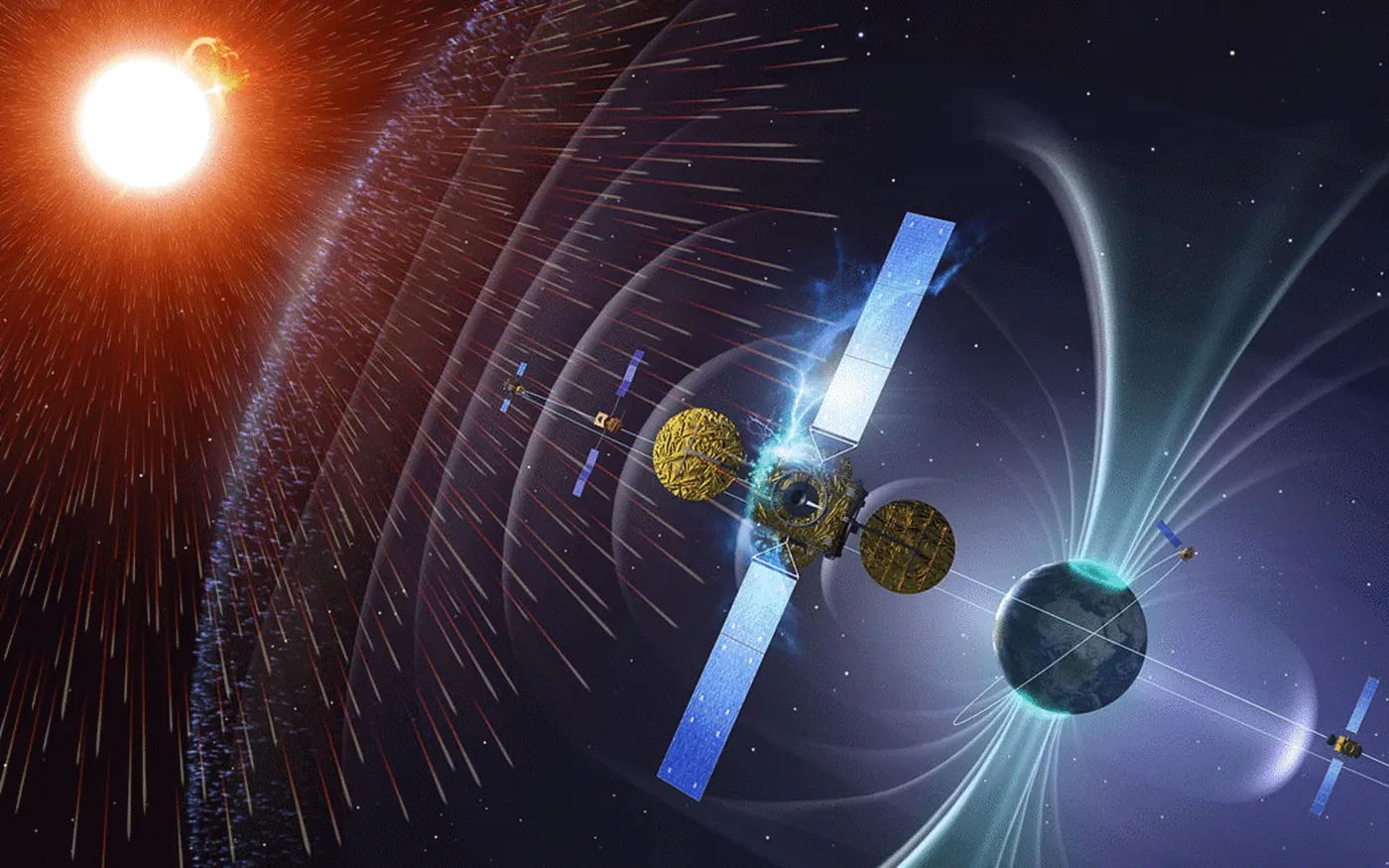
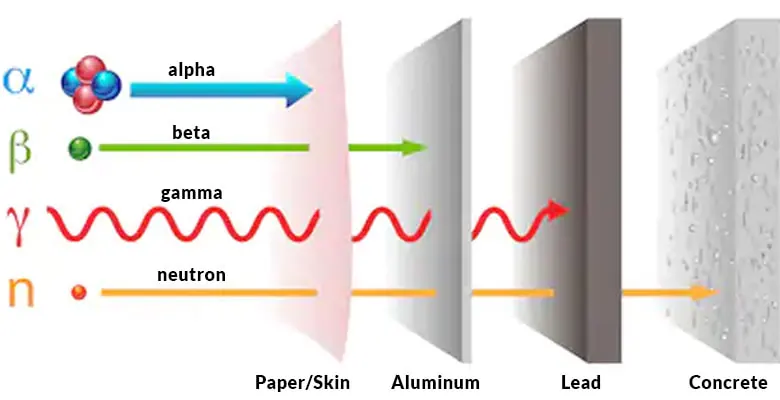
One of the most significant hazards is ionizing radiation. Outside of Earth’s magnetosphere, astronauts are exposed to galactic cosmic rays and solar particle events. This radiation consists of high-energy atomic nuclei and protons that can penetrate spacecraft and human tissue.
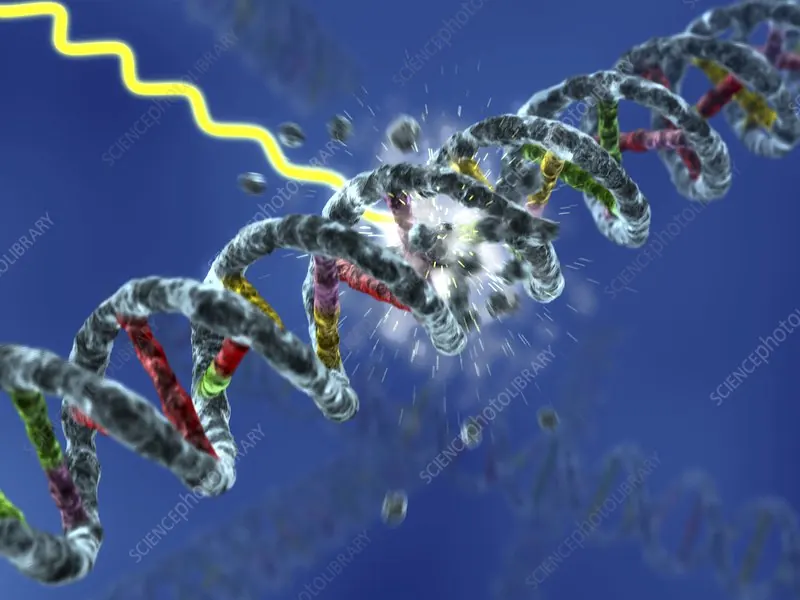
Exposure increases the risk of cellular damage, including DNA breaks that may lead to long-term health effects such as cancer. Solar particle events can also pose a risk of acute radiation sickness. Shielding from these particles is a persistent engineering consideration due to their high penetrating power.
Exposure increases the risk of cellular damage, including DNA breaks that may lead to long-term health effects such as cancer. Solar particle events can also pose a risk of acute radiation sickness. Shielding from these particles is a persistent engineering consideration due to their high penetrating power.
 |
 |
2. Effects of Microgravity
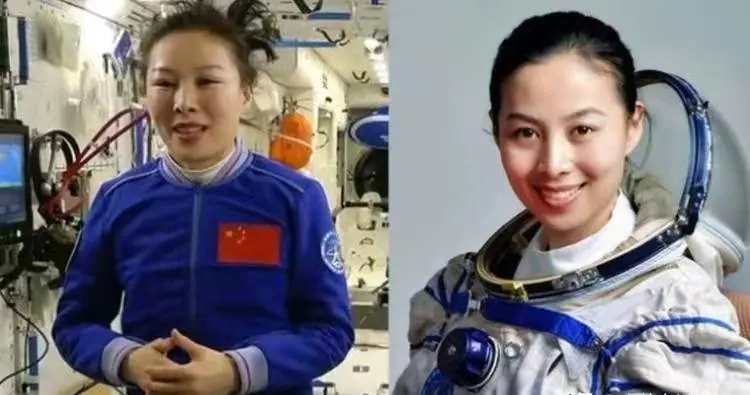
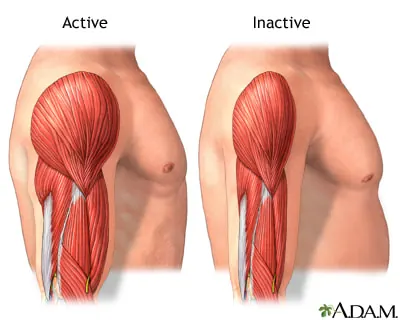
The condition of microgravity, or weightlessness, leads to a range of physiological adaptations. In the absence of Earth’s gravitational pull, bodily fluids shift toward the upper body and head, which can affect vision and increase intracranial pressure. Muscles, including the heart, weaken and shrink from reduced workload, and bones lose mineral density at a rate of approximately one to one and a half percent per month. The loss of bone calcium elevates the risk of renal stone formation. Upon return to Earth's gravitational environment, astronauts require a period of readaptation to restore normal function.
 |
 |
- Fluid Shift: Without gravity to pull fluids down, blood and plasma move toward the upper body and head, often causing "puffy face" syndrome and increased cranial pressure that puts dangerous pressure on the eyes.
- Muscular Atrophy: Because the body does not need to support its own weight, muscles (including the heart) can begin to weaken and shrink.
- Bone Loss: While bone loss on Earth is a slow process associated with aging, the space environment accelerates this decline. Without the constant pull of Earth’s gravity, an astronaut’s weight-bearing bones can lose between 1% and 1.5% of their mineral density per month in space.
Simultaneously, as bones lose mineral density, excess calcium is excreted into the bloodstream; without strict hydration and preventative protocols, this process often results in the development of kidney stones among crew members.
 |
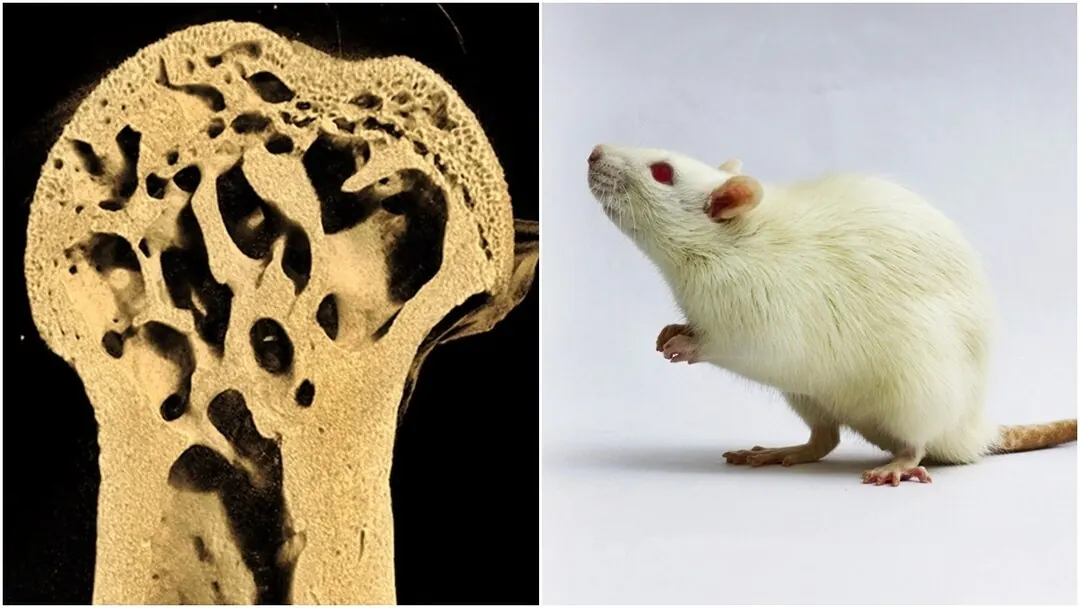 NASA found evidence on bone density loss in Mice in Space.
|
3. Isolation and Confinement
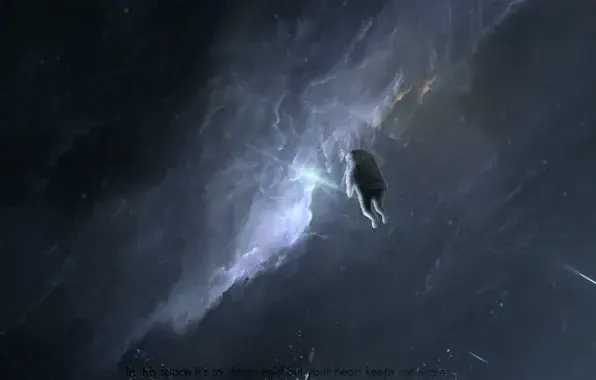
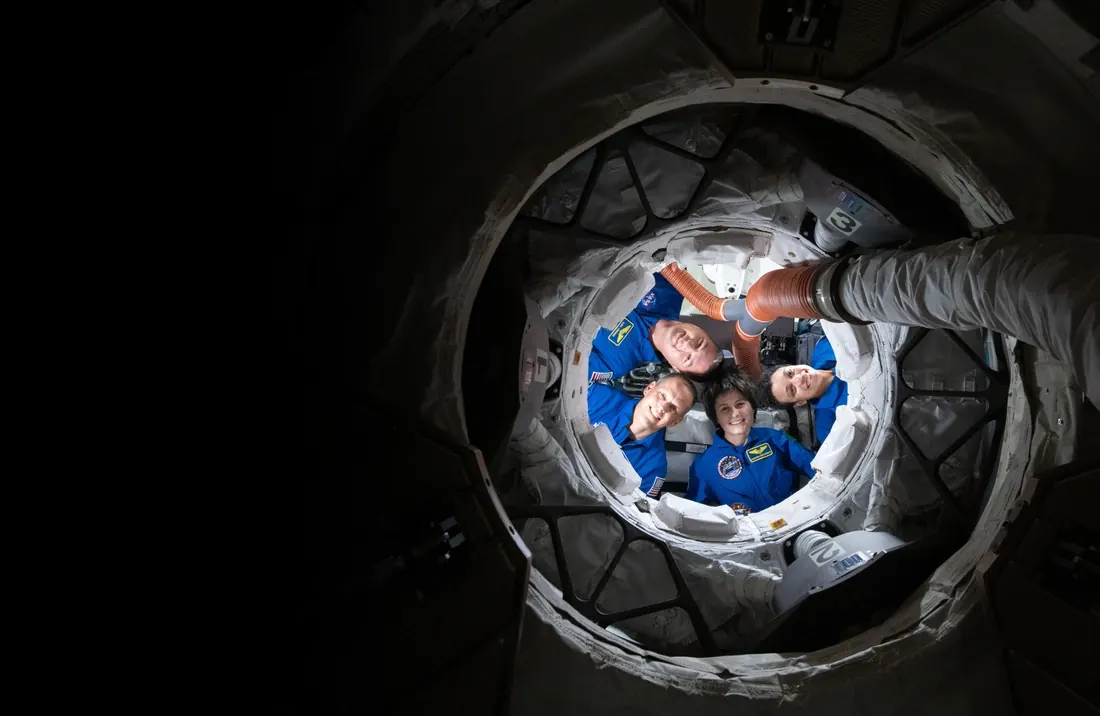
Extended missions introduce psychological and logistical factors related to isolation, confinement, and distance. Crews live and work in limited volumes for long periods, separated from familiar Earthly cues and social networks. This can affect team dynamics, sleep cycles, and cognitive performance. The distance from Earth introduces communication delays, which complicates real-time support and requires a greater degree of crew autonomy in problem-solving and medical response.
 |
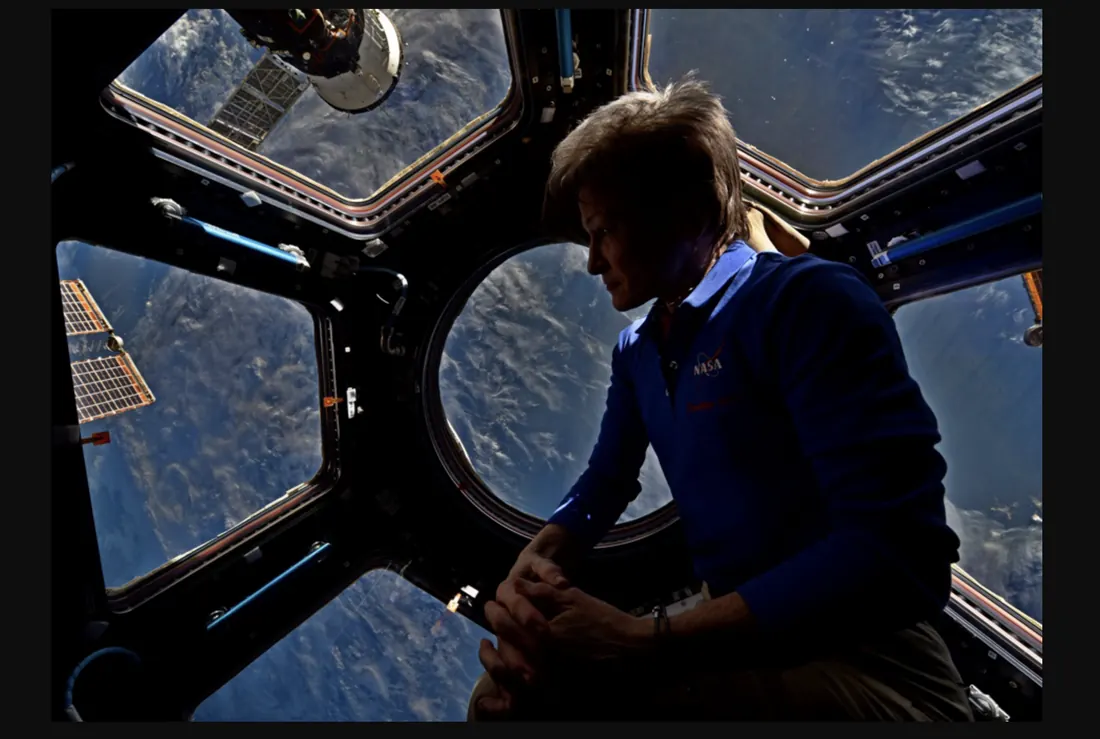 |
The space environment is not just a physical challenge; it is a mental one. Astronauts live in cramped quarters for months or years, separated from their families and the natural world.
- Circadian Rhythm Disruption: In low Earth orbit, astronauts experience 16 sunrises and sunsets a day, which can confuse the body’s internal clock and lead to sleep deprivation.
- Behavioral Health: The "closed-loop" nature of a spacecraft means that any interpersonal conflict or stress is magnified. Long-term isolation can lead to a decline in cognitive performance and decision-making abilities.
 |
 |
4. Distance from Earth
Distance from EarthThe distance from Earth introduces communication delays, which complicates real-time support and requires a greater degree of crew autonomy in problem-solving and medical response. Resupply and emergency return also become more difficult as missions travel farther from Earth.
Hostile and Closed Environments
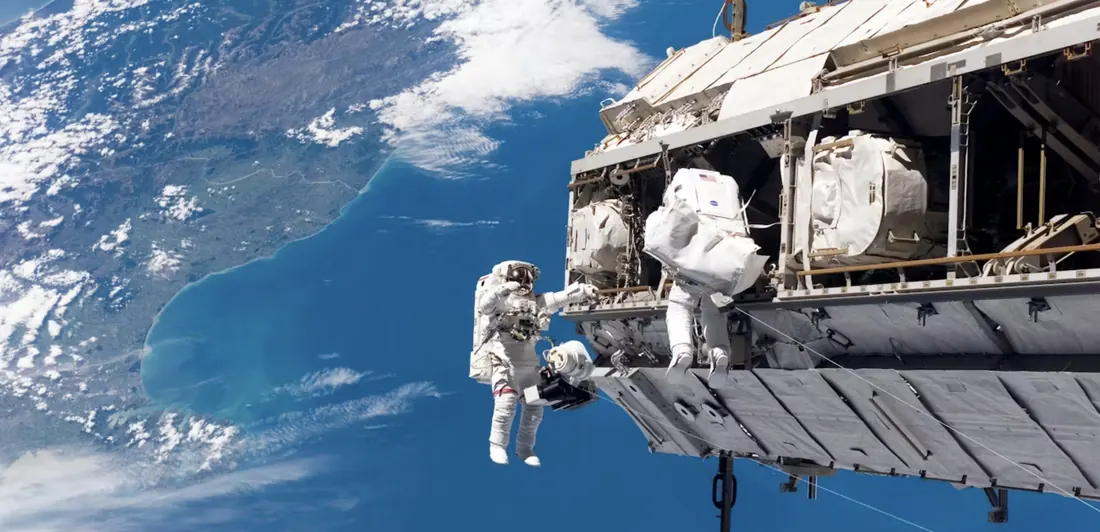
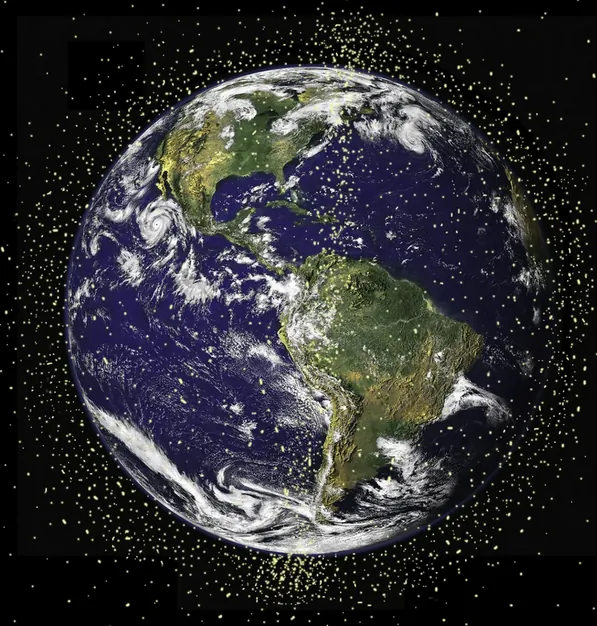
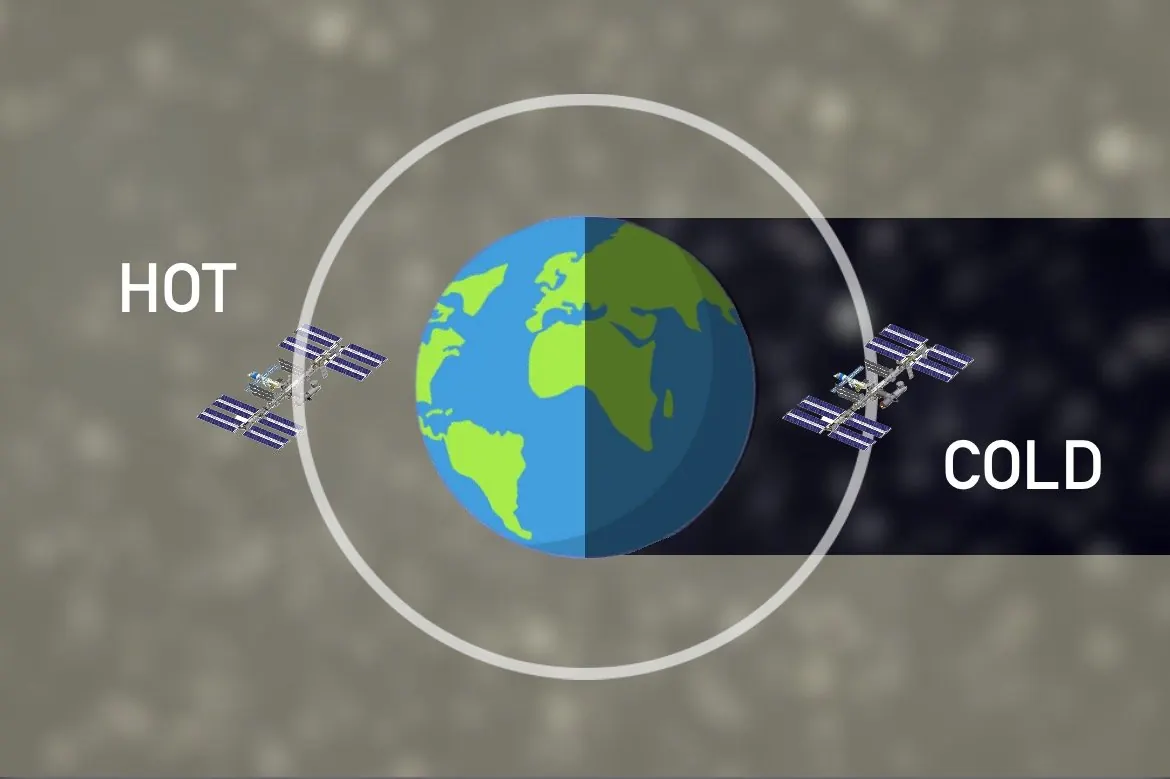
The spacecraft itself constitutes a closed environment that must reliably provide life support while protecting occupants from external conditions. The near-vacuum of space requires robust pressure vessel design. Temperature regulation is necessary due to extreme variations between sunlight and shadow. Internal atmospheric management, water recycling, and control of microbial growth are ongoing operational requirements. The structure must also withstand potential impacts from micrometeoroids and orbital debris, which travel at high velocities.
 |
 |
The vacuum of space presents immediate physical dangers that require advanced material science to overcome.
mp
mp
- Micrometeoroids: These are tiny fragments of rock or dust traveling at speeds of up to 22,000 mph (10 km/s). Even a speck of dust can puncture a space suit or damage a hull, requiring "Whipple shields" (multi-layered bumpers) for protection.
- Thermal Extremes: Without an atmosphere to regulate temperature, objects in direct sunlight can reach 121°C (250°F), while those in the shade can drop to -157°C (-250°F). Spacecraft must use active heating and cooling systems to maintain a "shirt-sleeve" environment for the crew.
Engineering for Survival
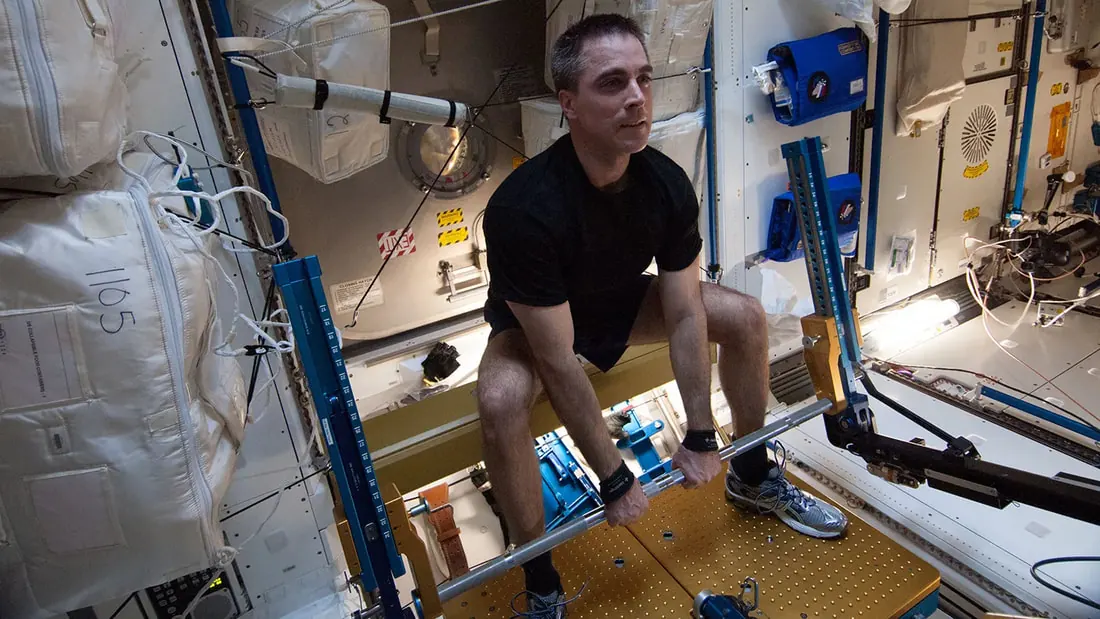
These hazards are not independent; they interact in ways that can amplify risks. For instance, radiation effects may combine with microgravity-induced physiological changes, while isolation can influence an individual’s resilience to other stressors. Mitigation strategies are therefore developed with these interactions in mind. Current research focuses on improved shielding materials, exercise protocols to reduce bone and muscle loss, monitoring tools for crew health and behavior, and the design of reliable closed-loop life support systems.
As planning extends to missions in Low Earth Orbit, to the Moon, to Mars, and beyond, these interacting hazards represent a primary consideration for long-term space habitation. The study of their combined effects directs ongoing work by researchers, engineers, and flight surgeons to develop updated countermeasures in radiation shielding, physiological protocols, and psychological support. This collaborative work aims to ensure that astronauts are protected and that human capabilities are sustained as the central component of mission success.
As planning extends to missions in Low Earth Orbit, to the Moon, to Mars, and beyond, these interacting hazards represent a primary consideration for long-term space habitation. The study of their combined effects directs ongoing work by researchers, engineers, and flight surgeons to develop updated countermeasures in radiation shielding, physiological protocols, and psychological support. This collaborative work aims to ensure that astronauts are protected and that human capabilities are sustained as the central component of mission success.
Activity: Introduction to 3D Modeling with SAM3
Today, you will use a powerful AI tool called SAM3 to generate 3D models from 2D images. The process is simple and follows these steps:
By the end of this activity, you will have transformed a simple 2D picture into a customizable, digital 3D object ready for fabrication.
- Generate: Upload a clear, front-facing 2D image of an object to SAM3. The AI will process it and automatically create a 3D model for you, which it will output as a .glb file.
- Convert: We will then take that .glb file and convert it into a .stl file format, which is a standard for 3D printing and modeling.
- Design: Finally, you will import your .stl file into TinkerCAD. In this design environment, you can further modify, resize, combine your object with other shapes, and prepare it for a 3D printer.
By the end of this activity, you will have transformed a simple 2D picture into a customizable, digital 3D object ready for fabrication.