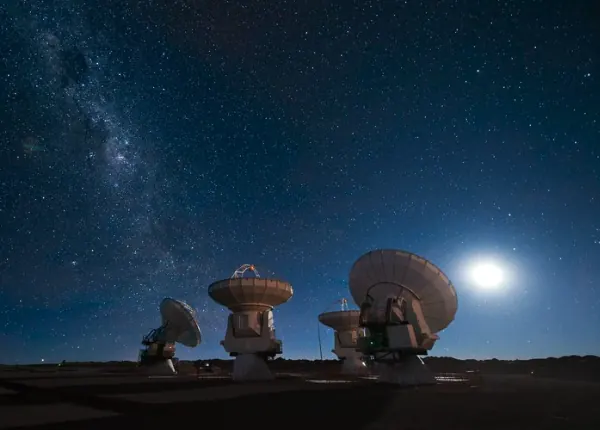
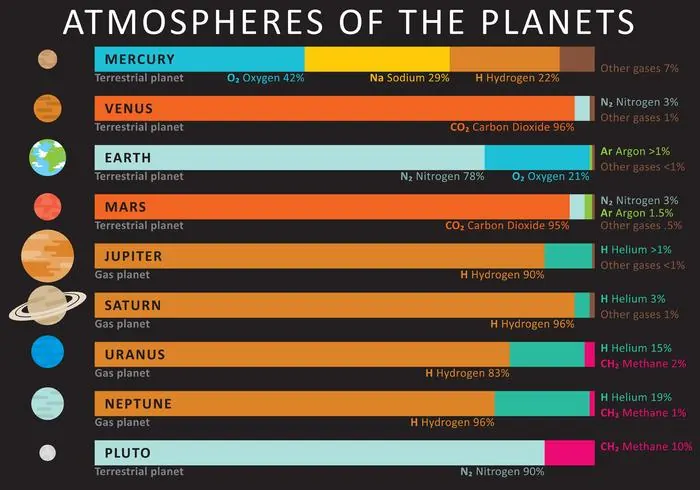
What Is Astrobiology?Astrobiology is the study of the origin, evolution, and distribution of life in the universe. It combines astronomy, biology, chemistry, and geology to investigate where life could exist and how we might detect it. Scientists design missions to identify biosignatures, which are physical or chemical marks indicating life, such as specific gas ratios in a planet's atmosphere. Instruments like spectrometers analyze light passing through atmospheres to detect these fingerprints.
|
 |
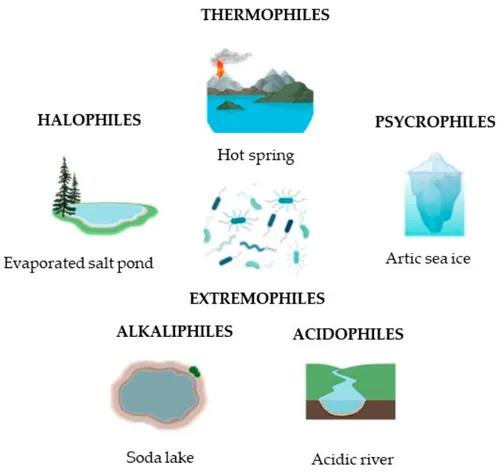
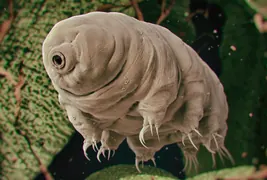
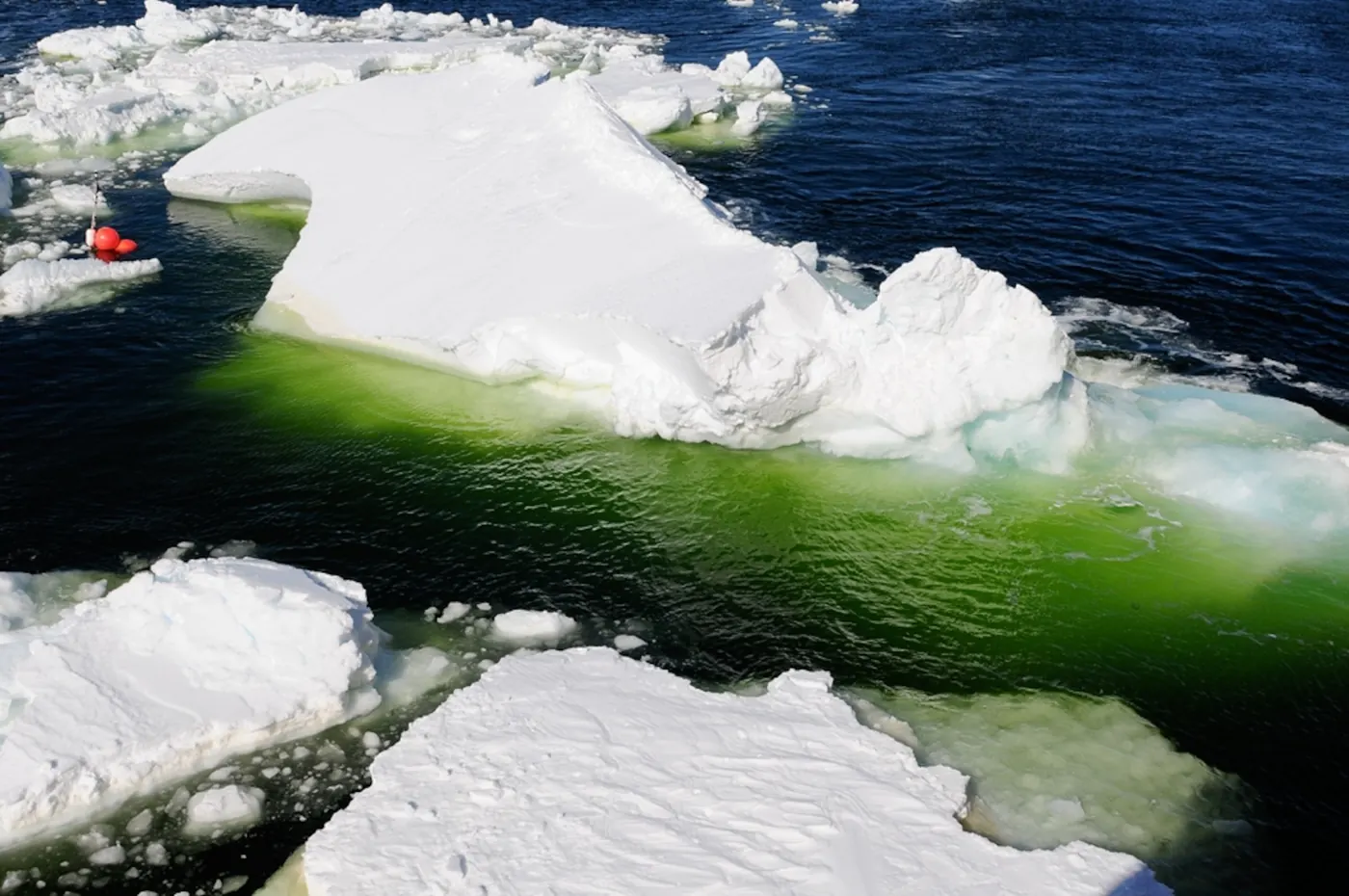
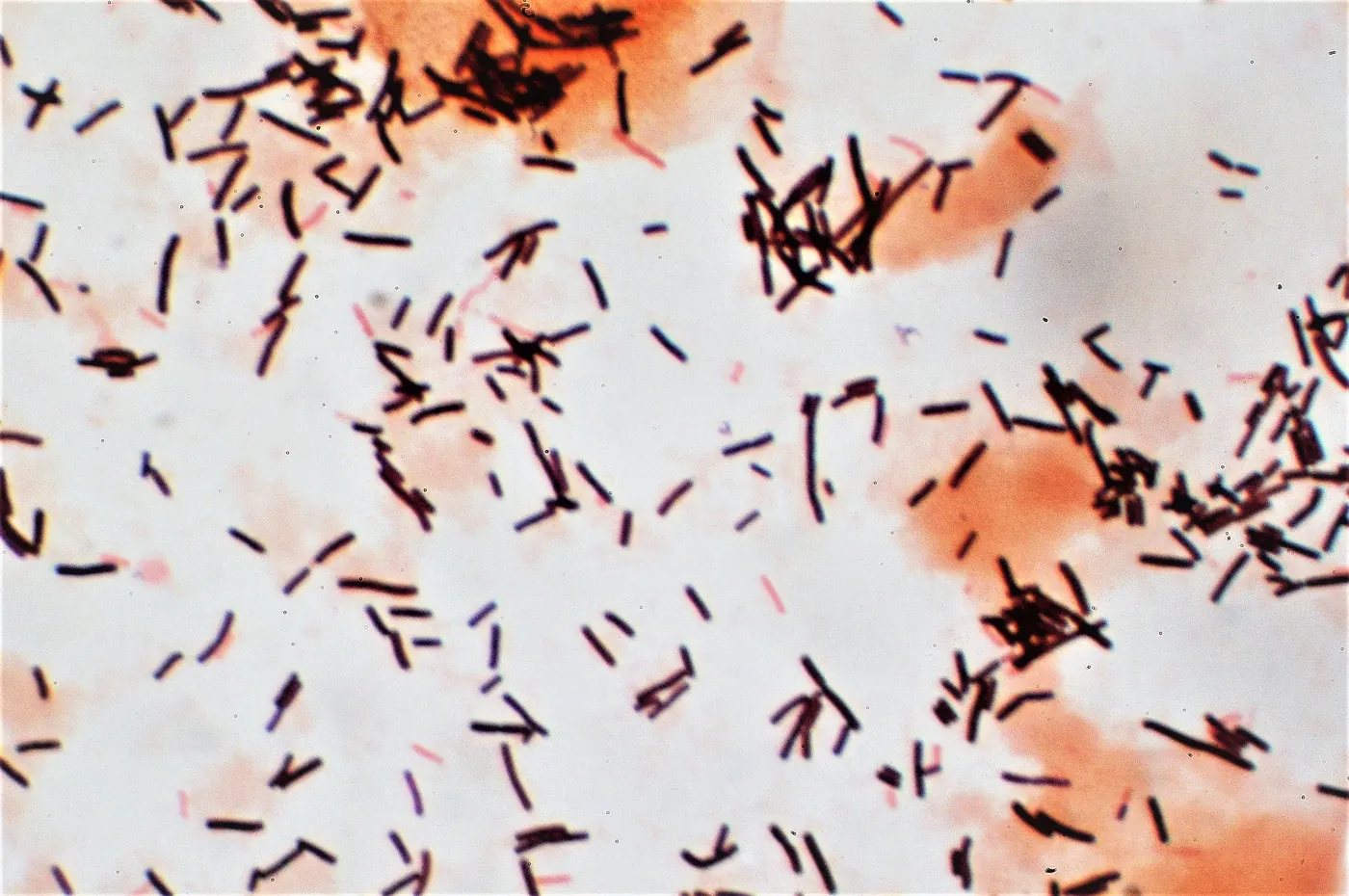
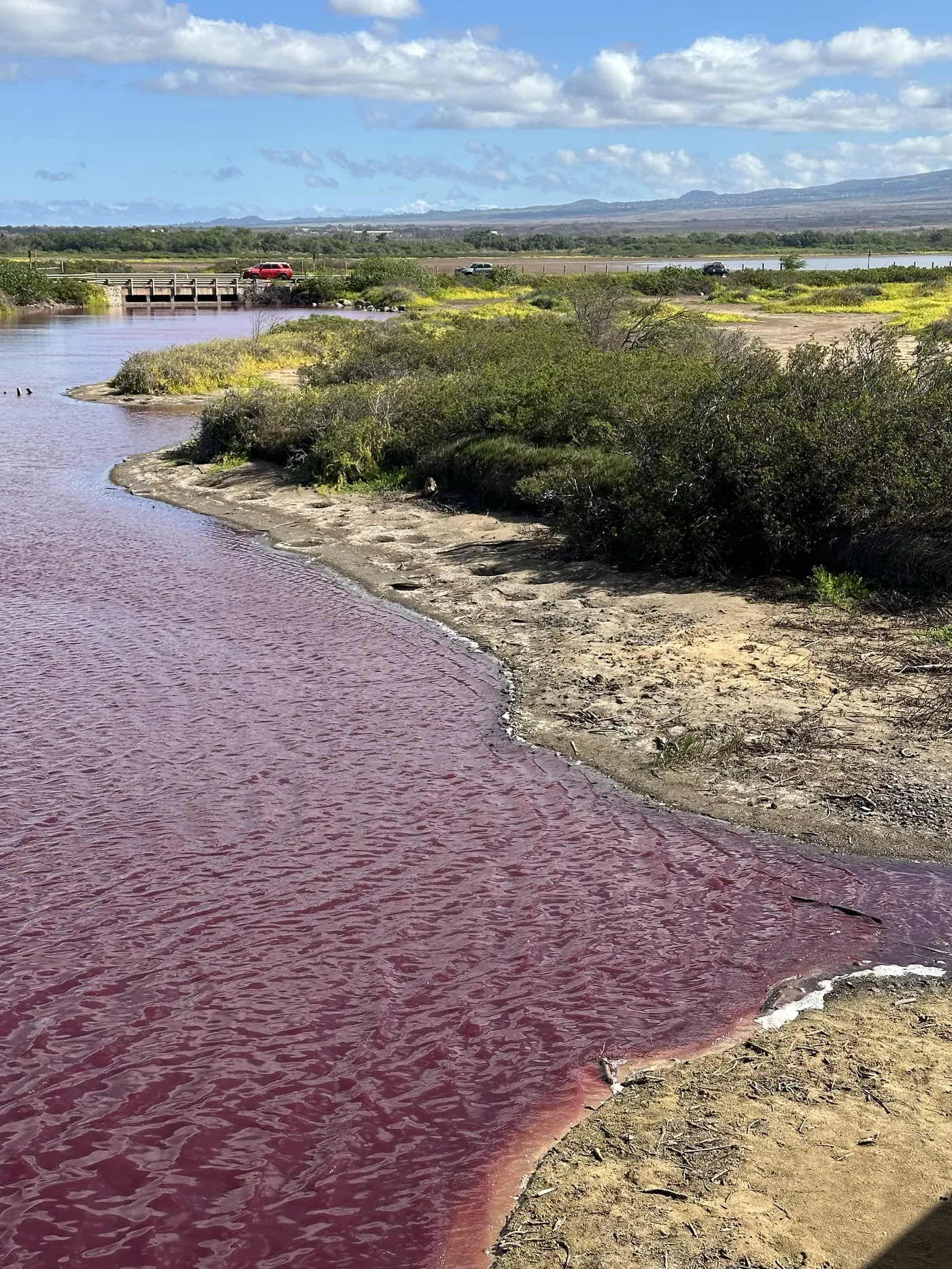
Astrobiologists study extremophiles, organisms that thrive in Earth's most extreme environments like deep ocean vents or Antarctic dry valleys. Understanding how life persists in these harsh settings helps guide the search for life on other worlds, including Mars and the icy moons of Jupiter and Saturn.
Planetary Protection
Planetary protection protocols prevent contamination between Earth and other celestial bodies. Forward contamination occurs when Earth microbes hitchhike on spacecraft and could interfere with life-detection experiments. Backward contamination refers to the risk of bringing extraterrestrial material back to Earth that could harm our biosphere.
Missions are assigned categories based on their destination.
Missions are assigned categories based on their destination.
- Category IV missions to biologically interesting regions require high cleanliness, with spacecraft assembled in clean rooms and sterilized to reduce bioburden.
- Category V sample-return missions require specialized containment canisters that remain sealed until reaching high-security laboratories on Earth.
To reduce forward contamination, teams design spacecraft and instruments to be as clean as reasonably possible before launch. This can include assembling hardware in special clean rooms, sterilizing certain parts, and carefully tracking how many microbes remain on surfaces that may contact other worlds. Missions are grouped into categories depending on their targets and activities, and higher‑risk missions, such as landers that might reach potentially habitable regions on Mars or icy moons, must follow stricter cleaning and testing procedures. For human missions, designers also consider air, water, and waste systems to control how microbes from astronauts and equipment could be released into the surrounding environment, and to plan how to contain materials that might be brought back.
Missions are assigned to different categories (I through V) based on the biological interest of the destination. For example, a mission to a "special region" on Mars where liquid water might exist is classified as Category IV and requires the highest level of cleanliness. Engineering teams must build these spacecraft in "clean rooms" and use sterilization methods such as dry heat, chemical treatment, or radiation to reduce the "bioburden"—the number of living microorganisms on the hardware. For sample-return missions (Category V), engineers design specialized containment canisters that remain sealed until they reach a high-security laboratory on Earth.
Missions are assigned to different categories (I through V) based on the biological interest of the destination. For example, a mission to a "special region" on Mars where liquid water might exist is classified as Category IV and requires the highest level of cleanliness. Engineering teams must build these spacecraft in "clean rooms" and use sterilization methods such as dry heat, chemical treatment, or radiation to reduce the "bioburden"—the number of living microorganisms on the hardware. For sample-return missions (Category V), engineers design specialized containment canisters that remain sealed until they reach a high-security laboratory on Earth.
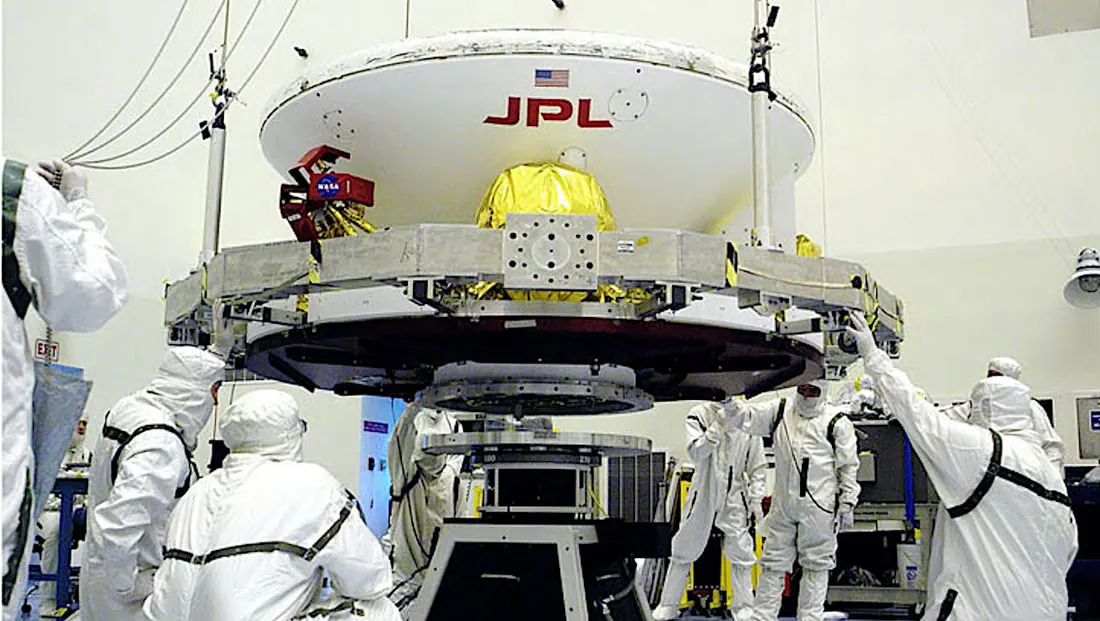 |
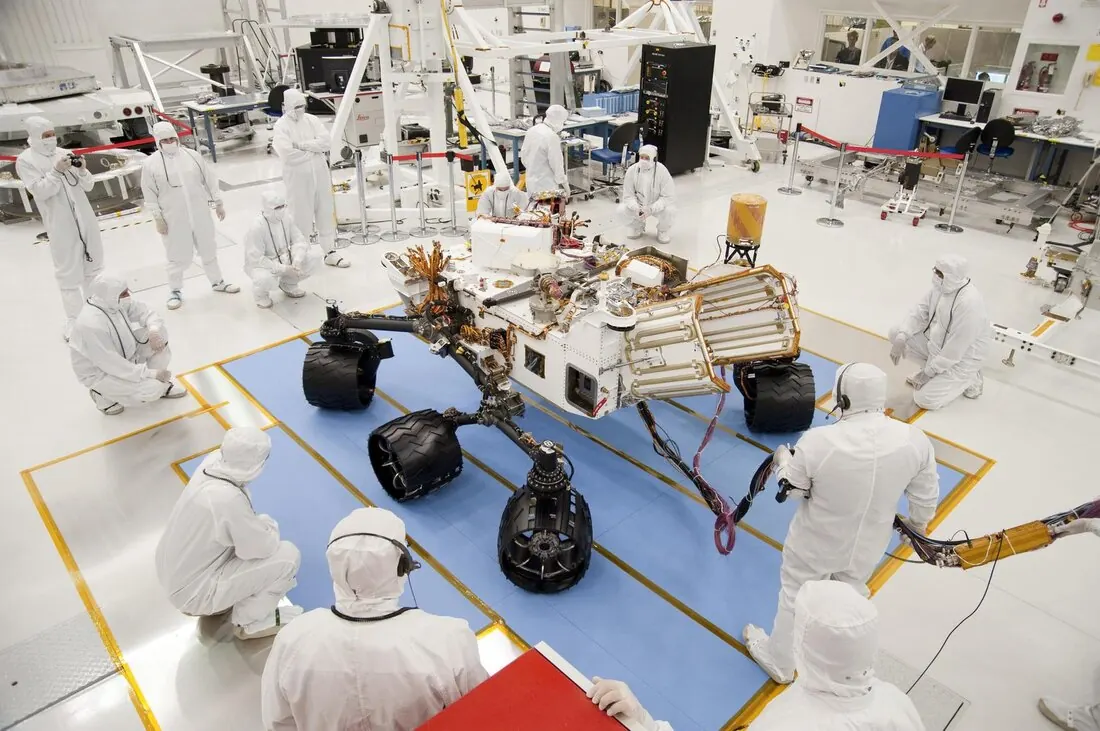
Here is an example of how NASA prepares for a Category IV clean mission: All Mars spacecraft from the NASA Jet Propulsion Laboratory (JPL) are assembled and tested under planetary protection constraints. The image shows technicians assembling the spacecraft and preparing it for launch.
|
 |
Sample-return missions (Category V): This picture shows glove boxes in the bioburden-controlled cleanroom at Thales Alenia Space Italy for the assembly of the hardware destined to process and analyze martian samples under aseptic and ultra-clean conditions.
|
Ethical Considerations and Coexistence
The discovery of life beyond Earth involves significant ethical responsibilities. Astrobiology and planetary protection raise ethical questions about how humans should behave when exploring other worlds. Many scientists argue that extraterrestrial environments, even if they seem lifeless, have scientific and possibly intrinsic value, so missions should try to avoid damaging or erasing evidence about their natural history.
If microbial life exists elsewhere, there is an additional responsibility to minimize activities that could harm these organisms or destroy their habitats before we can understand them. Ideas such as environmental impact assessments, protected “planetary parks,” and long‑term planning are discussed as ways to balance human exploration, resource use, and the protection of potential alien biospheres.
If microbial life exists elsewhere, there is an additional responsibility to minimize activities that could harm these organisms or destroy their habitats before we can understand them. Ideas such as environmental impact assessments, protected “planetary parks,” and long‑term planning are discussed as ways to balance human exploration, resource use, and the protection of potential alien biospheres.
Activity
In this activity, your group will act as an international committee tasked with developing a policy for how humanity should respond to the discovery of extraterrestrial life. Your policy will address first contact, scientific study, and long-term coexistence.
Part 1: Case Study Analysis
Your group will receive one of the following scenarios. Read your case carefully and consider the specific challenges it presents.
Case A: Microbial Discovery on Mars
A robotic mission has discovered active microbial life in subsurface ice on Mars. The organisms are simple and do not interact with the surface environment. They exist in isolated pockets.
Case B: Ocean Life on Europa
A submarine probe has found complex multicellular life swimming in the dark ocean beneath Europa's icy crust. The life forms show no intelligence but exhibit complex behaviors.
Case C: Signals from an Exoplanet
Astronomers have detected a clear technological signal from a planet orbiting a nearby star. We cannot communicate directly yet, but we know something intelligent is there.
Case D: Arrival in Our Solar System
An unknown object of non-human origin has entered our solar system and is moving slowly through the outer planets. It shows no aggressive behavior and does not respond to our signals.
Case E: Fossil Life Found
A mission to a Martian ancient lakebed has discovered clear fossil evidence of past life that died out billions of years ago. No current life exists.
Case A: Microbial Discovery on Mars
A robotic mission has discovered active microbial life in subsurface ice on Mars. The organisms are simple and do not interact with the surface environment. They exist in isolated pockets.
Case B: Ocean Life on Europa
A submarine probe has found complex multicellular life swimming in the dark ocean beneath Europa's icy crust. The life forms show no intelligence but exhibit complex behaviors.
Case C: Signals from an Exoplanet
Astronomers have detected a clear technological signal from a planet orbiting a nearby star. We cannot communicate directly yet, but we know something intelligent is there.
Case D: Arrival in Our Solar System
An unknown object of non-human origin has entered our solar system and is moving slowly through the outer planets. It shows no aggressive behavior and does not respond to our signals.
Case E: Fossil Life Found
A mission to a Martian ancient lakebed has discovered clear fossil evidence of past life that died out billions of years ago. No current life exists.
Part 2: Develop Your Policy
With your group, develop a policy that addresses the following questions for your specific case:
- Discovery Response: What is the first action upon confirming life? Who should be informed, and in what order?
- Scientific Protocol: How should scientists study this life? What methods are permitted or forbidden?
- Contamination Prevention: What measures are needed to protect Earth and the discovered life from cross-contamination?
- Intervention Limits: Should we alter the environment to help the life form, or should we observe without interference?
- Communication: If the life form shows signs of awareness or intelligence, should we attempt communication? What message should we send?
- Long-Term Coexistence: What rights, if any, does this life form have? Should we establish protected zones or limits on future human activity?
- Decision Authority: Who makes the final decisions—scientists, governments, an international body, or everyone?
Part 3: Present Your Policy
Each group will present their policy to the class in a brief 5-minute presentation. Explain the reasoning behind your decisions and how your case influenced your approach.