Part 1: Understanding Architectural Styles
When designing a building or a cityscape, architects often work within or respond to established design philosophies known as architectural styles. These styles are defined by shared ideas about form, function, materials, and aesthetics that emerge during specific periods. Architecture has developed various distinct styles over time. Today, we will take a glimpse into the world of architecture and learn a set of vocabulary that conveys their design philosophy.
Classical & Beaux-Arts Tradition
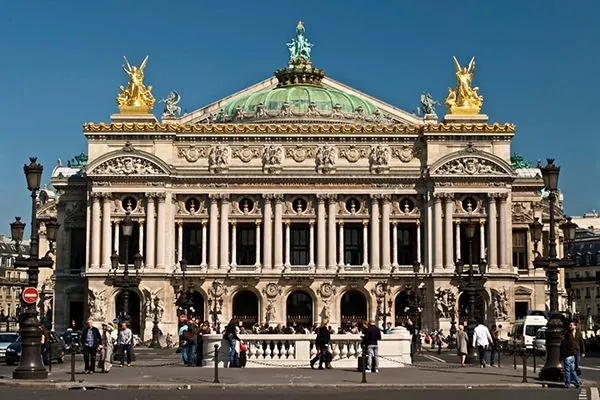
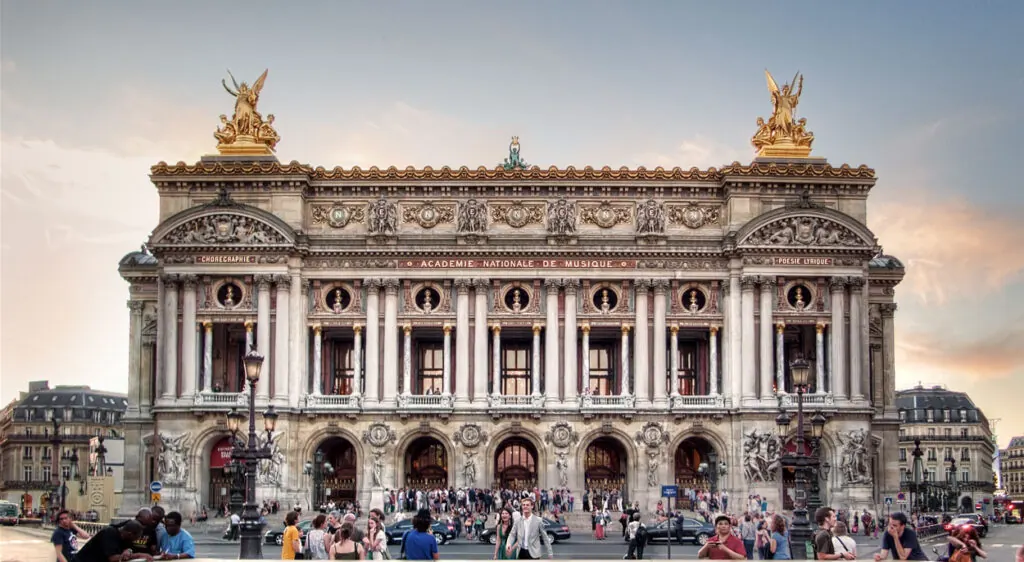
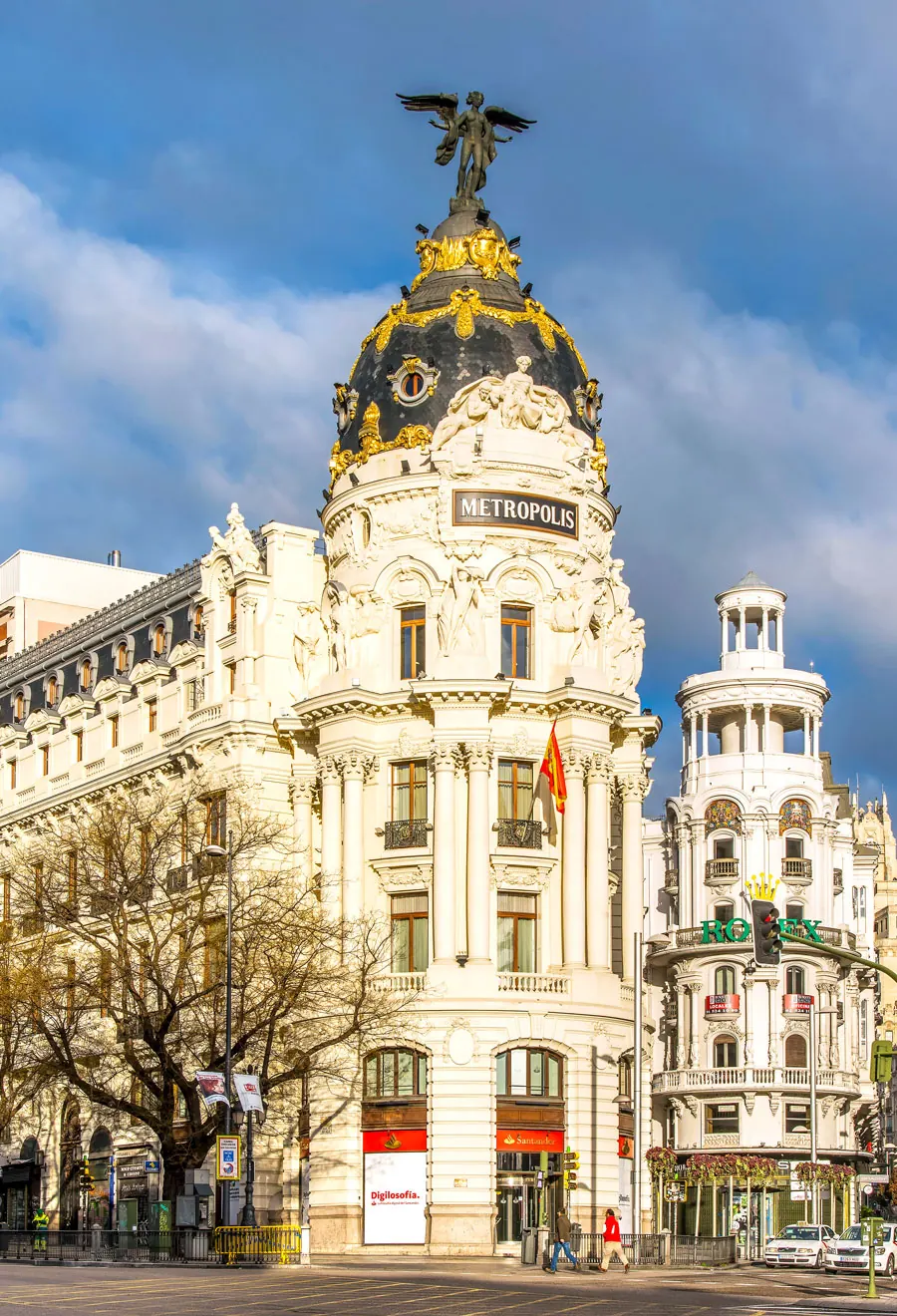
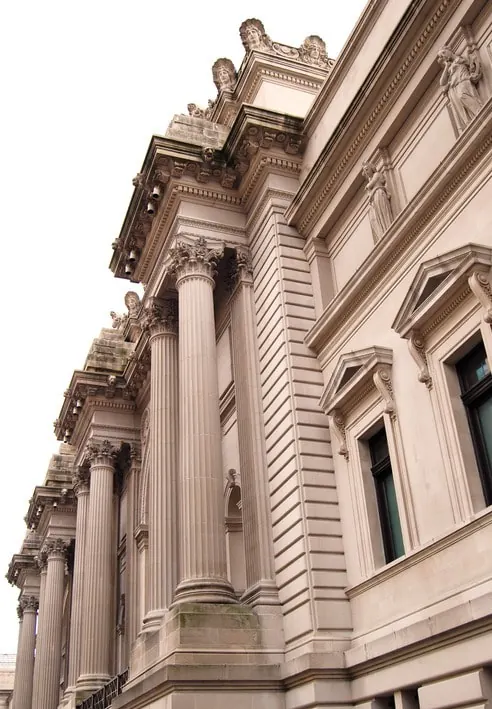
This tradition draws inspiration from the architecture of ancient Greece and Rome. Its vocabulary includes symmetry, proportion, and ornament. Buildings in this style often feature elements like columns, pediments, and domes, and are decorated with statues, friezes, and reliefs. The philosophy connects buildings to history and civic ideals, using decoration to tell stories and convey power and importance. Common materials are stone and marble, chosen for their permanence and beauty.
Example: The Paris Opera House (Palais Garnier) showcases this style with its grand staircase, sculpted façades, and lavish interior details.
Example: The Paris Opera House (Palais Garnier) showcases this style with its grand staircase, sculpted façades, and lavish interior details.
 |
 |
 |
 |
The Chicago School
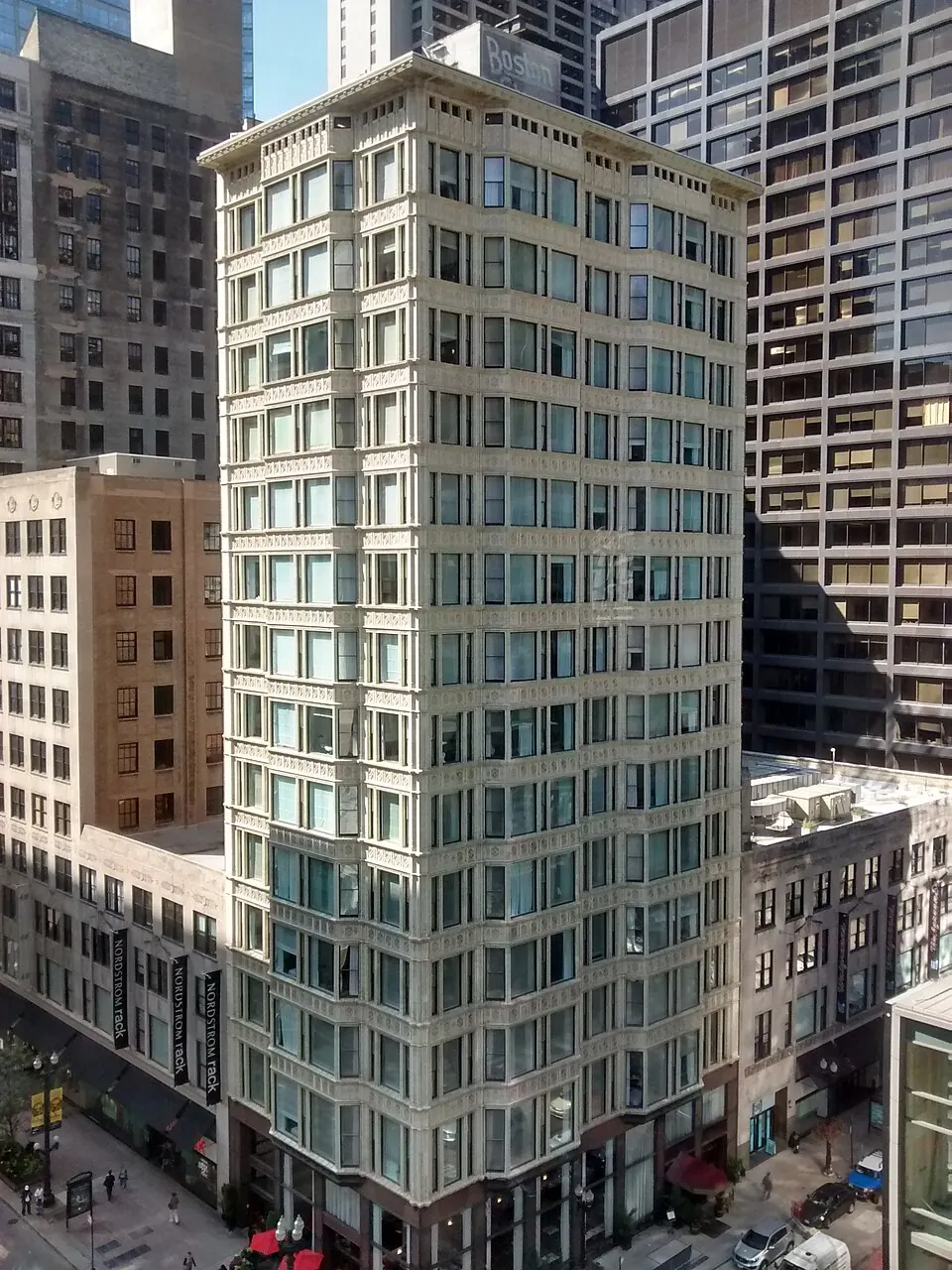
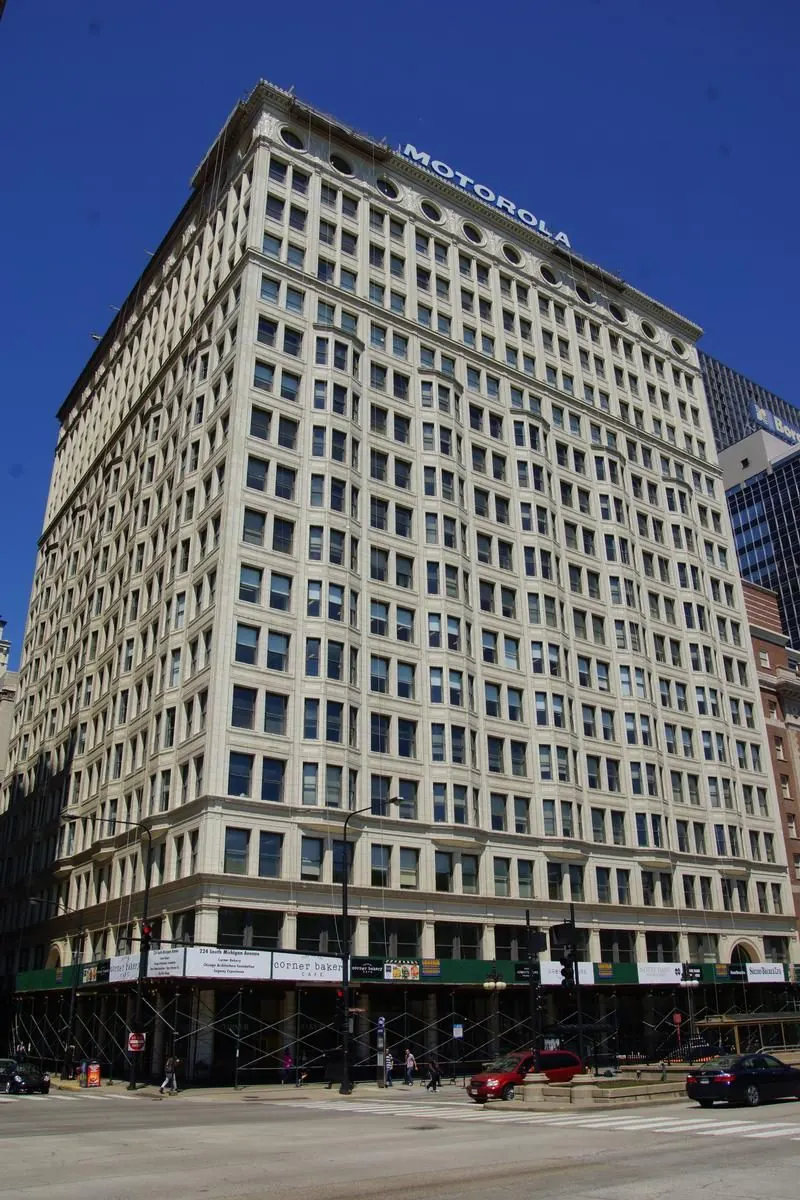
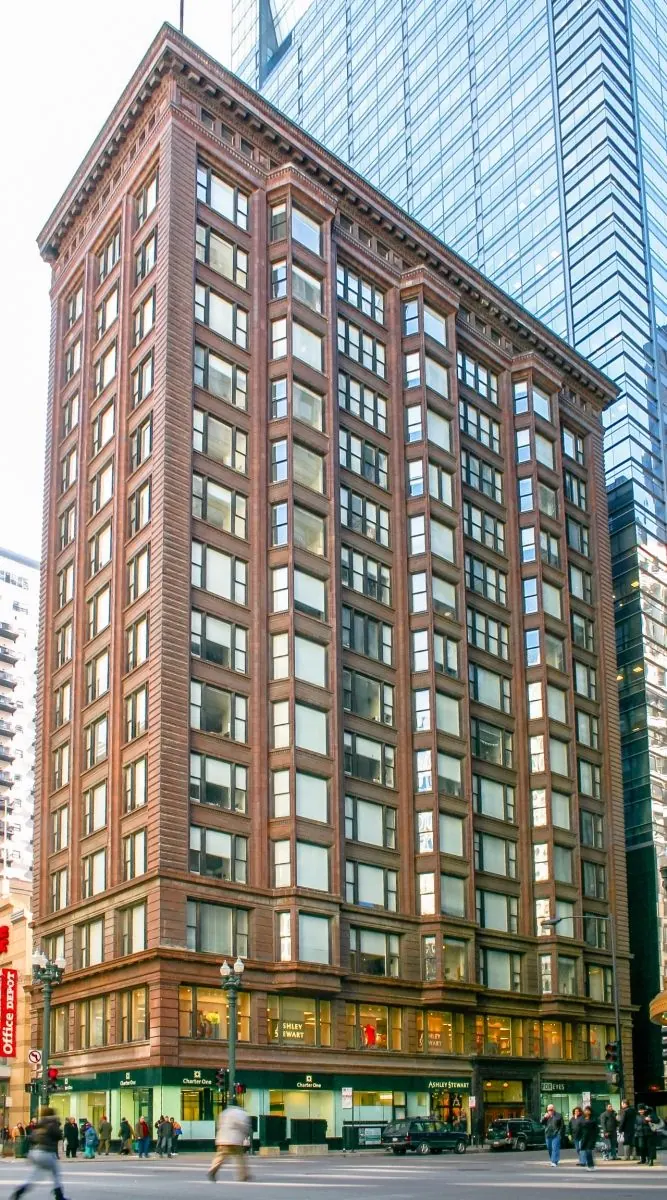
Emerging with the rise of skyscrapers, this style introduced a new vocabulary: the steel frame, the curtain wall, and the Chicago window. The design philosophy values functionalism and structural expression—showing how the building is put together rather than hiding it. The aesthetic is vertical and ordered, focusing on bringing ample natural light into office buildings. Primary materials are steel, glass, and terra cotta.
Example: The Reliance Building in Chicago demonstrates these principles with its large windows and clearly expressed metal structure.
Example: The Reliance Building in Chicago demonstrates these principles with its large windows and clearly expressed metal structure.
 |
 |
 |
Bauhaus / International Style
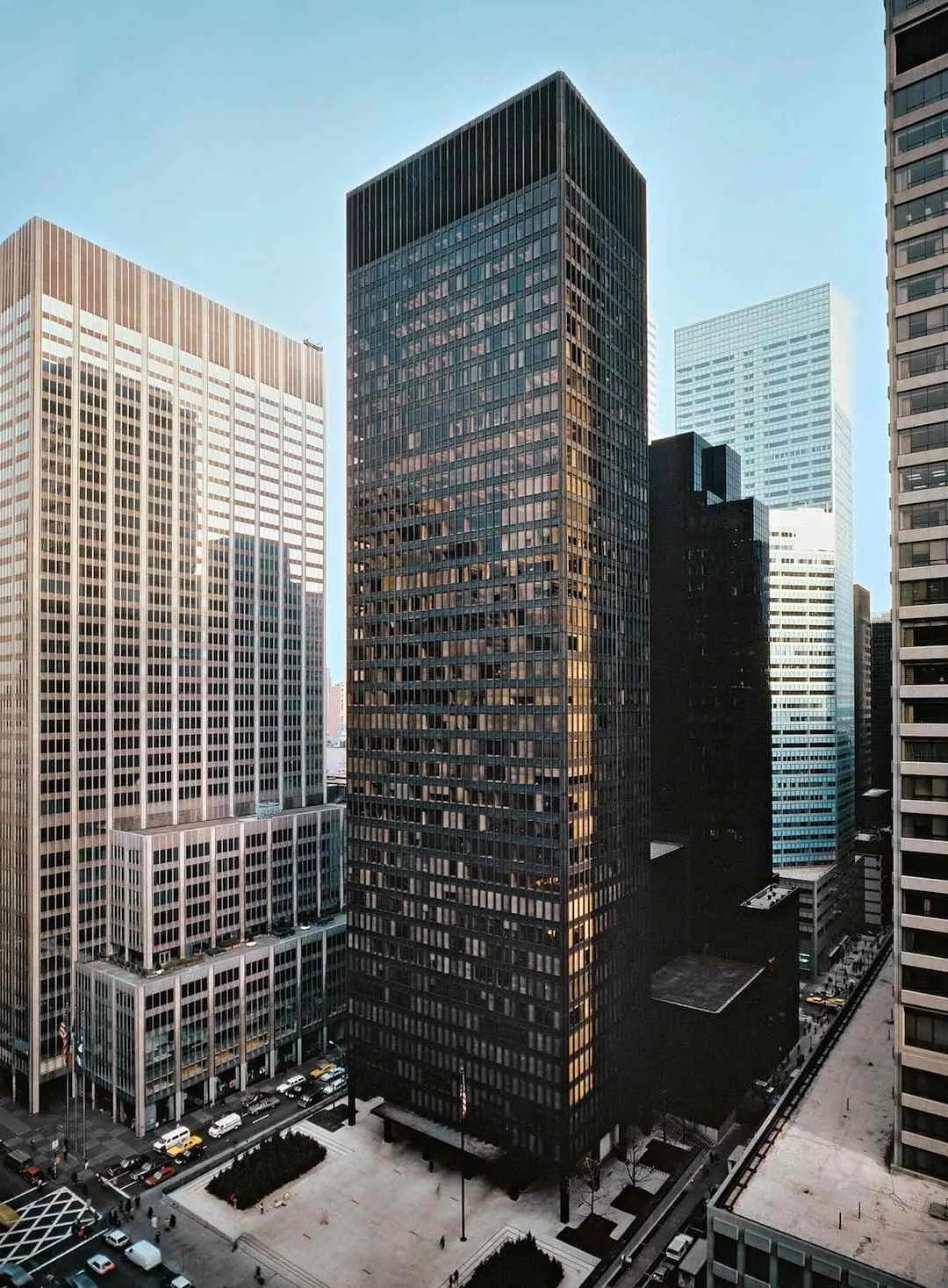
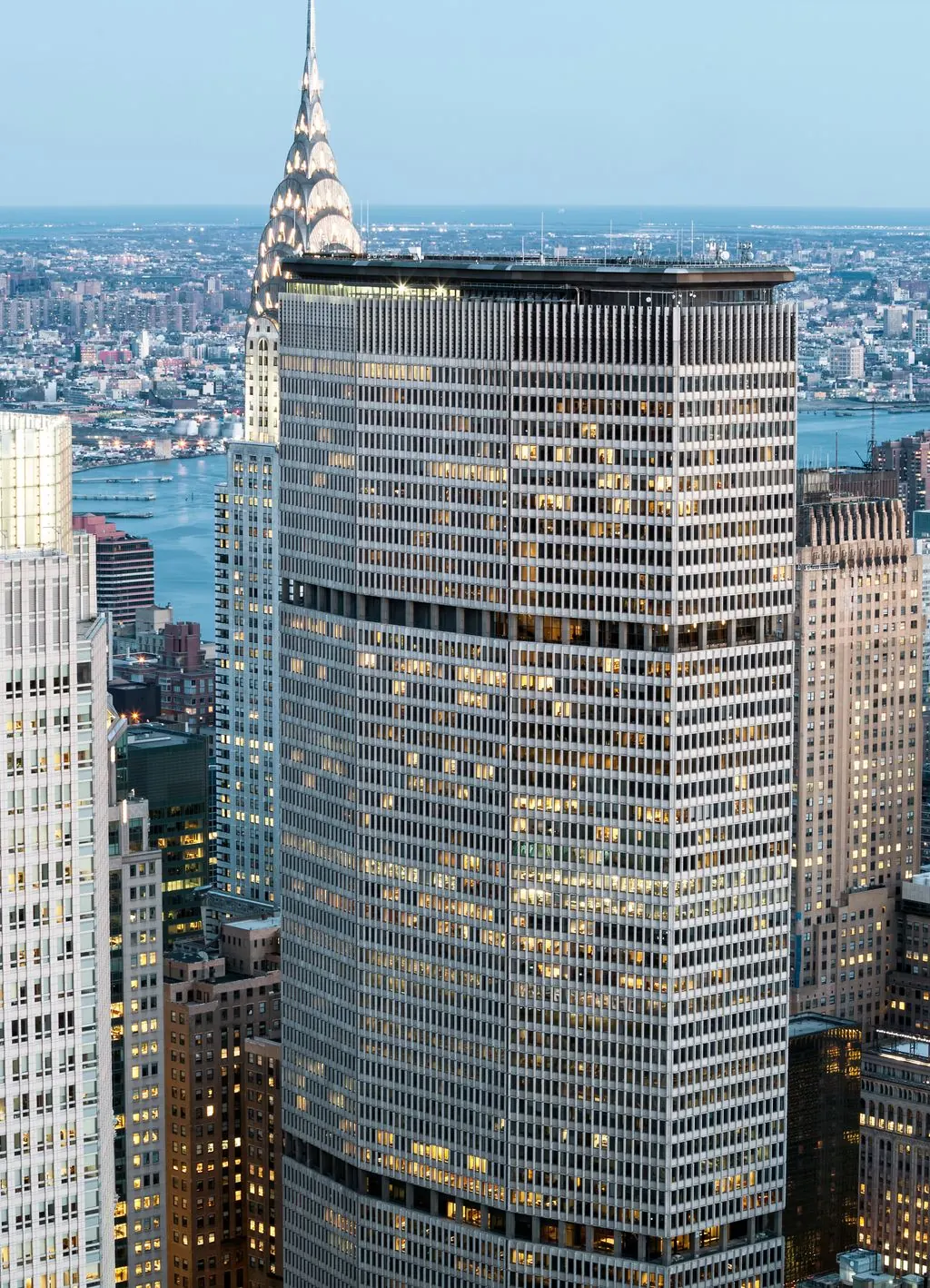
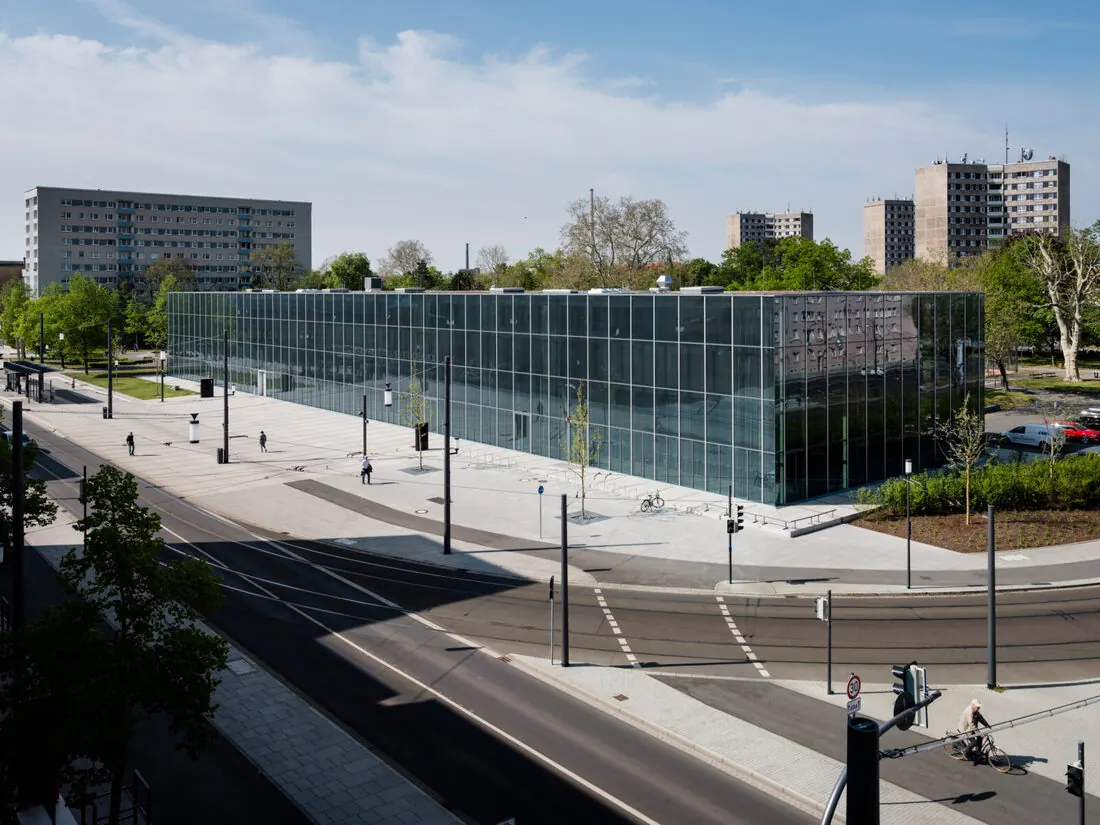
This style made a decisive break from the past. Its core vocabulary is "form follows function," simplicity, and abstraction. It rejects ornament in favor of geometric forms, flat roofs, and open floor plans. A key element is the curtain wall, a non-structural skin of glass that creates a sense of transparency and lightness. The philosophy aims for universal, efficient design using industrial materials like steel, glass, and concrete.
Example: The Seagram Building in New York embodies this with its sleek bronze and glass façade and minimalist aesthetic.
Example: The Seagram Building in New York embodies this with its sleek bronze and glass façade and minimalist aesthetic.
 |
 |
Brutalism
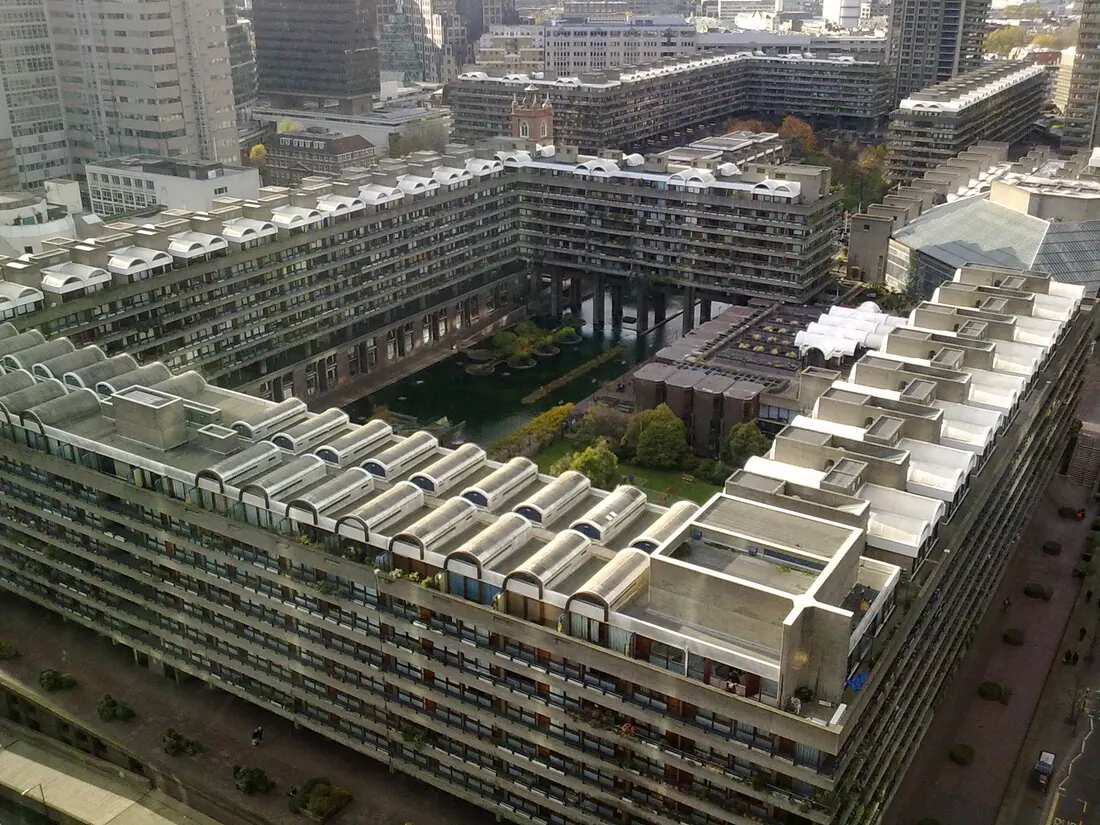
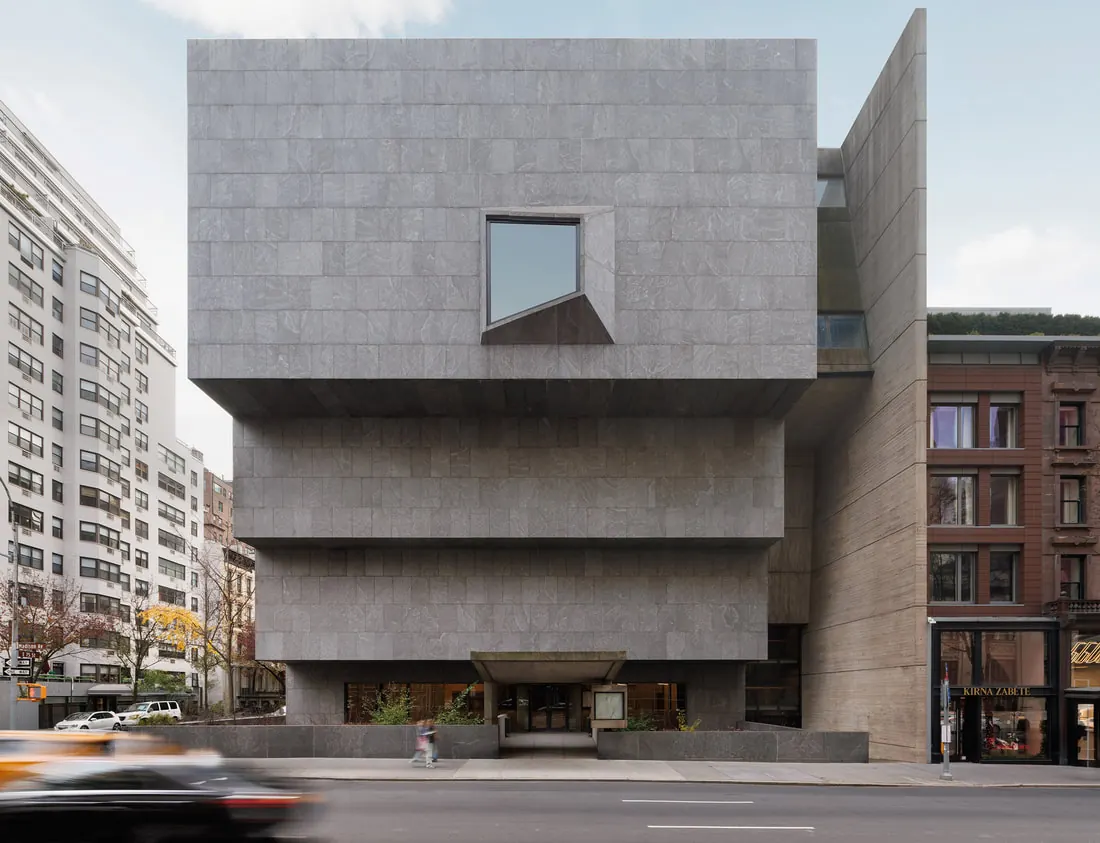
The name comes from the French béton brut, meaning "raw concrete." The vocabulary of Brutalism is monolithic, sculptural, and textured. It emphasizes material honesty, showcasing the rough, board-marked finish of poured concrete. The philosophy values a powerful, permanent presence and often employs modular, repetitive elements. The aesthetic can be imposing, creating fortress-like structures that celebrate the weight and raw beauty of their materials.
Example: The Barbican Estate in London is a large-scale example, with its complex of geometric concrete forms and elevated walkways.
Example: The Barbican Estate in London is a large-scale example, with its complex of geometric concrete forms and elevated walkways.
 |
 |
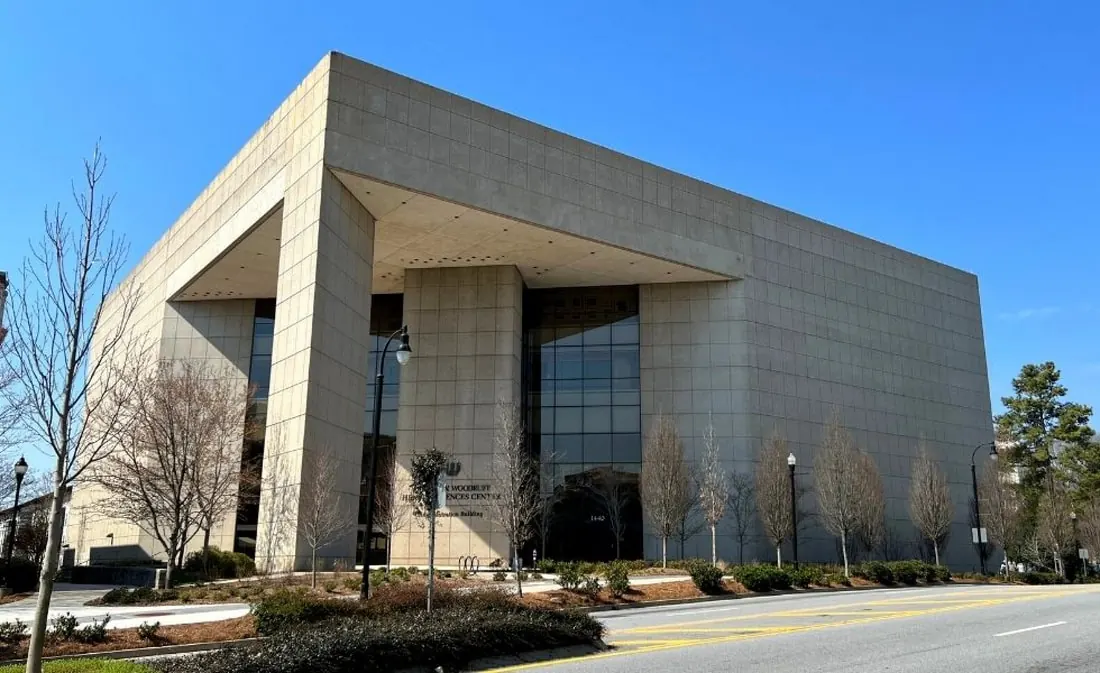 |
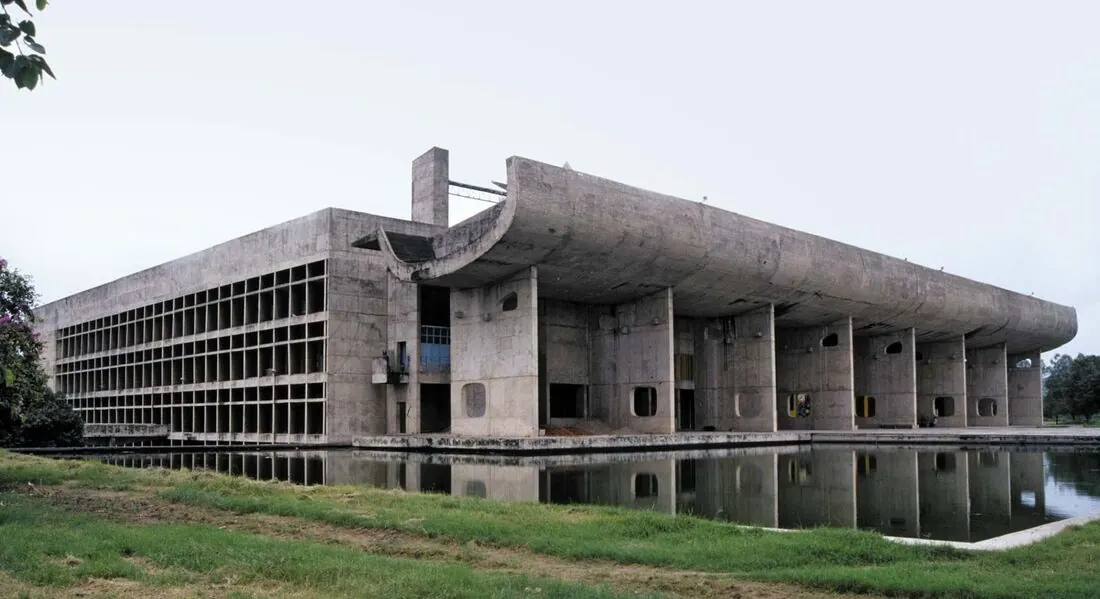 |
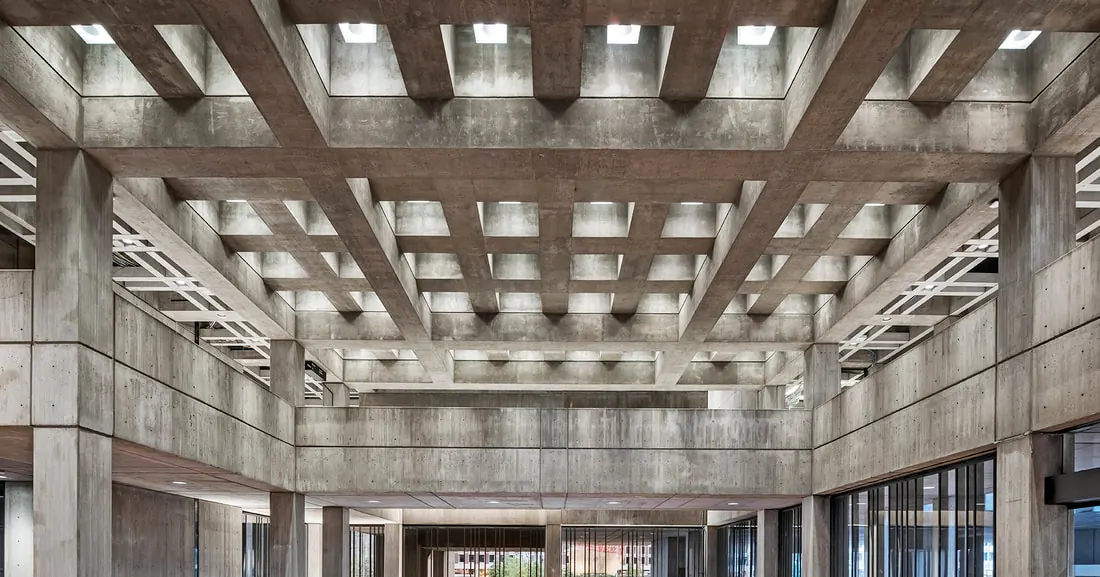 |
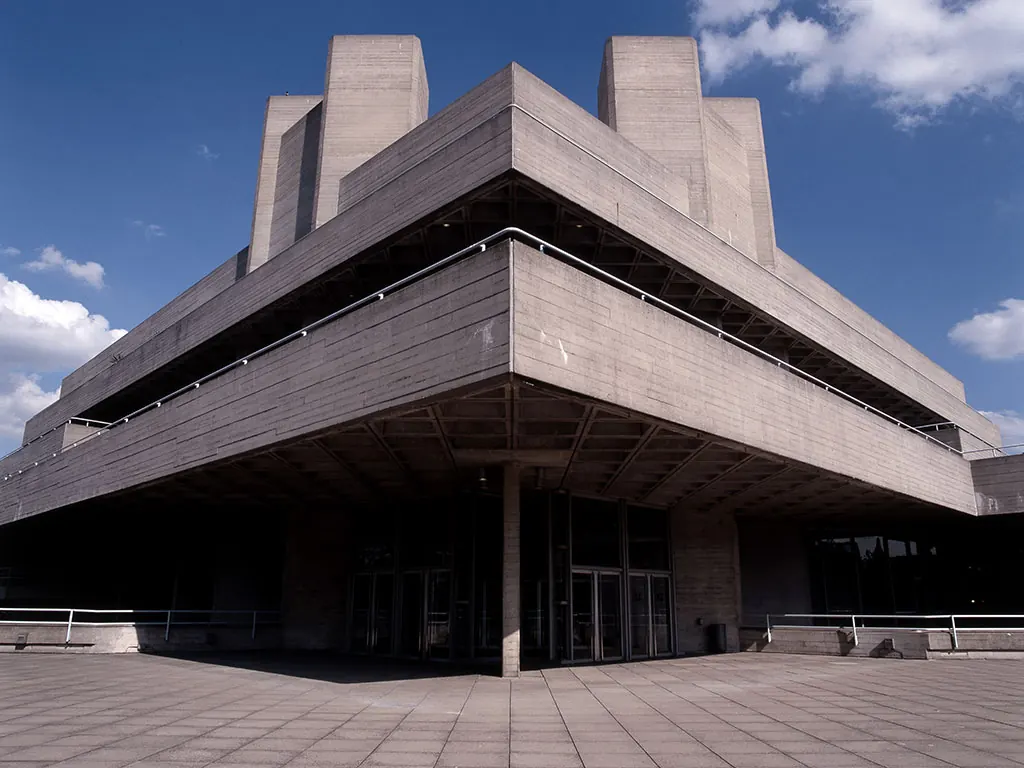 |
Minimalism
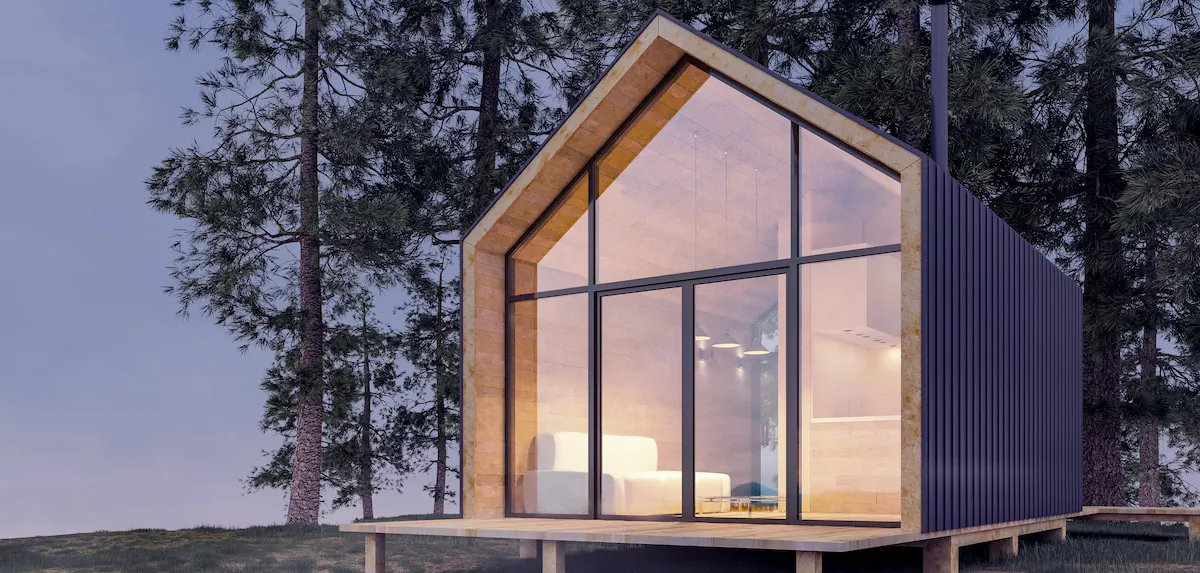
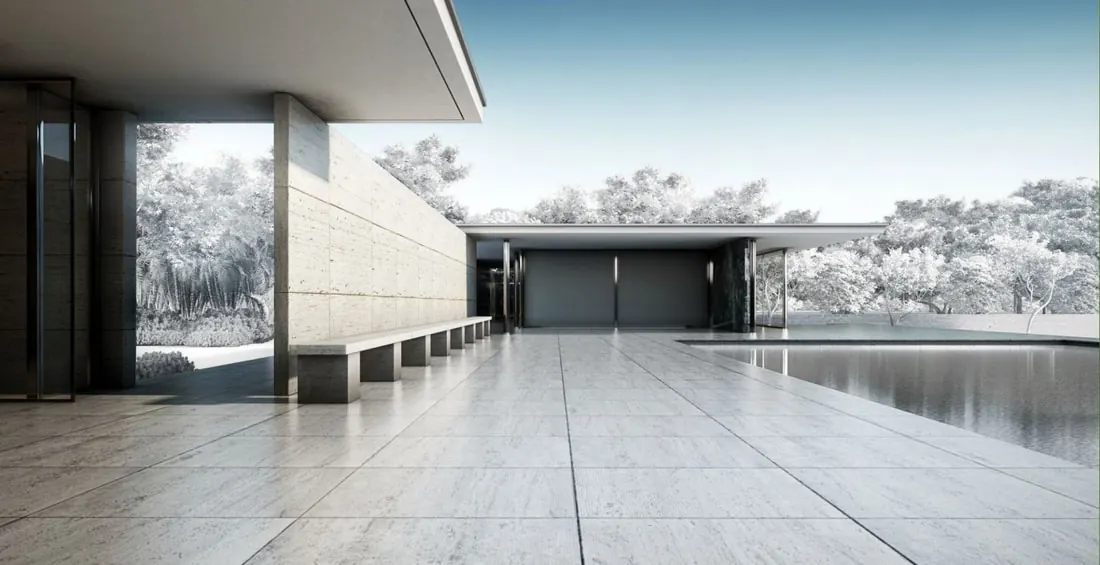
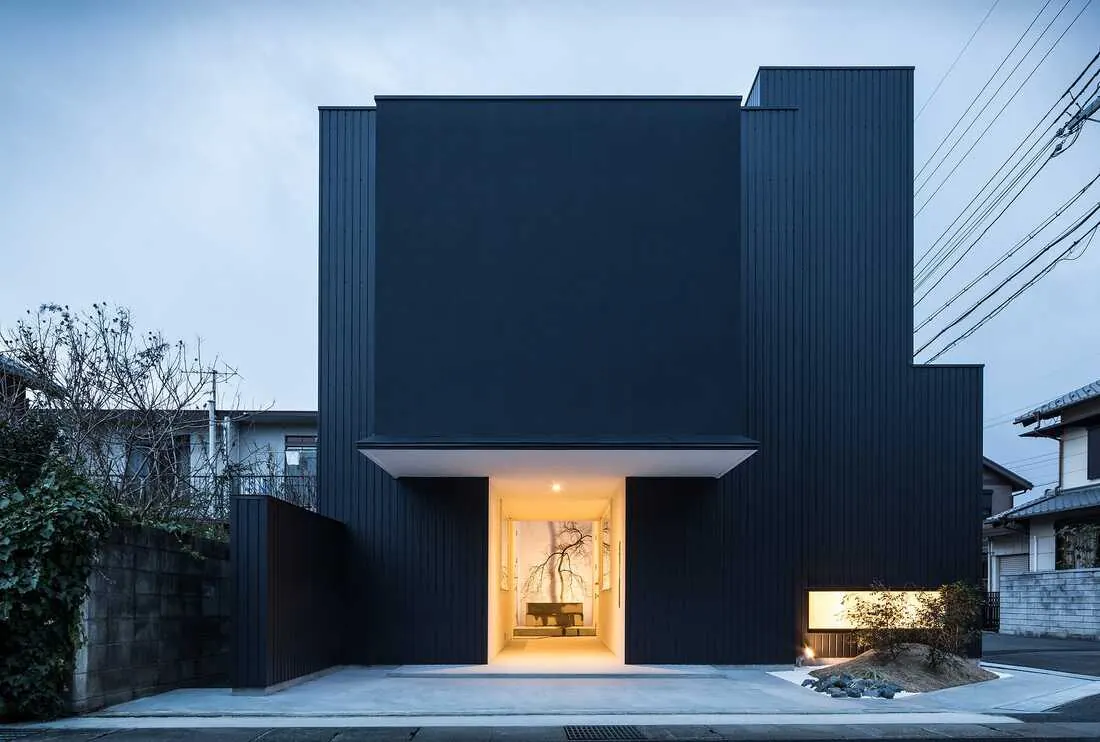
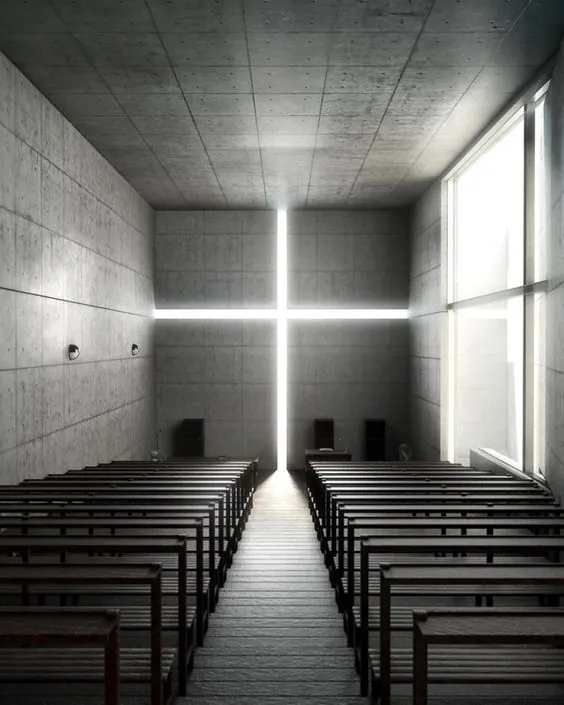
This style reduces architecture to its essentials. Its vocabulary includes reduction, clean lines, and serenity. The design philosophy strips away all non-essential elements to focus on the experience of space, volume, and light. Surfaces are plain and materials are limited to a restrained palette, such as polished concrete, glass, and smooth wood, often in monochromatic schemes. The result is a sense of calm and order.
Example: The Church of the Light in Osaka uses simple concrete forms and precise openings to create a spiritual space defined by shadows and light.
Example: The Church of the Light in Osaka uses simple concrete forms and precise openings to create a spiritual space defined by shadows and light.
   |
 |
Deconstructivism
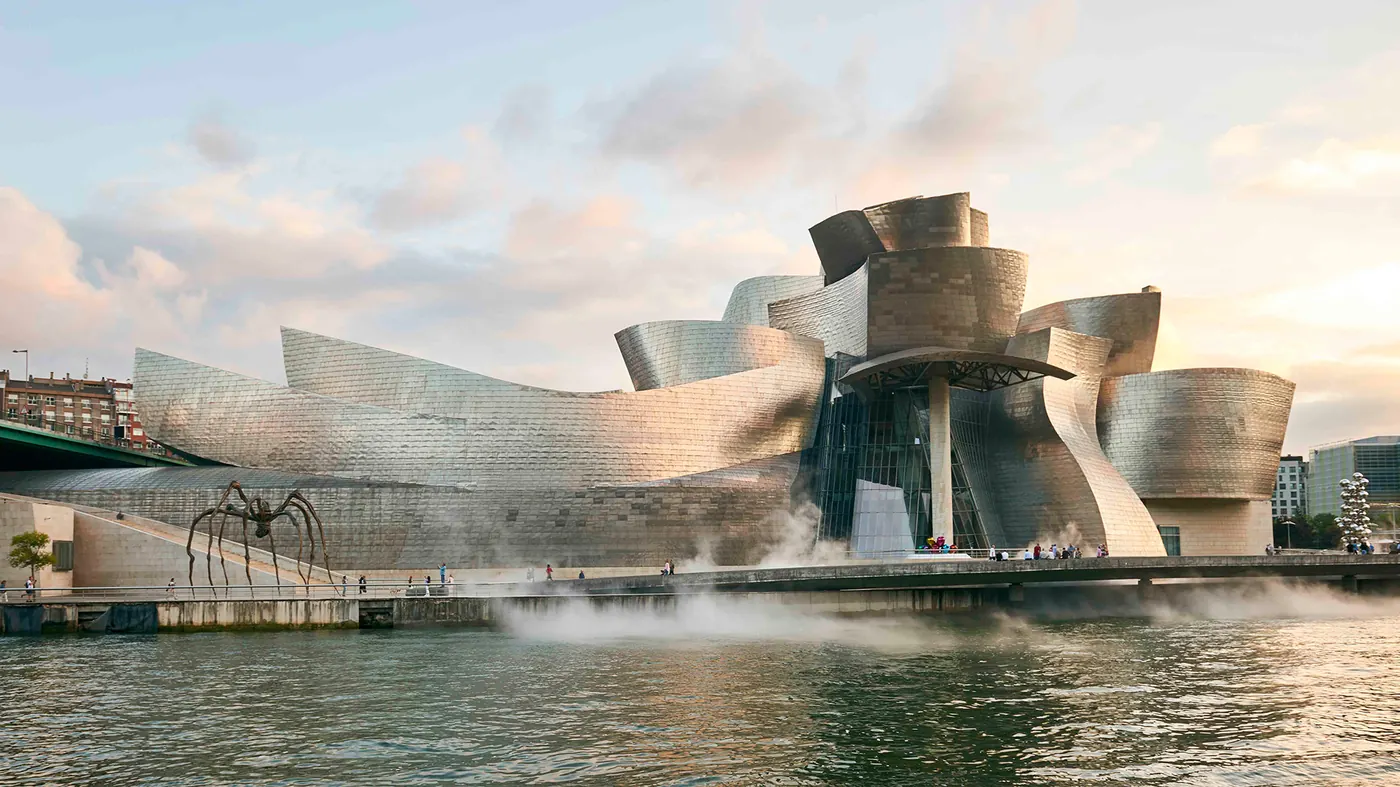
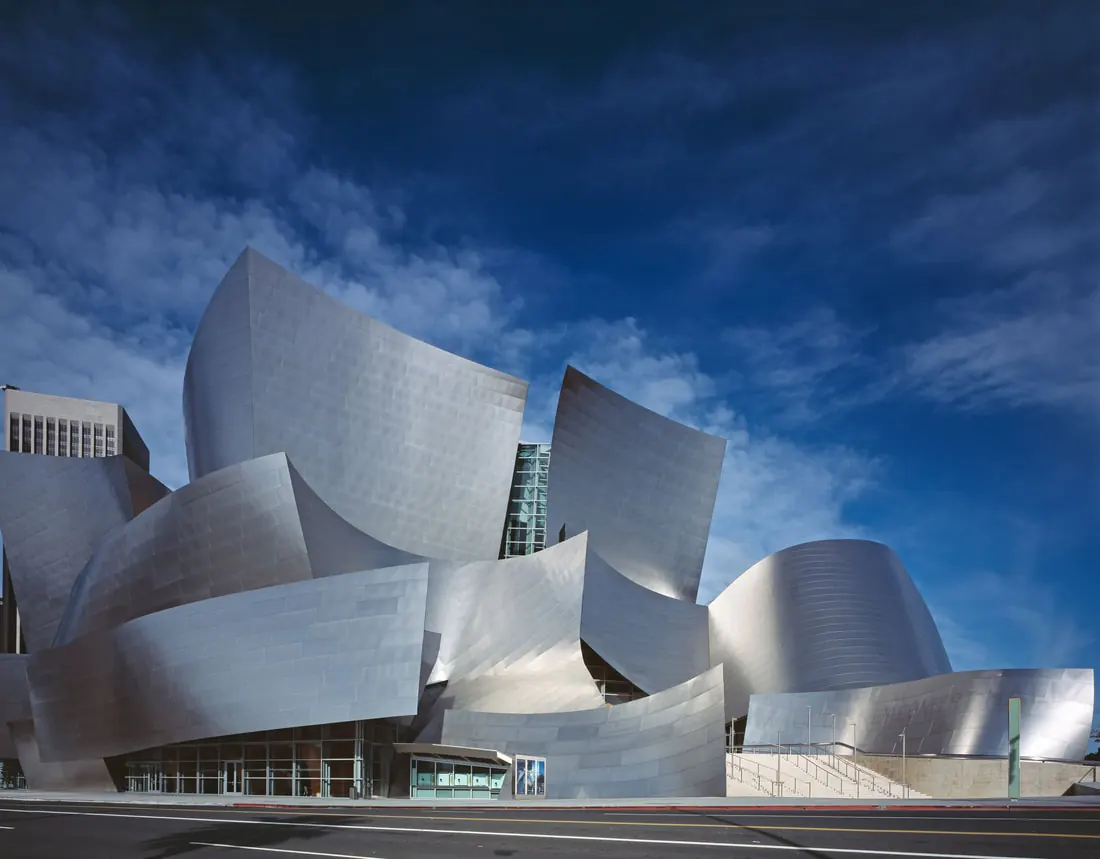
This style challenges traditional architectural ideas. Its vocabulary involves fragmentation, distortion, and asymmetry. Buildings appear unstable or chaotic, employing non-rectilinear shapes and colliding geometries. The philosophy explores complexity and contradiction, deliberately disrupting expected forms to create dynamic, often disorienting structures. Materials are used in unexpected combinations, like titanium panels alongside glass and stone.
Example: The Guggenheim Museum Bilbao is famous for its swirling, titanium-clad forms that defy conventional geometry.
Example: The Guggenheim Museum Bilbao is famous for its swirling, titanium-clad forms that defy conventional geometry.
 |
  |
Part 2: Imagining Future Spaces
Having explored historical and modern architectural philosophies, we can now apply their principles to imagine the cities of tomorrow. Future city design often draws from these established vocabularies while introducing new considerations like advanced technology, environmental adaptation, and social evolution. These speculative styles are not just about aesthetics; they propose different ways of living and interacting with our environment.
The Cyberpunk Style
This vision presents a dense, layered metropolis defined by vertical megastructures and saturated neon light. The aesthetic embraces a clash of scales, where sleek corporate towers rise above crowded, gritty streets. The philosophy explores themes of technological integration and social inequality, creating an environment of constant visual and informational overload. It often combines the structural logic of the Chicago School with the raw materiality of Brutalism.
  |
 |
The Utopian / Ecological Style
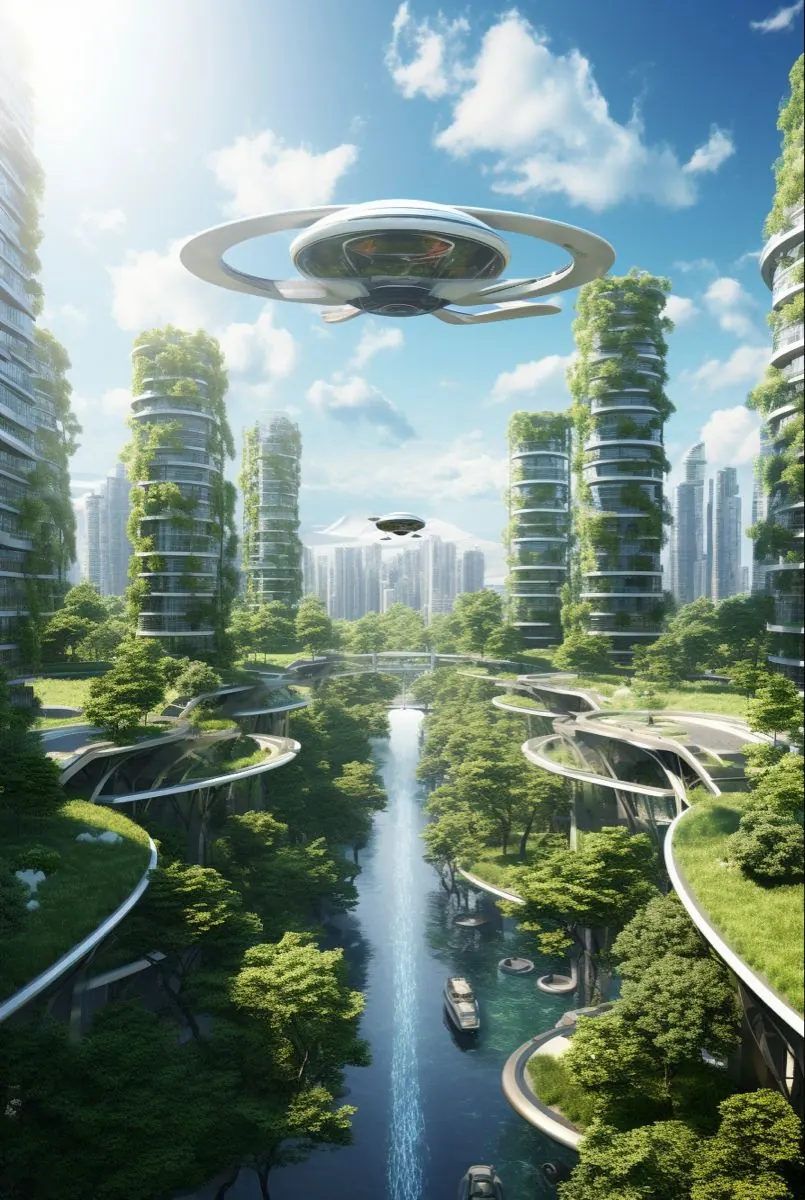
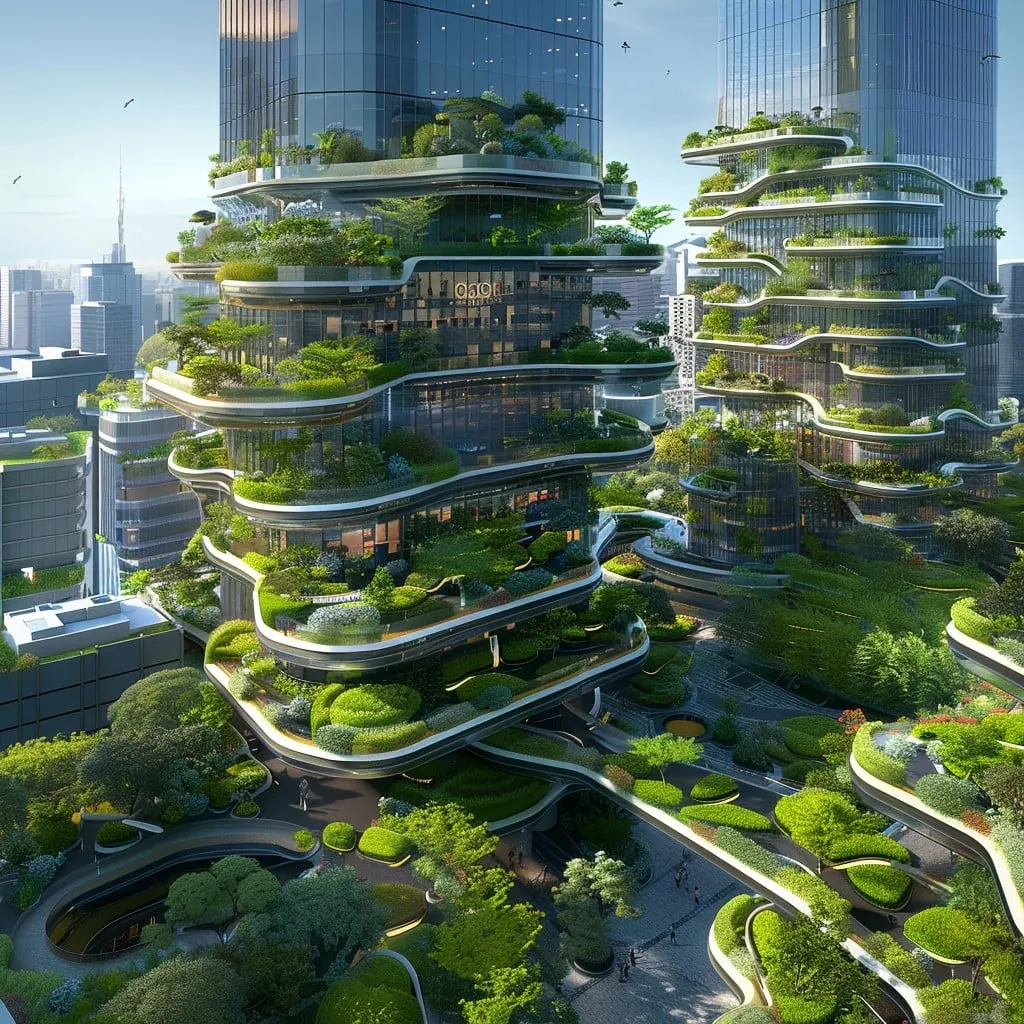
In contrast, this approach imagines cities in harmony with nature. The vocabulary focuses on sustainability, biophilia, and green infrastructure, featuring buildings with living walls and integrated ecosystems. The philosophy prioritizes environmental stewardship and collective well-being, using organic forms and clean technology to create seamless connections between urban life and the natural world.
  |
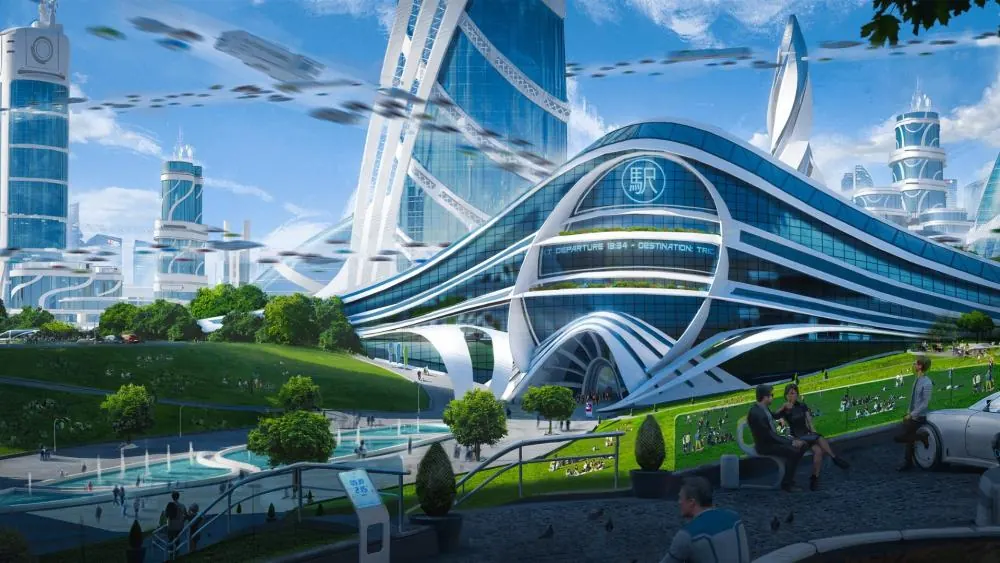 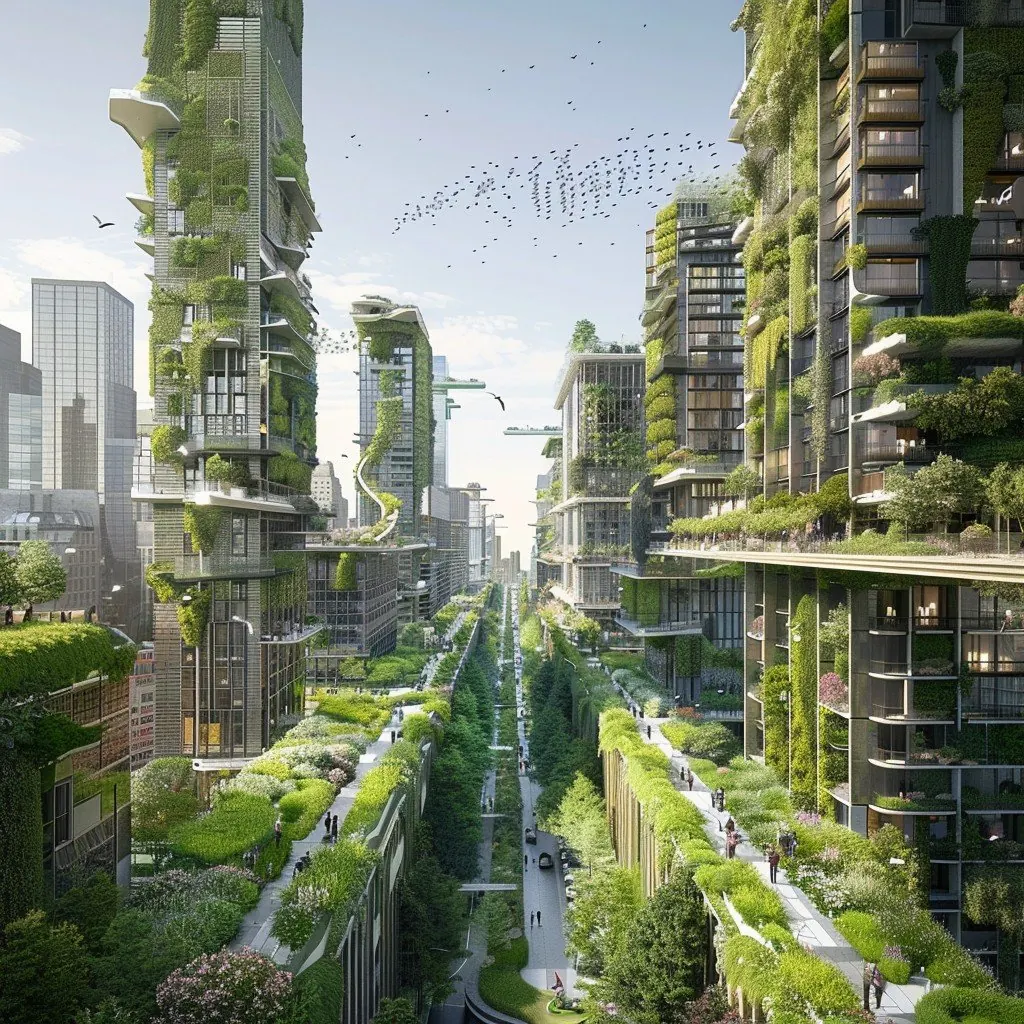 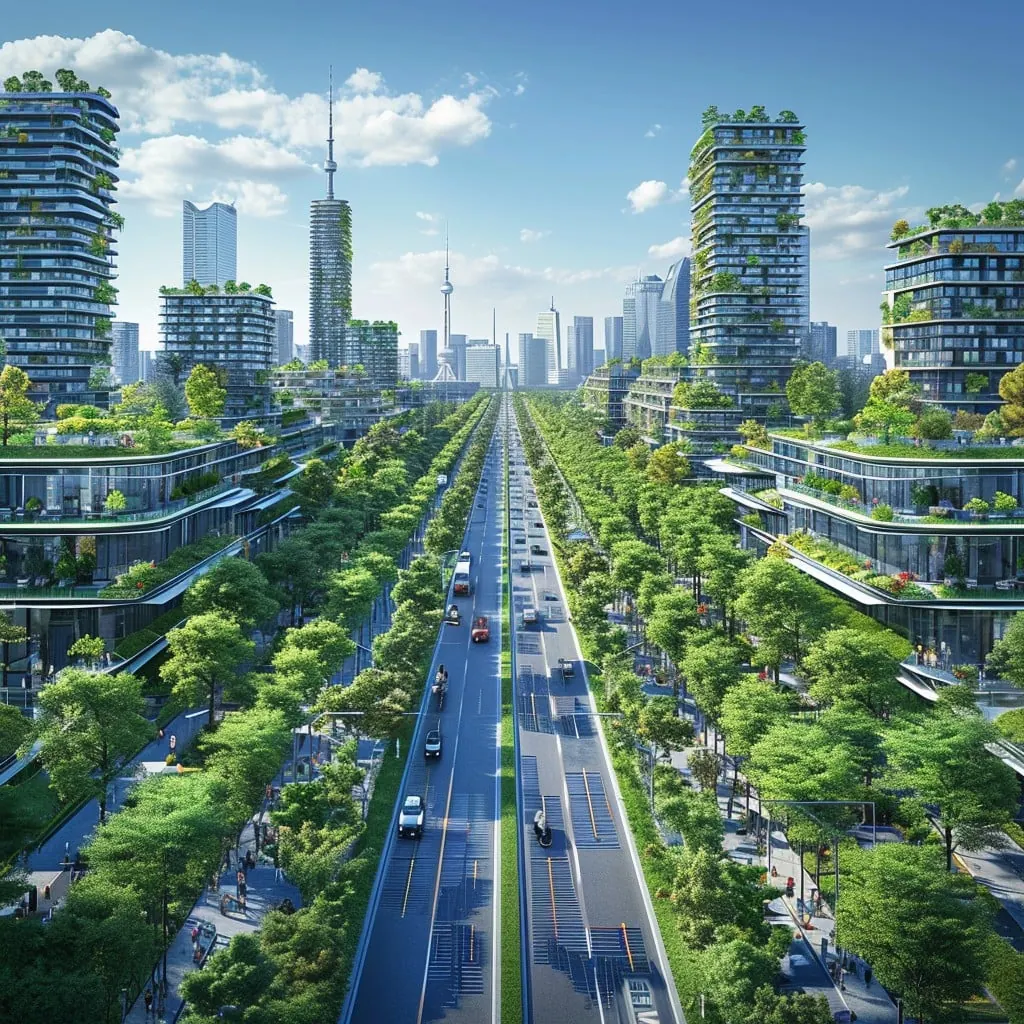 |
The Space Colony Style
Designing for environments like the Moon or Mars introduces unique constraints. The vocabulary shifts to pressurization, radiation shielding, and closed-loop systems. Architecture is typically modular and subsurface for protection, with every element serving a critical life-support function. The aesthetic blends Brutalist robustness with extreme functionality, adapted for survival in an alien setting.
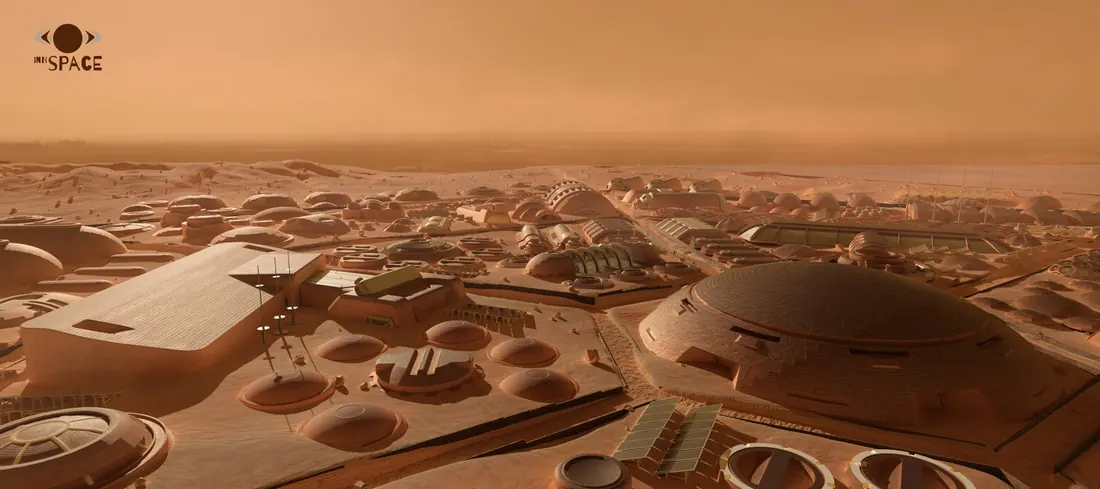

Now that you have a vocabulary of styles, from the ornate to the raw, you can use these ideas in your own models. Will you design a utopian city with green, harmonious buildings? A realistic structure focused on sustainability? Or a cyberpunk landscape of dense, layered megastructures? Understanding these design philosophies gives you the tools to make intentional choices and bring your architectural vision to life.