Maintaining a home in Space
Constructing and maintaining a space station is one of the most challenging engineering projects ever undertaken. A station must be built and maintained while orbiting Earth at high speed, where every component must fit precisely and function reliably in microgravity. Both human astronauts and robotic systems contribute to this process.
The International Space Station (ISS) was assembled over more than two decades through the cooperation of multiple countries, including the United States, Russia, Japan, Canada, and European partners. More than 160 spacewalks were required to connect electrical cables, install modules, and position solar arrays. Each EVA could last six to eight hours, with astronauts handling specialized tools designed for use in pressurized gloves.
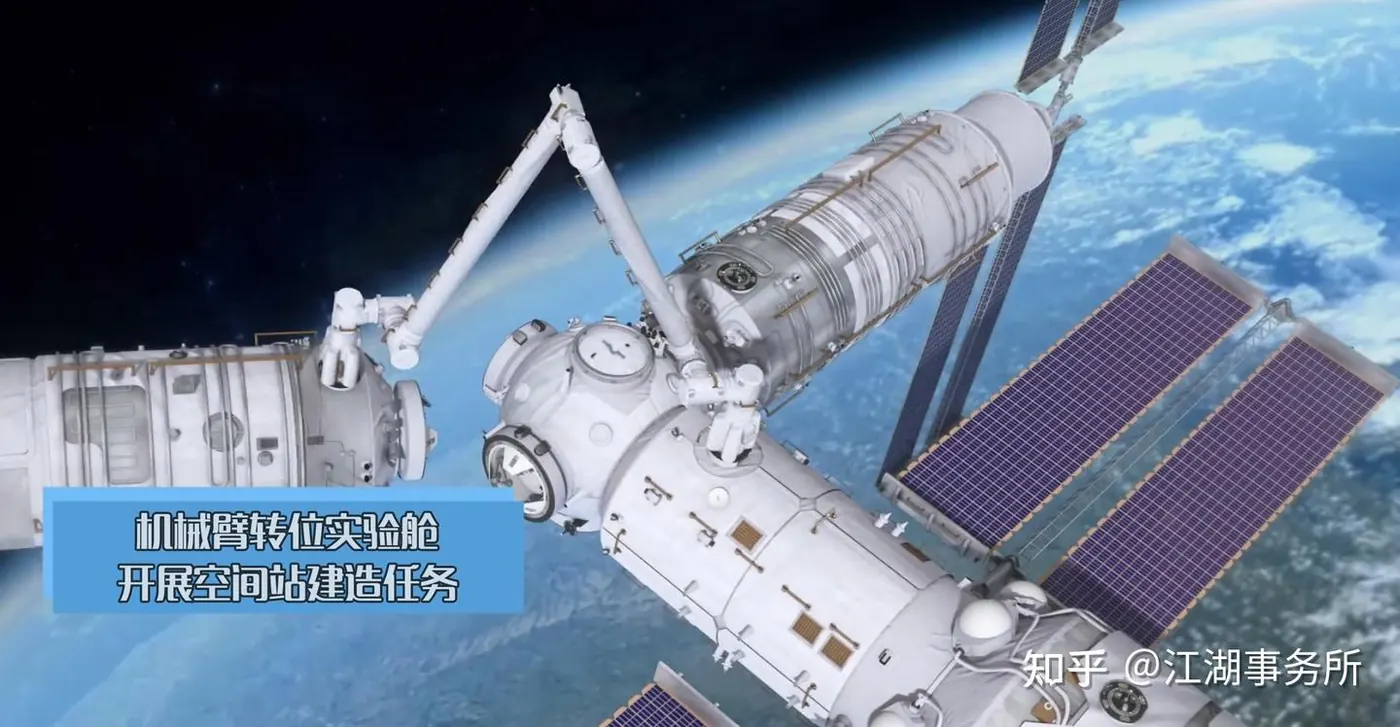
China’s Tiangong space station was constructed in just under 2 years with 11 launch missions. By joining the Tianhe core module with the Wentian and Mengtian laboratory modules, through a combination of astronaut EVAs and robotic arm operations, the space station was constructed in record time. During these missions, taikonauts repositioned the modules, installed cameras, antennas, and scientific payloads while working alongside robotic systems that helped align and move large components.
The International Space Station (ISS) was assembled over more than two decades through the cooperation of multiple countries, including the United States, Russia, Japan, Canada, and European partners. More than 160 spacewalks were required to connect electrical cables, install modules, and position solar arrays. Each EVA could last six to eight hours, with astronauts handling specialized tools designed for use in pressurized gloves.
China’s Tiangong space station was constructed in just under 2 years with 11 launch missions. By joining the Tianhe core module with the Wentian and Mengtian laboratory modules, through a combination of astronaut EVAs and robotic arm operations, the space station was constructed in record time. During these missions, taikonauts repositioned the modules, installed cameras, antennas, and scientific payloads while working alongside robotic systems that helped align and move large components.
Extravehicular Activities (EVAs)
|
Extravehicular activities, or spacewalks, allow astronauts to assemble, inspect, and repair the exterior of space stations. Operating outside a spacecraft presents several challenges—there is no atmosphere, large temperature swings occur between sunlight and shadow, and even small movements must be carefully controlled in microgravity.
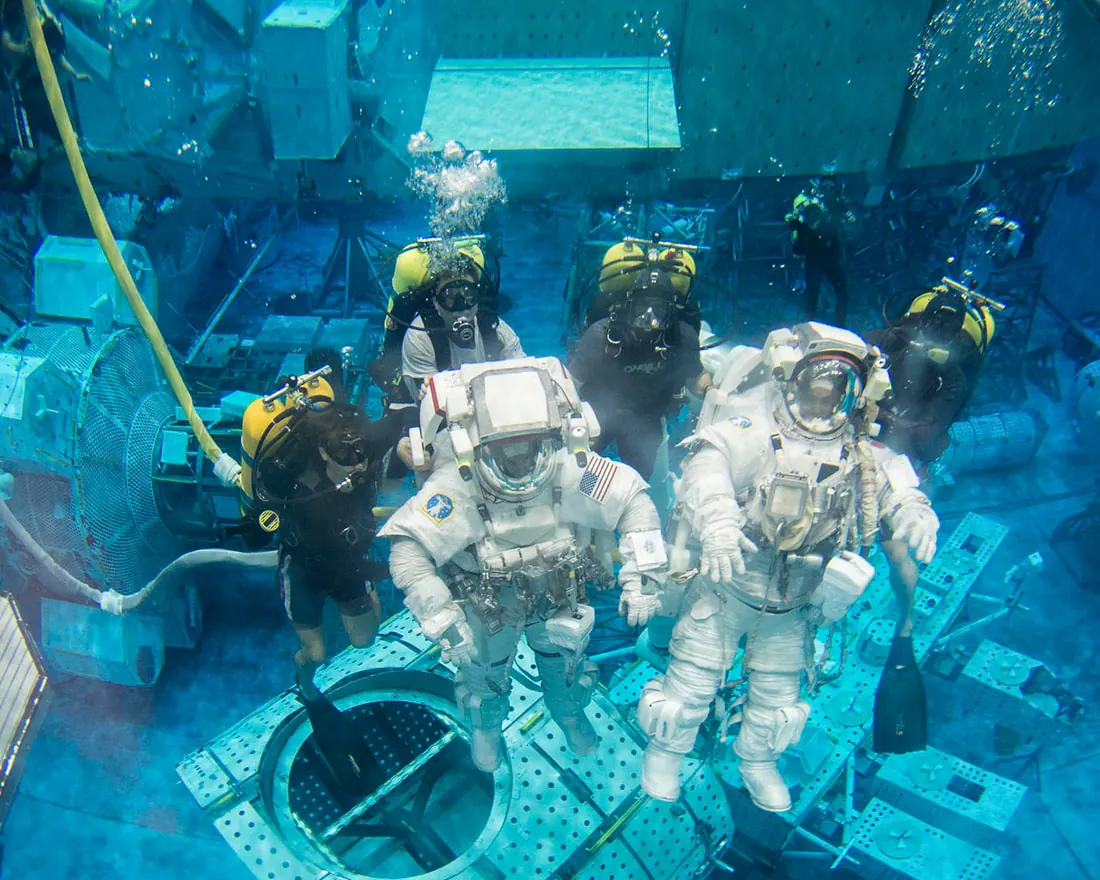
To prepare for such conditions, astronauts train in large water tanks on Earth, known as neutral buoyancy laboratories, which simulate the feeling of weightlessness. Their suits provide oxygen, temperature control, and protection from radiation and micrometeoroids. Tools are tethered to prevent them from floating away. |
 |
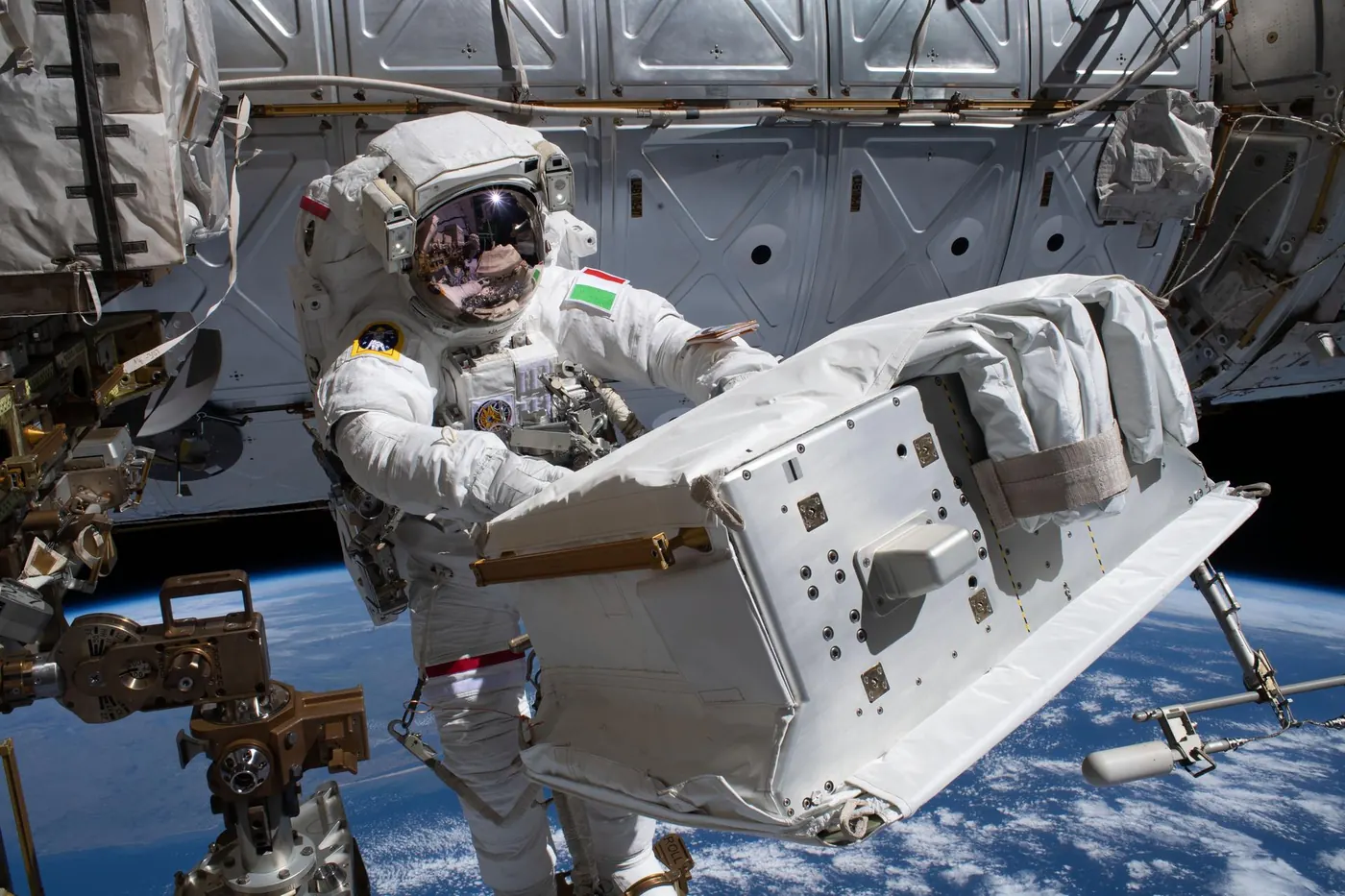
During the assembly of the International Space Station (ISS), EVAs were conducted for connecting modules and installing external components. Astronauts have performed hundreds of spacewalks for tasks like replacing batteries that store power from the solar arrays, installing protective shielding, and upgrading external camera systems. An example of repair work was the series of spacewalks to repair the Alpha Magnetic Spectrometer (AMS), a particle physics experiment on the ISS, which involved cutting coolant tubes and installing a new cooling system.
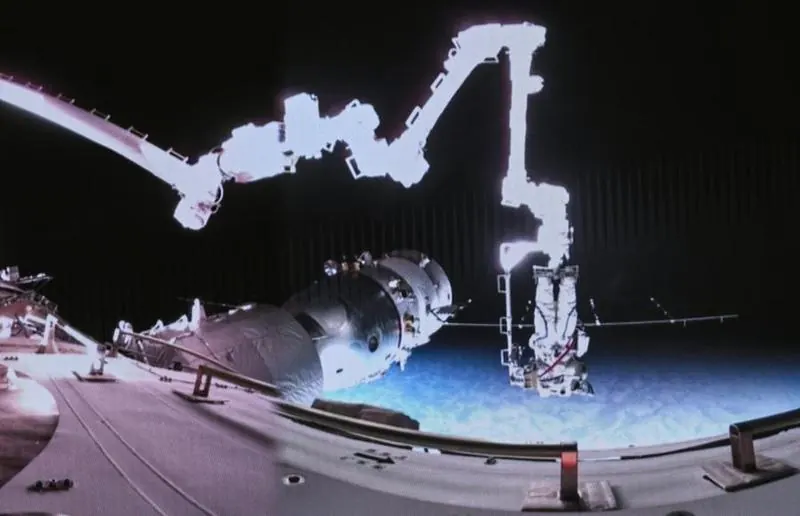
Similarly, on China's Tiangong space station, the crew of the Shenzhou-19 mission conducted spacewalks. The mission was to install the final pieces of space debris protective shielding on the Wentian module to enhance protection. The Feitian spacesuits used on Tiangong have demonstrated high reliability during many missions. These EVAs involve routine inspection of extravehicular equipment and systems, sometimes with the astronaut riding the station's robotic arm to reach specific locations.
Robotic Arms
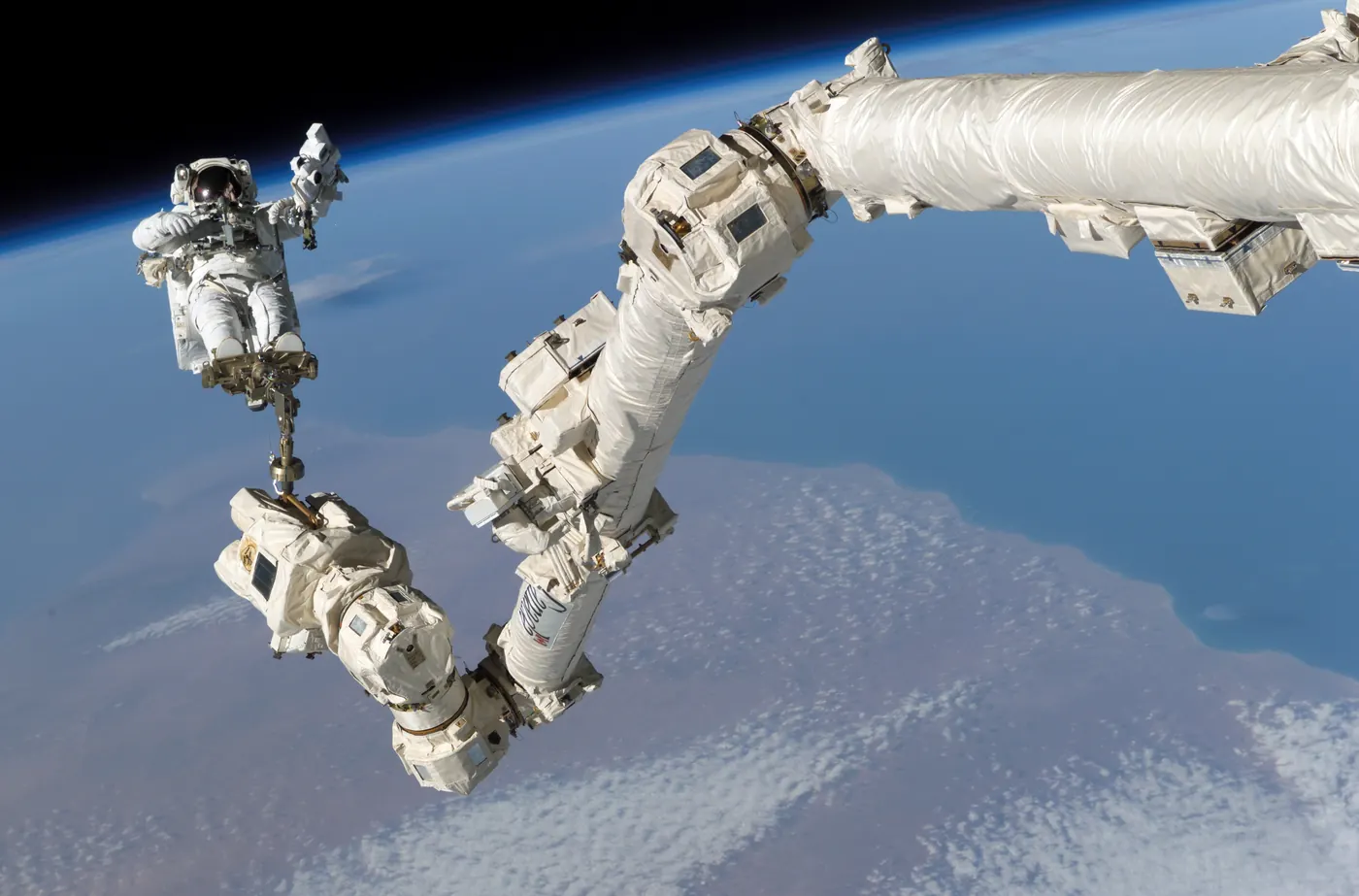
The Canadarm2, built by Canada, is one of the most recognizable features of the ISS. Measuring 17.6 meters long,the arm can lift objects weighing up to 116 ton and position them with remarkable precision. Its seven joints provide flexible movement similar to a human arm, while built-in cameras and lights allow for close-up inspection.
|
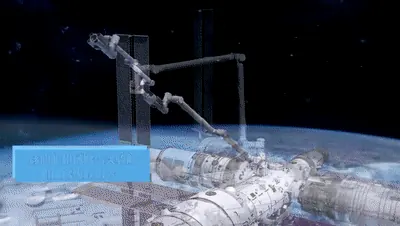
The Chinese Tiangong space station has a Dual-Arm System. The main arm, often called the Chinarm, measures about 10.2 meters and has seven degrees of freedom. It can “walk” across the station’s surface by anchoring itself to different attachment points, allowing it to reach almost any location. It can also connect to the small arm, extending the total length. With a lifting capacity of 25 tons, the Chinarm handles large modules and assists taikonauts during EVAs.
A smaller auxiliary arm, around 5 meters in length, can work in coordination with the main arm or operate independently. Together, they form a dual-arm system capable of performing simultaneous tasks—such as holding two components at once—or providing backup during maintenance. |
 |
 |
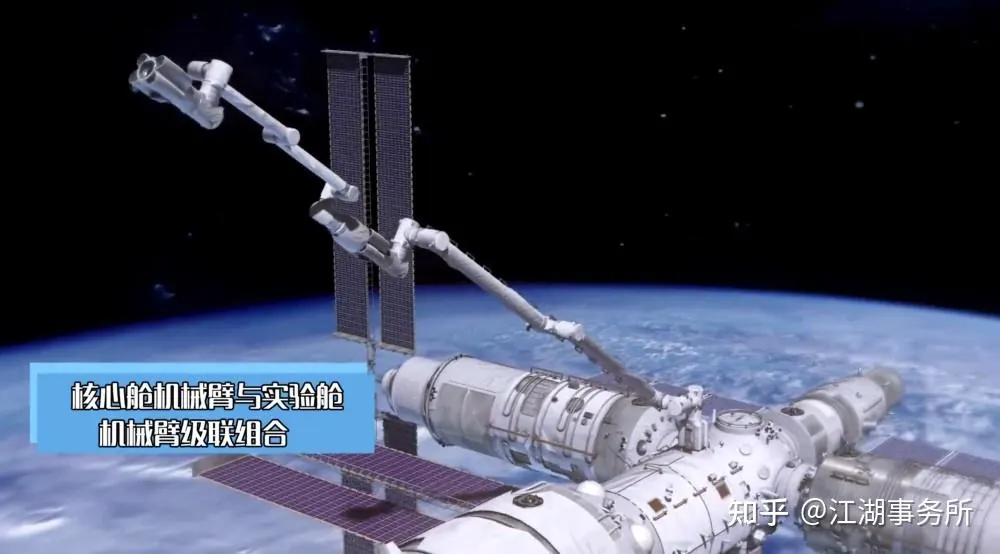 |
The arm’s ends can attach to “target adapters” positioned across the station’s surface. Each adapter contains a capture pin and three slanted rods to secure the arm, along with electrical and data interfaces that enable power and video transmission. This design allows the Chinarm to “walk” across the station’s exterior, providing access to almost every location—a feature not available on the ISS arms.