Stellar evolution
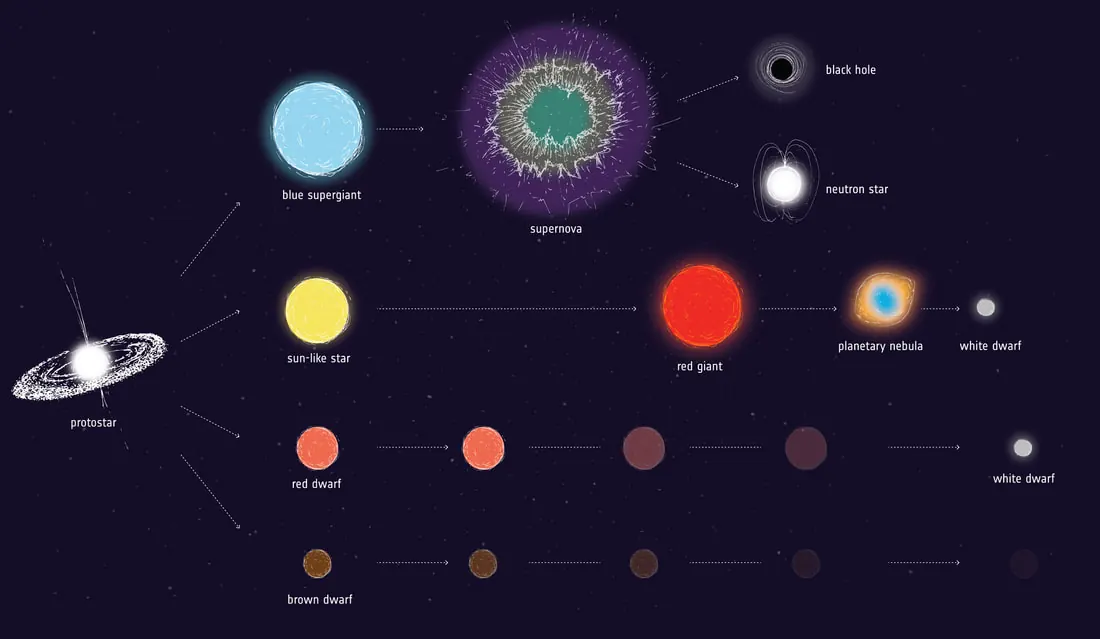
Stars follow different evolutionary pathways depending mainly on their initial mass, so objects born in the same stellar nursery can grow old in very different ways. These paths range from quiet cooling to dramatic explosions that leave behind some of the densest objects in the universe.
- Some proto-stars end up as brown dwarfs, with too little mass for their cores to reach the temperature and pressure needed for sustained hydrogen fusion. They shine only from leftover heat released during contraction and gradually cool and fade, bridging the gap between planets and true stars.
- Low-mass stars known as red dwarfs burn hydrogen very slowly, using convection to mix fresh fuel into their cores. Their lifetimes are predicted to last trillions of years, and when their fuel eventually runs down, they are expected to contract and become faint white dwarfs without ever becoming red giants.
- Stars with masses similar to the Sun spend billions of years on the main sequence before their cores run out of hydrogen and contract while their outer layers expand into a red giant. They shed these outer layers as a glowing planetary nebula, leaving a dense carbon–oxygen white dwarf that slowly cools over time.
- Massive stars like the blue supergiants evolve much more rapidly, building up heavier and heavier elements in their cores until they form an iron core that can no longer release energy by fusion. The core then collapses and the outer layers are blown off in a core-collapse supernova or, for some extreme cases, a gamma-ray burst, leaving behind either a neutron star or a black hole depending on the remaining core mass.
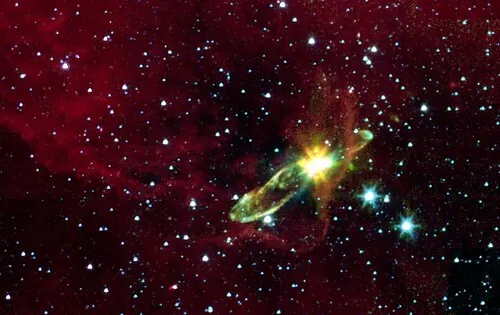
Protostar in Herbig-Haro 46/47
Our Sun's Life on the Main Sequence
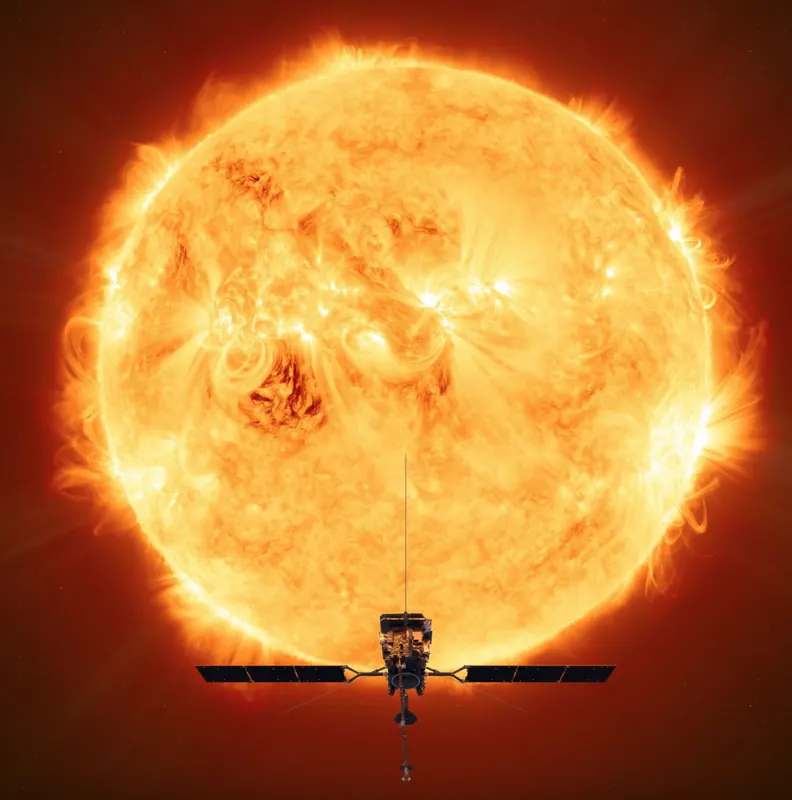
Once a star like our Sun is born, it enters a long and stable period of its life known as the Main Sequence. During this phase, the star is in a perfect state of balance. Deep inside its core, the star performs a brilliant balancing act where the inward pull of gravity is pushed back by the outward pressure of Nuclear Fusion. For billions of years, the star steadily converts hydrogen into helium, creating the constant stream of light and heat that sustains planetary systems. This is the longest stage of a star’s life, representing a time of cosmic maturity and steady energy.
Running Out of Fuel: The Red Giant Phase
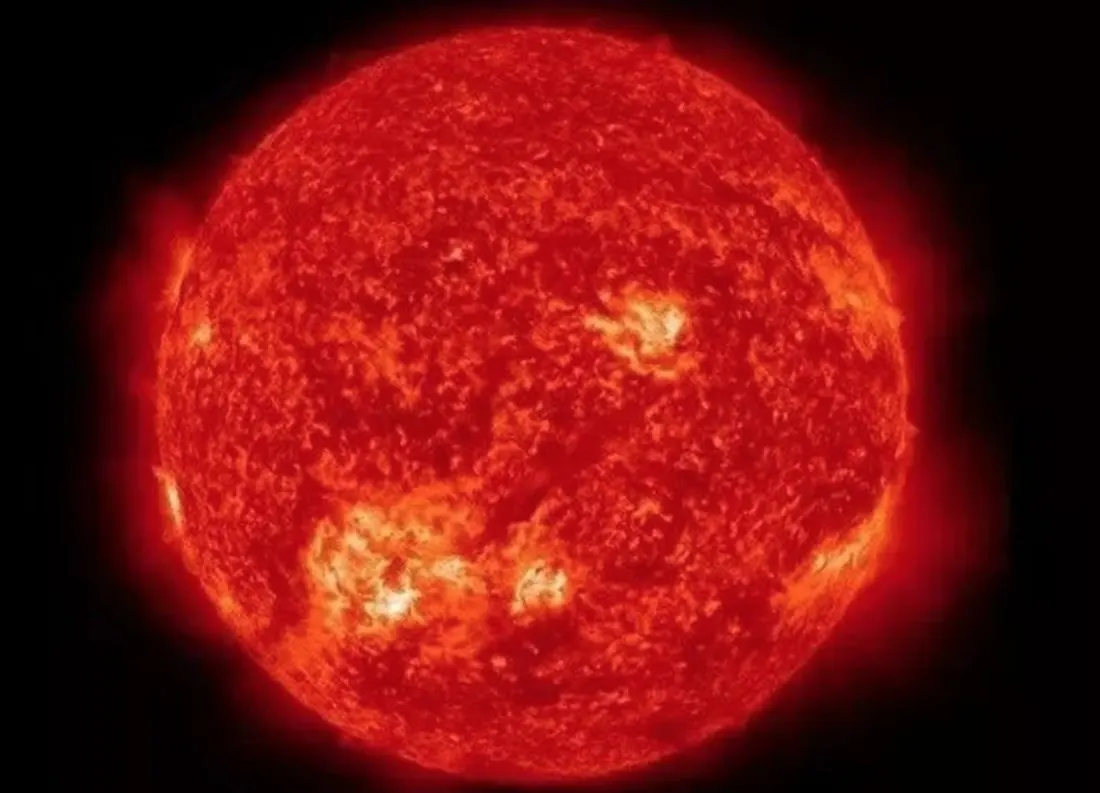
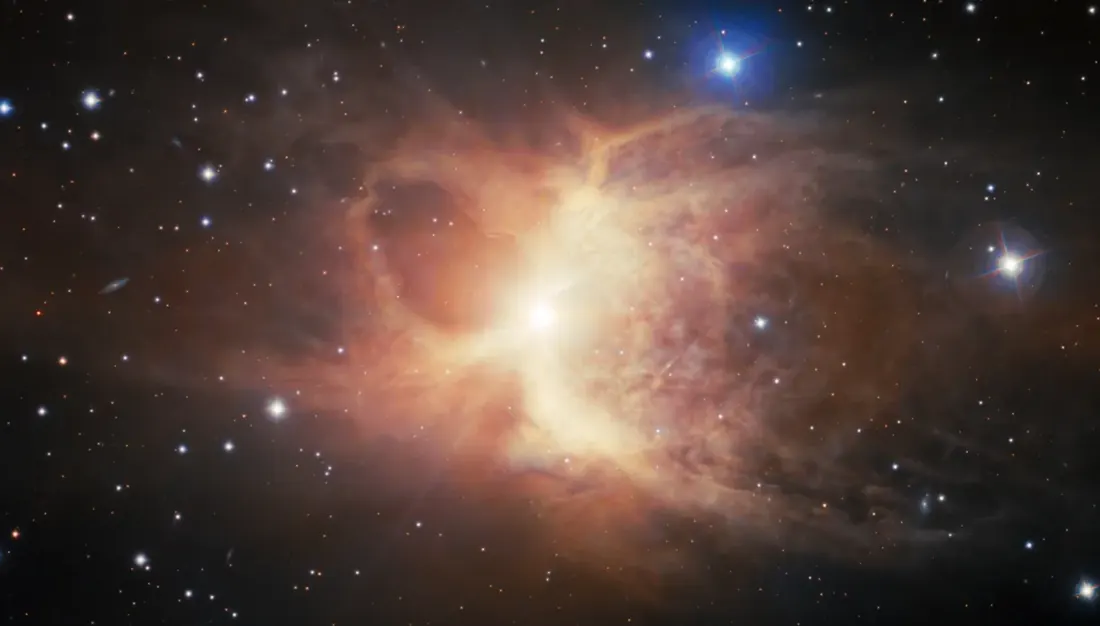
Nothing lasts forever, not even the fuel inside a star. Eventually, the supply of hydrogen in the core begins to run low. When this happens, the perfect balance is broken and the star begins to change its shape. The core shrinks and heats up, causing the outer layers of the star to expand outward into space. As the star grows much larger, it also cools down, changing its color from yellow to a deep, glowing red. At this stage, the star is known as a Red Giant. It is now so large that it would easily swallow up the inner planets of its own solar system.
The Final Breath: Planetary Nebulae
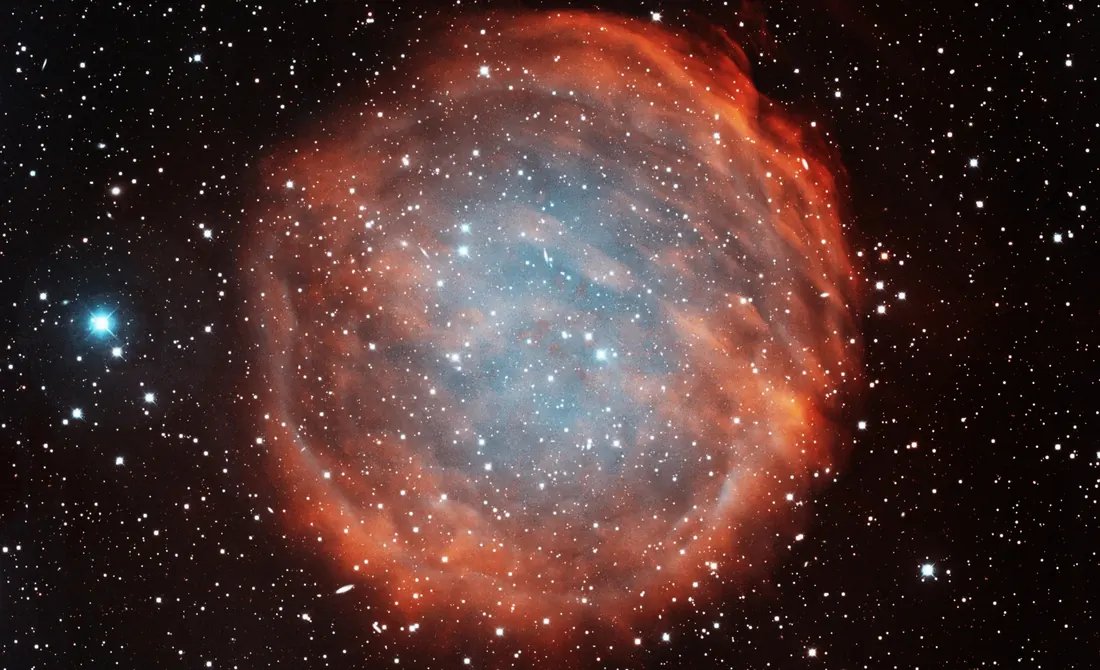
As the Red Giant reaches the end of its transformation, it can no longer hold onto its outer layers. These layers are gently puffed out into space, creating a beautiful and colorful shell of gas called a Planetary Nebula. Despite the name, these have nothing to do with planets; they are actually the "ghosts" of dying stars. These glowing clouds drift through the galaxy, carrying heavy elements that will eventually be recycled into new stars and planets. This process represents the star’s final gift to the universe, spreading the materials necessary for future cosmic structures.
 |
 |
The Silent Core: The White Dwarf
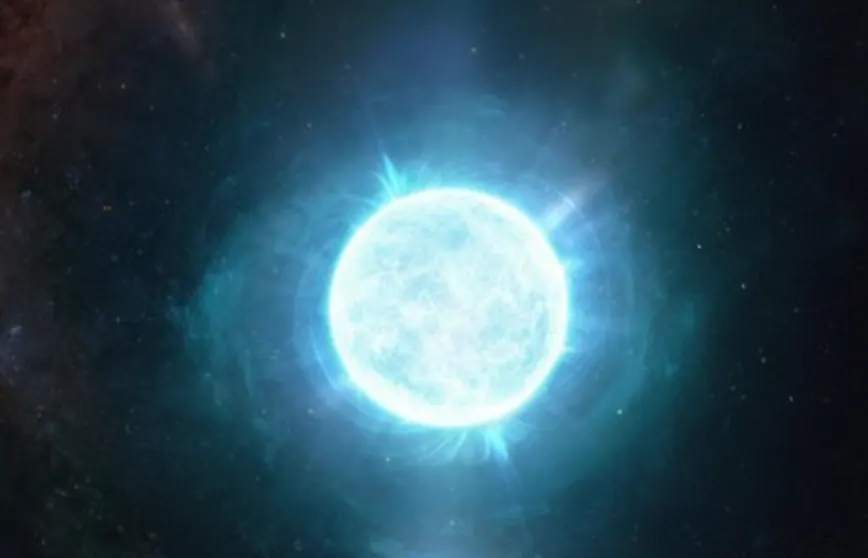
While the outer layers drift away, all that remains of the original star is its tiny, extremely hot core. This leftover object is called a White Dwarf. It is roughly the size of the Earth but contains as much mass as a whole sun, making it incredibly dense. A single teaspoon of White Dwarf material would weigh as much as an elephant! Without any fuel left to burn, the White Dwarf does not create new energy. Instead, it spends the rest of eternity slowly cooling down in the darkness of space, serving as a silent glowing ember of the magnificent star it once was.
The Final Frontier: The Path to Black Holes
It is a common question to wonder if every star becomes a black hole, but for stars like our Sun, the journey actually ends at the White Dwarf stage. Black holes are the result of a much more intense process involving only the most massive stars in the universe.
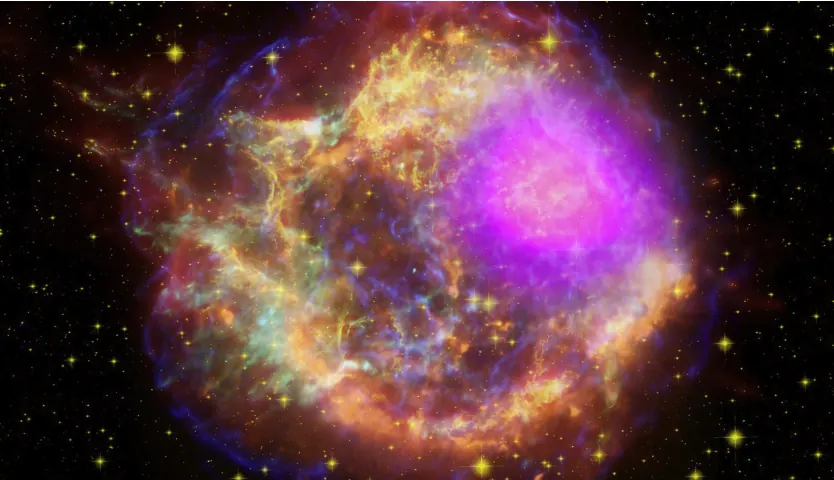
Whether a star becomes a black hole or a white dwarf depends entirely on its starting mass. Stars like our Sun are considered "low to medium mass" stars. They do not have enough gravitational strength to collapse into anything smaller than a White Dwarf. To create a black hole, a star must be at least 10 to 20 times more massive than our Sun. These celestial giants live fast and die young, ending their lives in a dramatic and violent explosion called a Supernova rather than the gentle puff of a planetary nebula.
Whether a star becomes a black hole or a white dwarf depends entirely on its starting mass. Stars like our Sun are considered "low to medium mass" stars. They do not have enough gravitational strength to collapse into anything smaller than a White Dwarf. To create a black hole, a star must be at least 10 to 20 times more massive than our Sun. These celestial giants live fast and die young, ending their lives in a dramatic and violent explosion called a Supernova rather than the gentle puff of a planetary nebula.
The Ultimate Collapse
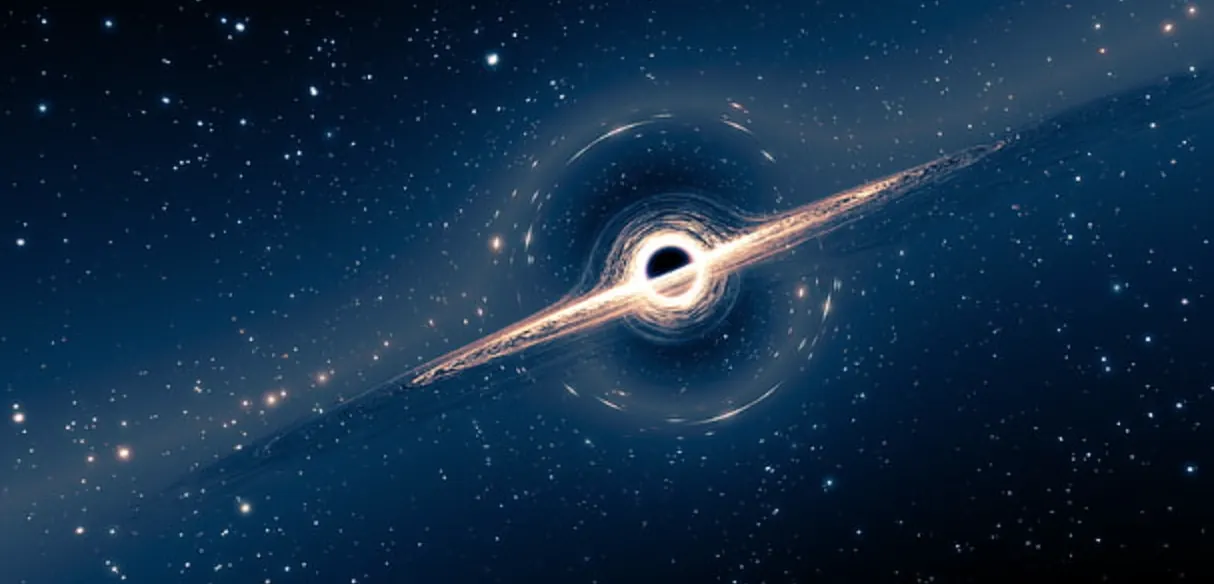
In these massive stars, the core collapse is so powerful that it doesn't stop at the size of the Earth. Gravity is so overwhelming that it crushes the remaining matter down into an infinitely small point. This creates a region of space where gravity is so strong that nothing, not even light, can escape its pull. While our Sun will leave behind a glowing White Dwarf, these massive giants leave behind a "hole" in the fabric of space-time.
Recycling the Universe
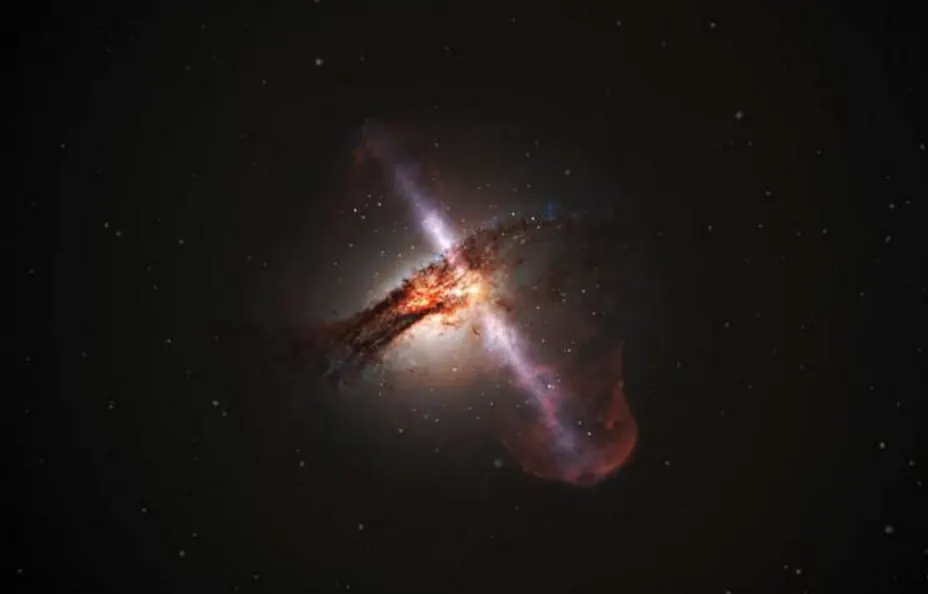
Even though black holes are famous for "trapping" things, the death of massive stars is actually what seeds the universe with heavy elements like gold and iron. Just like the planetary nebulae from smaller stars, the explosions that lead to black holes spread essential materials across the galaxy. This ensures that while one star's life ends in a dark collapse, it provides the ingredients for new solar systems to form elsewhere.
The Grand Cycle of Stellar Destiny
The death of a star is never truly an ending but a profound transformation that reshapes the cosmos. By studying the different paths stars take, from the stable Main Sequence to the formation of a White Dwarf or the collapse into a Black Hole, we learn how energy and matter are recycled across the galaxy. Whether a star ends its life as a glowing ember or a mysterious point of infinite gravity, it contributes to the grand timeline of our universe.
The gases released in a planetary nebula and the heavy elements forged in a supernova provide the essential seeds for the next generation of celestial wonders. Understanding this lifecycle allows us to see our own Sun’s place in this vast system and the inevitable journey that every star must take. From the quiet transition of sun-like stars to the dramatic fate of massive giants, the life and death of stars ensure that the universe is constantly evolving and renewing itself.
The gases released in a planetary nebula and the heavy elements forged in a supernova provide the essential seeds for the next generation of celestial wonders. Understanding this lifecycle allows us to see our own Sun’s place in this vast system and the inevitable journey that every star must take. From the quiet transition of sun-like stars to the dramatic fate of massive giants, the life and death of stars ensure that the universe is constantly evolving and renewing itself.