A Dark and Quiet Universe
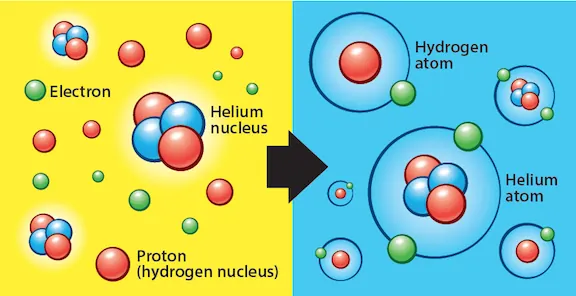
For a very long time after the Big Bang, the universe was a dark and quiet place. There were no stars, no galaxies, and no light to see by. The early universe was filled with a warm fog of hydrogen and helium gas, the simple elements created during its first few minutes. This gas was not spread evenly; some regions were slightly denser, like clouds gathering in the sky. These small clumps of gas were the seeds from which the first structures would grow.
The Pull of Gravity
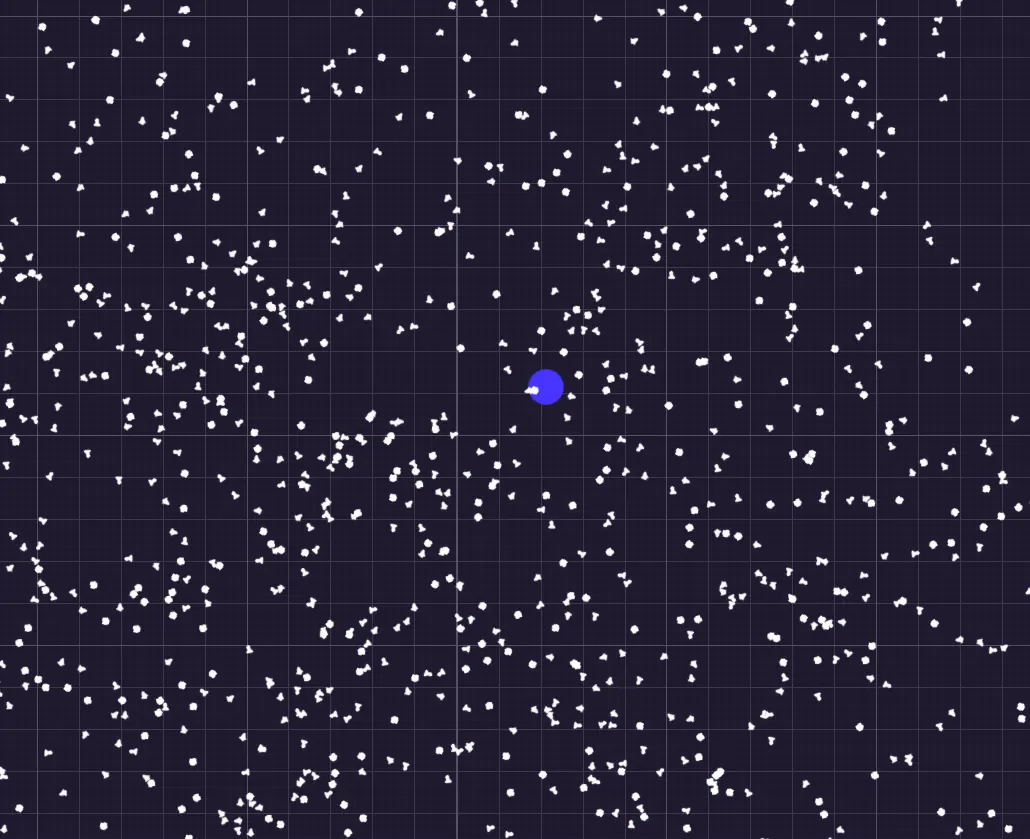
Gravity is a force that pulls things together. Over millions of years, gravity slowly began to pull the atoms in these denser gas clouds towards each other. As more and more gas gathered, these clouds became larger and denser. They began to collapse under their own weight, forming vast structures. This was the first step in building the universe we see today.
The Birth of the First Stars
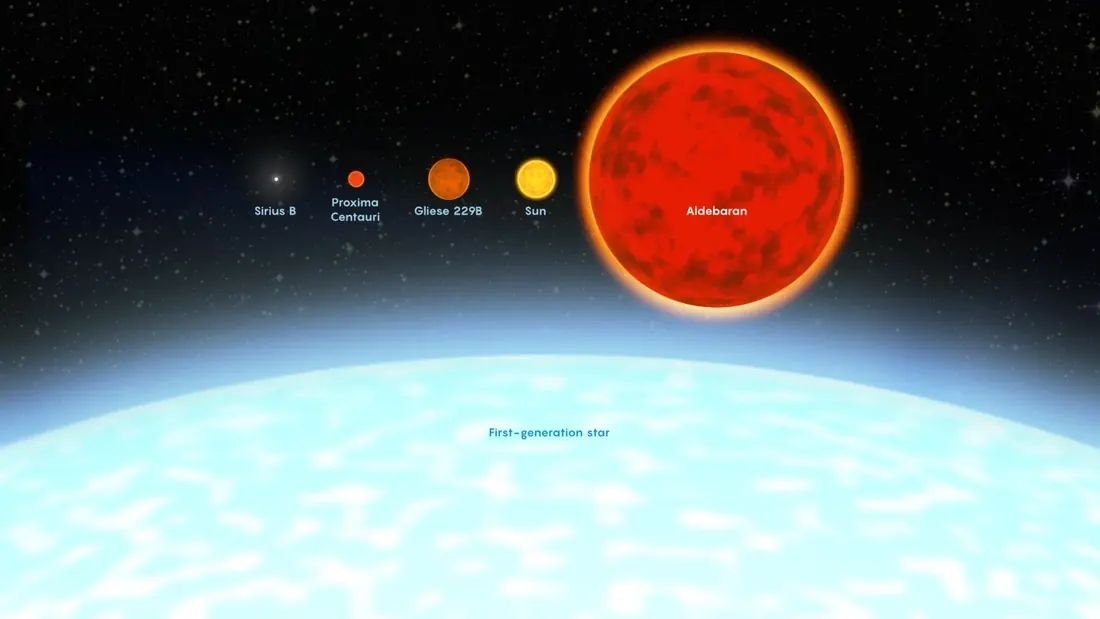
Deep inside these collapsing clouds of gas, the pressure and temperature became very high. When the conditions became just right, a new process began: nuclear fusion. In the core of these dense gas balls, hydrogen atoms were squeezed together with such force that they fused to form helium. This process released a tremendous amount of energy in the form of light and heat. The first stars ignited, and for the light from the first stars pierced the cosmic darkness.
These first stars were different from our Sun. They were likely much larger, hotter, and burned their fuel very quickly. Their lives were short, lasting only a few million years. When they died, they did so in spectacular explosions, scattering the new, heavier elements they had forged in their cores back into space. This enriched the surrounding gas, providing new raw materials for the next generation of stars
These first stars were different from our Sun. They were likely much larger, hotter, and burned their fuel very quickly. Their lives were short, lasting only a few million years. When they died, they did so in spectacular explosions, scattering the new, heavier elements they had forged in their cores back into space. This enriched the surrounding gas, providing new raw materials for the next generation of stars
The Gathering of Galaxies
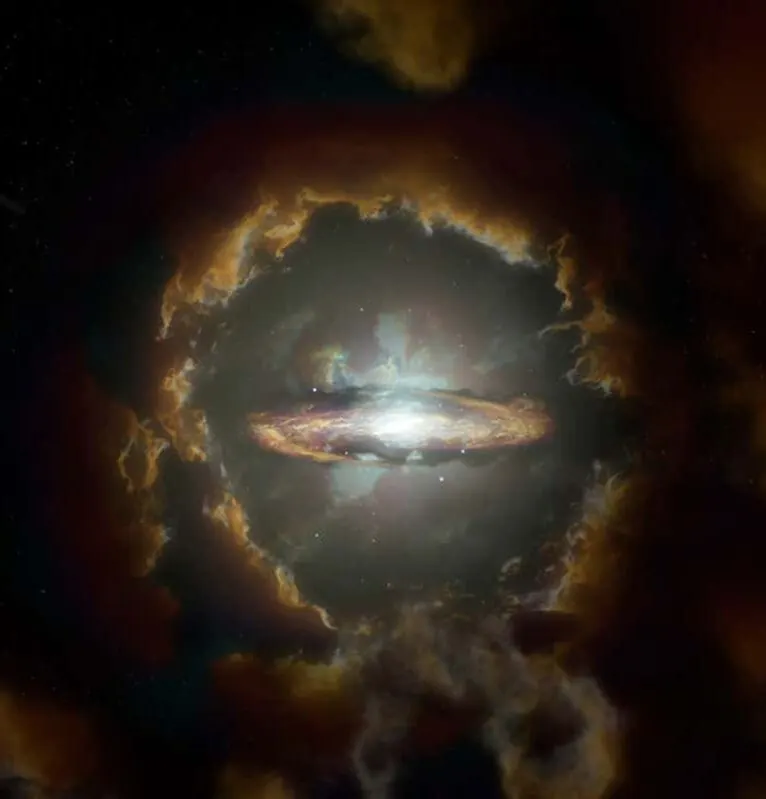
The same force of gravity that pulled gas together to form stars also began to pull the stars themselves together. Groups of stars, along with the remaining gas and dust, started to cluster into larger structures. These were the first galaxies. Inside them, the cycle of star birth, life, and death continued, slowly building a more complex and diverse universe.
This period, from the first glow of starlight to the assembly of the first galaxies, set the stage for everything that was to come, including eventually, our own Solar System and planet.
This period, from the first glow of starlight to the assembly of the first galaxies, set the stage for everything that was to come, including eventually, our own Solar System and planet.