When the Fog Clears
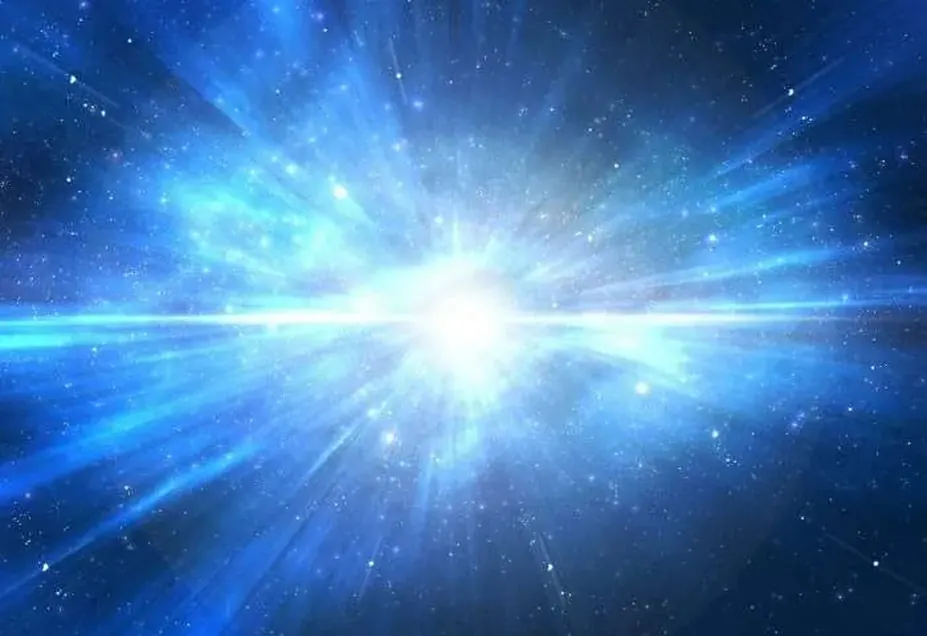
The Cosmic Microwave Background (CMB) is the oldest light in the universe, a direct relic from its hot, dense beginning. Roughly 380,000 years after the Big Bang, the expanding cosmos cooled sufficiently for electrons and protons to combine into neutral atoms, an event known as Recombination.
This transformation rendered the universe transparent, allowing the previously trapped primordiallight to stream freely across space.
This transformation rendered the universe transparent, allowing the previously trapped primordiallight to stream freely across space.
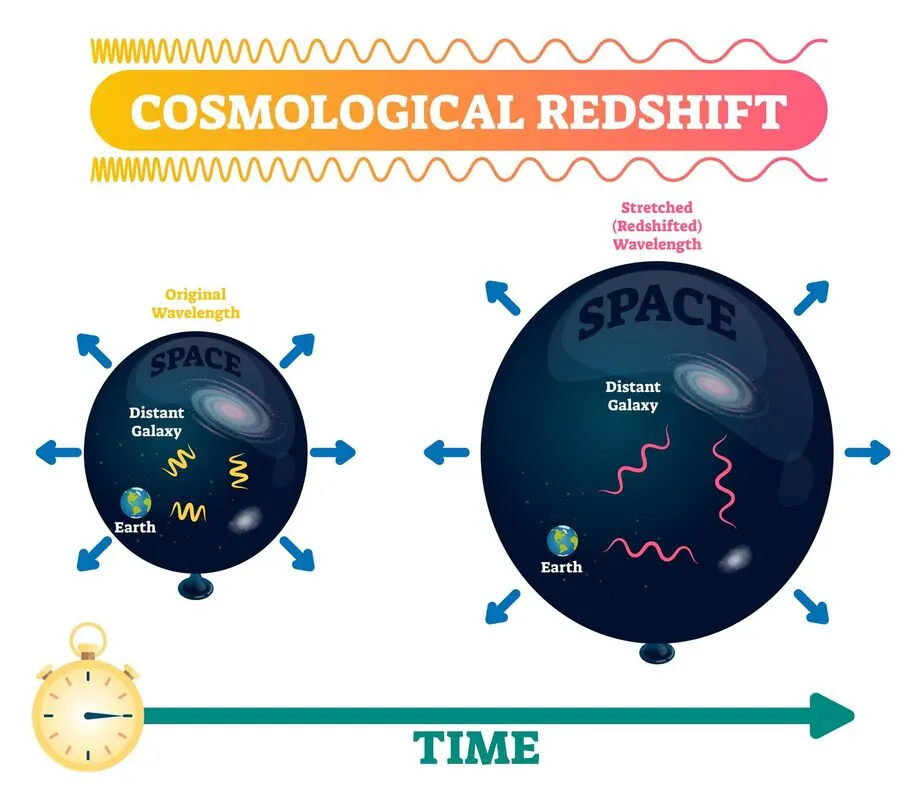
Over the ensuing 13.8 billion years, the expansion of the universe has stretched this light into the microwave part of the spectrum, cooling it to a nearly uniform glow of just 2.7 degrees above absolute zero that permeates all of space.
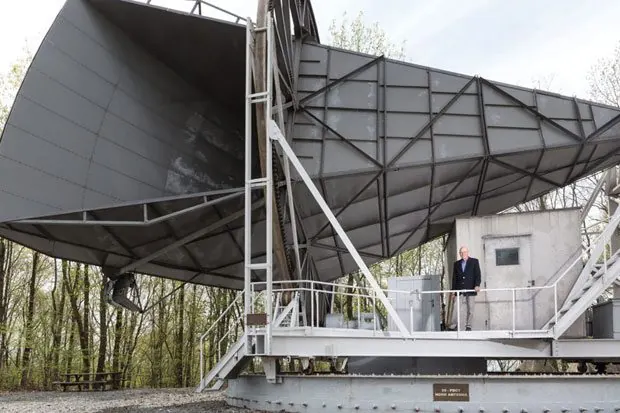
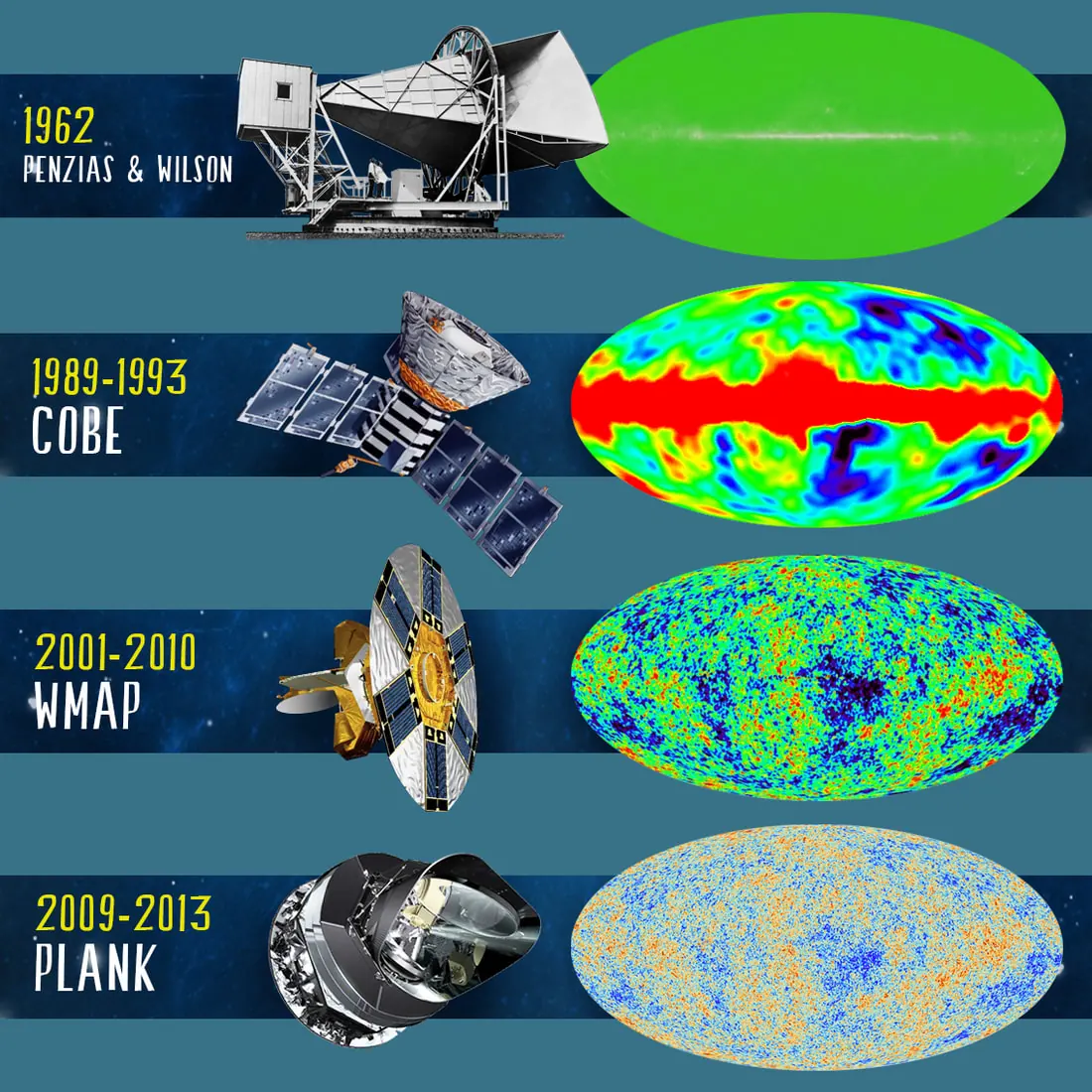
In 1964, Arno Penzias and Robert Wilson at Bell Labs were troubleshooting a persistent, faint hiss in their sensitive horn antenna. After meticulously eliminating all potential sources of interference, including famously evicting a pair of pigeons, they concluded the signal was real and coming from beyond our galaxy.
Meanwhile, just 60 kilometers away at Princeton University, a team of physicists led by Robert Dicke was actively building a radio antenna for the explicit purpose of finding a predicted relic radiation from a hot, dense early universe—the afterglow of the Big Bang. When Penzias and Wilson, still troubled by their unexplained finding, happened to telephone a colleague who knew of the Princeton group's work, the pieces suddenly fell into place.
The two teams met, and it became immediately clear that the "annoying background noise" Penzias and Wilson had worked so hard to eliminate was, in fact, the very signal the Princeton team was seeking. The persistent hiss was not a technical flaw; it was the faint, cooled whisper of the Big Bang itself, the Cosmic Microwave Background radiation.
This discovery, for which they later won the Nobel Prize, transformed cosmology from a realm of speculative theory into a precision science, providing tangible proof that the universe had a hot, dense beginning.
Meanwhile, just 60 kilometers away at Princeton University, a team of physicists led by Robert Dicke was actively building a radio antenna for the explicit purpose of finding a predicted relic radiation from a hot, dense early universe—the afterglow of the Big Bang. When Penzias and Wilson, still troubled by their unexplained finding, happened to telephone a colleague who knew of the Princeton group's work, the pieces suddenly fell into place.
The two teams met, and it became immediately clear that the "annoying background noise" Penzias and Wilson had worked so hard to eliminate was, in fact, the very signal the Princeton team was seeking. The persistent hiss was not a technical flaw; it was the faint, cooled whisper of the Big Bang itself, the Cosmic Microwave Background radiation.
This discovery, for which they later won the Nobel Prize, transformed cosmology from a realm of speculative theory into a precision science, providing tangible proof that the universe had a hot, dense beginning.
|
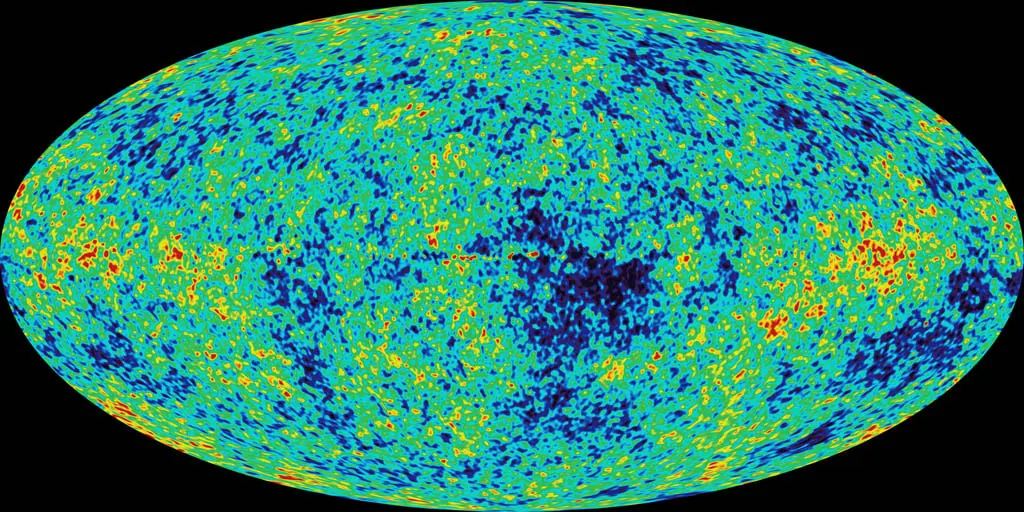
Subsequent missions have further refined the resolution ad expanded our understanding of the universe.
|
 |
Today, the study of the CMB continues, with researchers seeking to detect the faint polarization signals from primordial gravitational waves, offering a potential glimpse into the universe's first moments. As the definitive afterglow of the Big Bang, the CMB remains our most powerful window into the cosmic dawn.