Space Technology for National Security
The Strategic Role of Space in National Security
Space has become a domain that shapes the outcome of contemporary conflicts. Military operations across all domains draw persistent support from satellites and space-derived data. States without independent space infrastructure find their command, control, intelligence, and strike capabilities constrained. The gap between states with and without space access has widened in recent conflicts, where space systems provide real-time awareness, reliable communication, and precise guidance.
From a national defence perspective, observing conflicts around the world underscores the necessity for self-reliance and resilience in space systems. Reliance on external providers can introduce vulnerabilities in times of geopolitical tension. The ability to maintain secure communications, precise navigation, and persistent surveillance is a requirement for national security. Nations that lack independent access to these capabilities find themselves at a distinct disadvantage, unable to fully control or protect their national interests.
Space has become a domain that shapes the outcome of contemporary conflicts. Military operations across all domains draw persistent support from satellites and space-derived data. States without independent space infrastructure find their command, control, intelligence, and strike capabilities constrained. The gap between states with and without space access has widened in recent conflicts, where space systems provide real-time awareness, reliable communication, and precise guidance.
From a national defence perspective, observing conflicts around the world underscores the necessity for self-reliance and resilience in space systems. Reliance on external providers can introduce vulnerabilities in times of geopolitical tension. The ability to maintain secure communications, precise navigation, and persistent surveillance is a requirement for national security. Nations that lack independent access to these capabilities find themselves at a distinct disadvantage, unable to fully control or protect their national interests.
 |
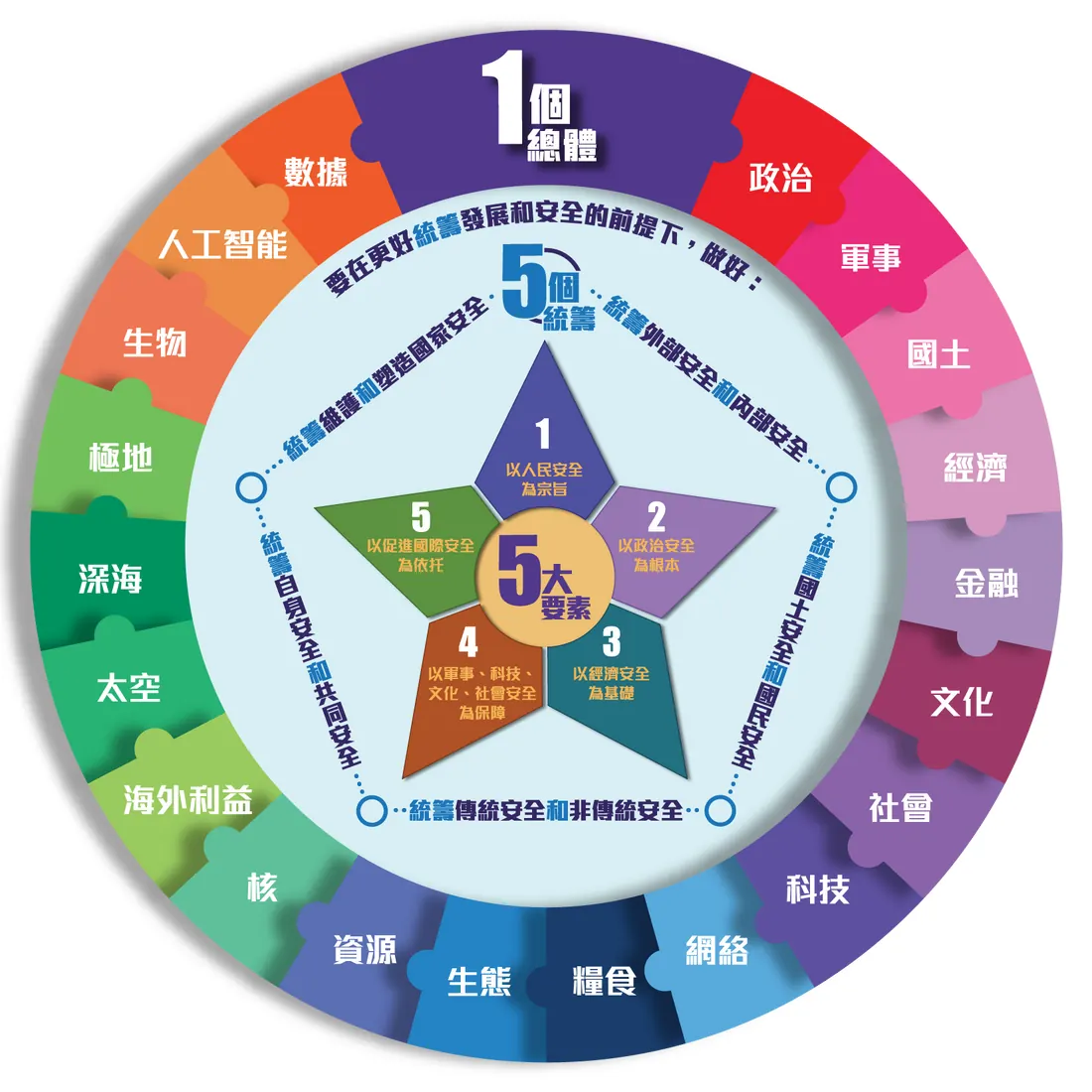 |
China’s understanding of national security is guided by the holistic approach known as the Overall National Security Concept, a strategic framework proposed by the Chinese government that emphasizes a “comprehensive and systematic big security” philosophy.
As outlined in official document integrated key areas including cyber security, outer space security, science and technology security, military security, and artificial intelligence (AI) security, recognizing that these domains are critical to national sovereignty and development.
As outlined in official document integrated key areas including cyber security, outer space security, science and technology security, military security, and artificial intelligence (AI) security, recognizing that these domains are critical to national sovereignty and development.
Weapon and Support Systems Dependent on Space Technology
Space technology underpins a wide range of modern weapon and support systems, with each system relying on space assets to enhance its effectiveness. These systems span naval, land, air, and even cyber domains, demonstrating how space has become an integral part of military operations.
Naval Support Systems
Naval groups operating in open oceans depend on satellite technology for navigation, communication, and surveillance. They require positioning data to surface ships, submarines, and aircraft, allowing them to coordinate movements accurately. Satellite communication systems enable secure, real-time contact between naval units and land-based command centres. Weather satellites supply information on sea conditions and storms to support operational planning. In addition, ocean surveillance satellites equipped with synthetic aperture radar can detect and track enemy vessels through clouds and at night.
Naval groups operating in open oceans depend on satellite technology for navigation, communication, and surveillance. They require positioning data to surface ships, submarines, and aircraft, allowing them to coordinate movements accurately. Satellite communication systems enable secure, real-time contact between naval units and land-based command centres. Weather satellites supply information on sea conditions and storms to support operational planning. In addition, ocean surveillance satellites equipped with synthetic aperture radar can detect and track enemy vessels through clouds and at night.
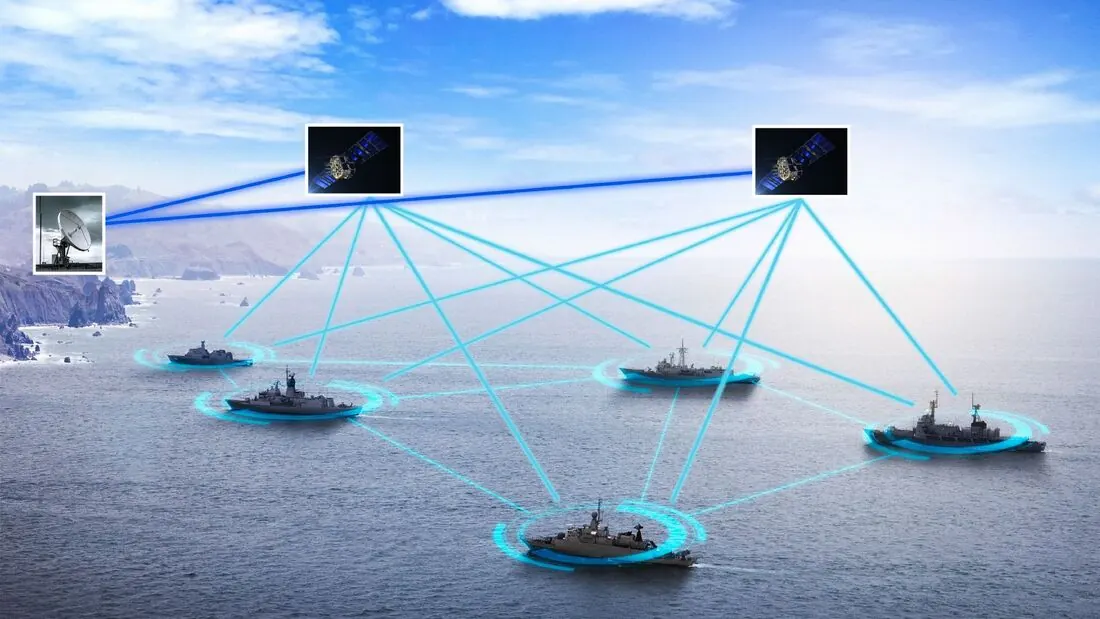 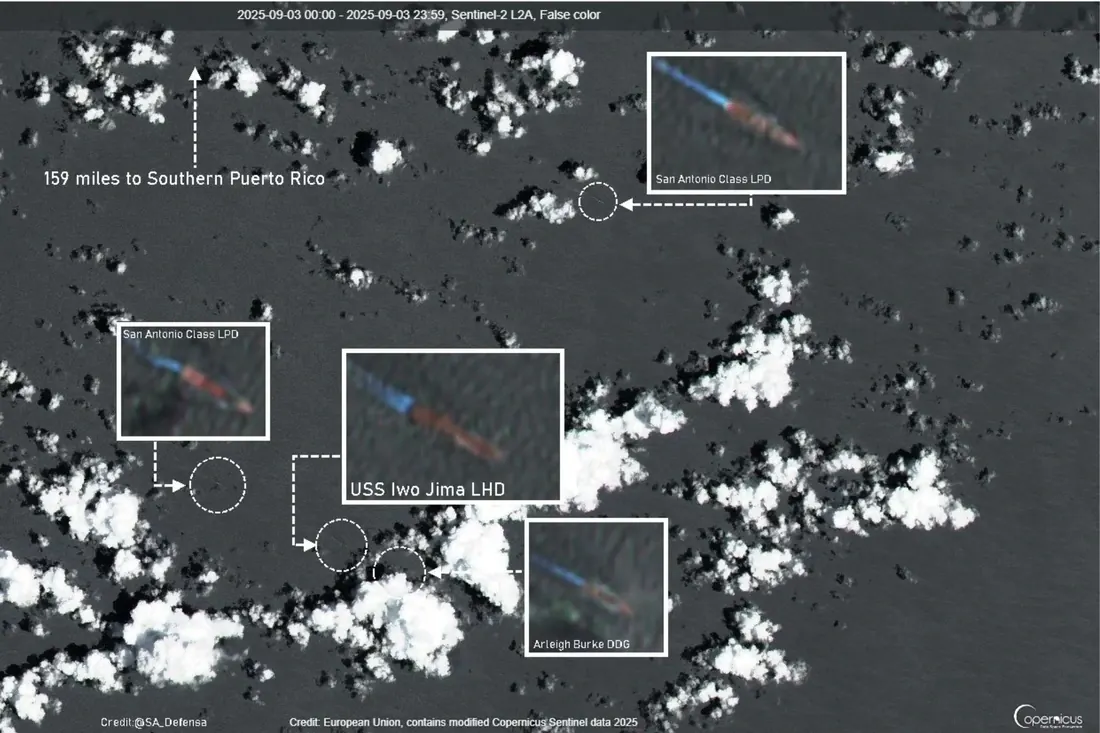 Satellite Photos Capture US Navy Fleet Approaching Venezuela - armyrecognition.com
|
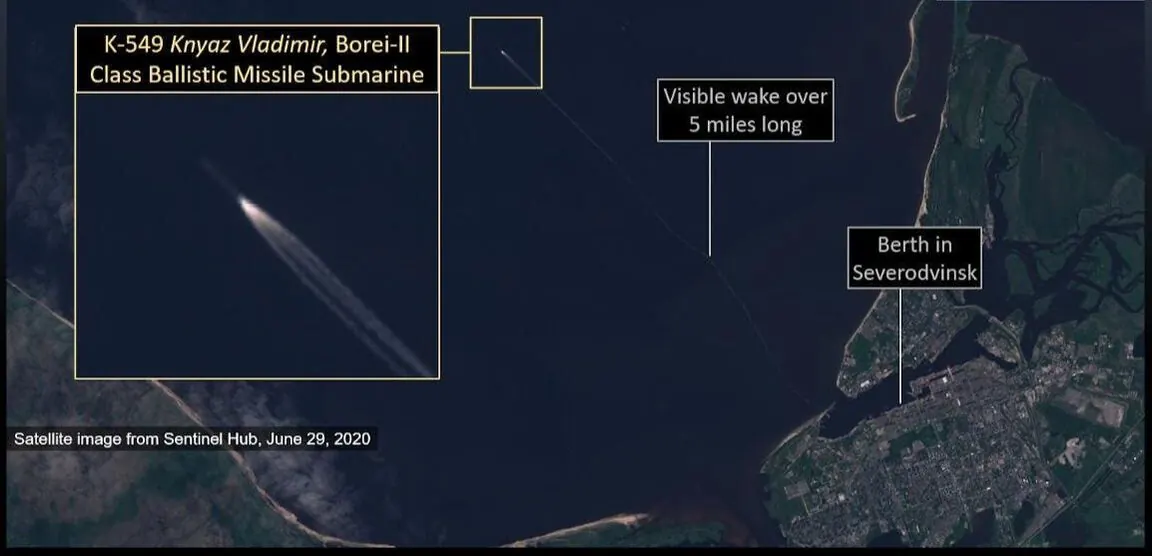 Russian submarine trails were captured by satellite imagery - Forbes
 Chinese Liaoning aircraft carrier group satellite image - independent.co.uk
|
Land Surveillance and Ground Operations
Land surveillance and ground military operations depend on the synergy between space technology and unmanned aerial vehicles (UAVs), as well as other ground-based systems.
Reconnaissance satellites—including optical and SAR satellites—provide wide-area coverage of battlefield terrain, troop deployments, and enemy infrastructure. These satellites can capture high-resolution imagery, identify changes in terrain or troop movements, and supply intelligence that helps commanders make informed decisions.
Land surveillance and ground military operations depend on the synergy between space technology and unmanned aerial vehicles (UAVs), as well as other ground-based systems.
Reconnaissance satellites—including optical and SAR satellites—provide wide-area coverage of battlefield terrain, troop deployments, and enemy infrastructure. These satellites can capture high-resolution imagery, identify changes in terrain or troop movements, and supply intelligence that helps commanders make informed decisions.
- SAR satellites can penetrate clouds, fog, and vegetation, making them useful for monitoring areas with harsh weather conditions or dense foliage.
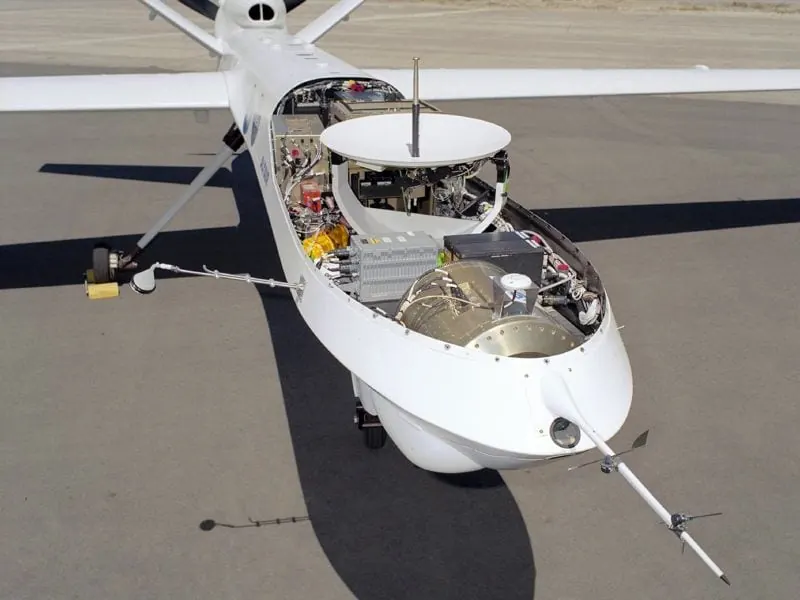
- UAVs, often referred to as drones, work in tandem with space systems: they use satellite navigation for precise positioning and satellite communication to relay real-time video and data back to command centers.
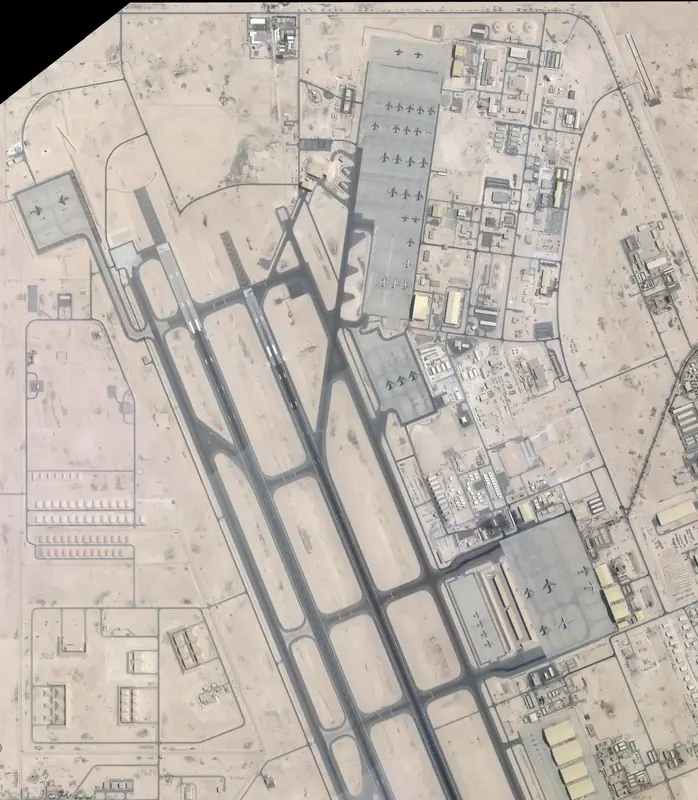 This June 5, 2025, image shows dozens of aircraft parked at Al Udeid in Qatar. Planet Labs PBC businessinsider.com
|
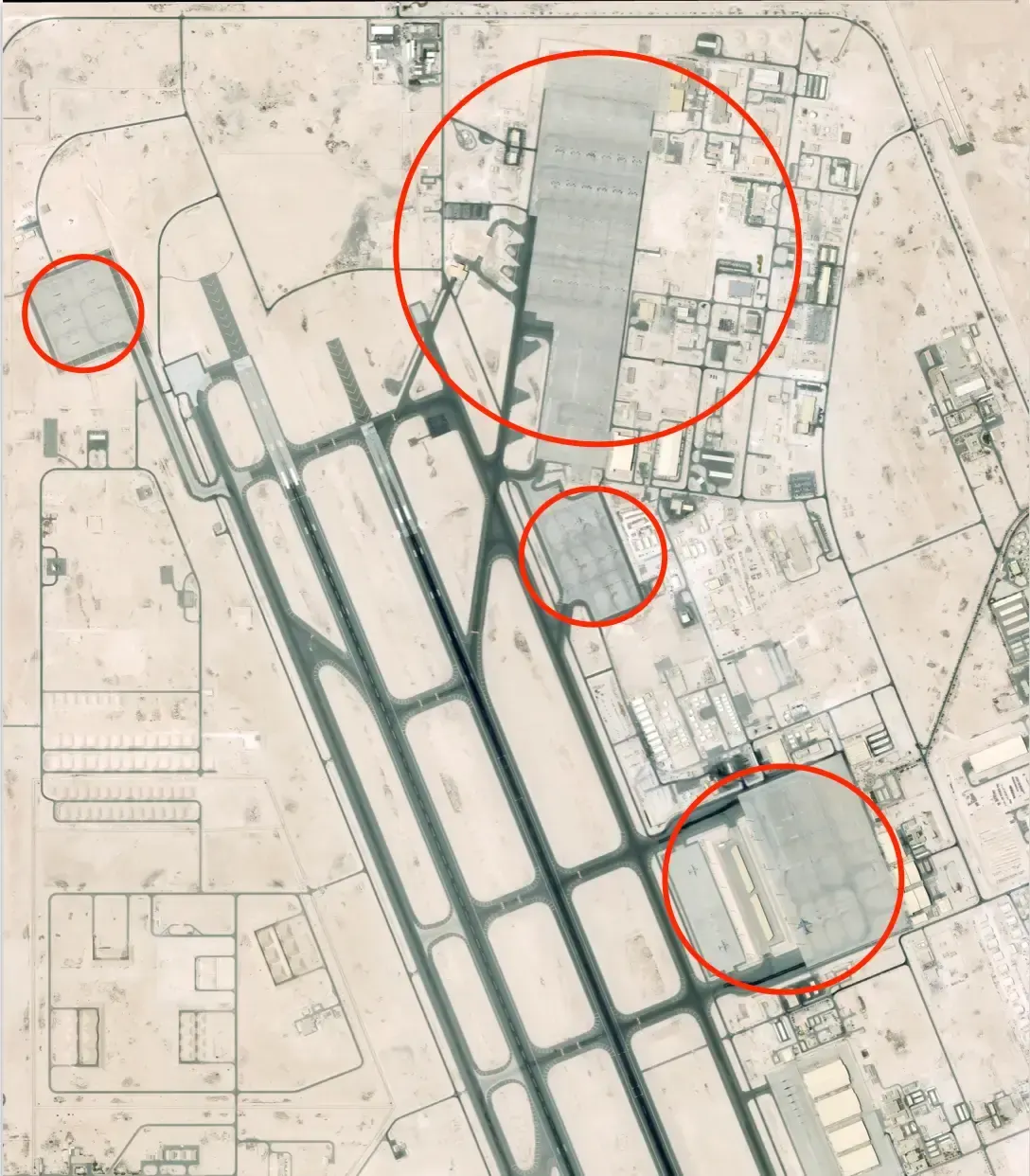 Nearly all the aircraft had left by June 19, 2025, except for a few spotted in the bottom circle. Planet Labs PBC businessinsider.com
|
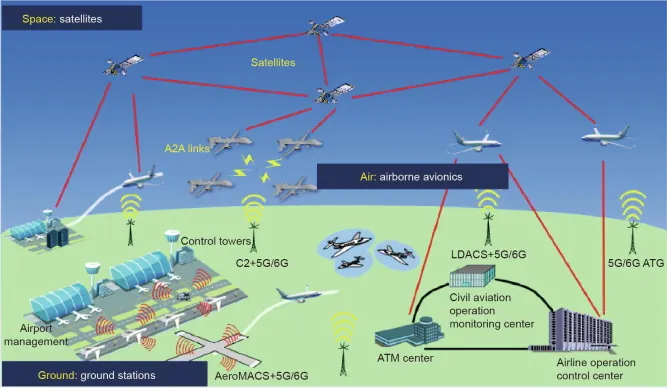 Aeronautical Mobile Communication: The Evolution from Narrowband to Broadband
Author Jun Zhang
|
 |
Early Warning and Missile Defense Systems
Early warning and missile defense systems rely on space-based sensors to detect and track missile launches, providing critical time for defensive responses. Space-based infrared sensors (SBIRS), mounted on satellites, detect the thermal signature of missile exhaust during the boost phase, allowing operators to identify the launch location, trajectory, and potential target. This data is then relayed to ground-based command centers, which can deploy interceptor missiles to destroy the incoming threat. For example, the U.S. SBIRS system monitors global missile activity, while Russia’s Oko and China’s early warning satellite systems perform similar functions. These space-based systems are essential for defending against ballistic missile attacks, as they provide earlier detection than ground-based sensors, which have limited range.
Early warning and missile defense systems rely on space-based sensors to detect and track missile launches, providing critical time for defensive responses. Space-based infrared sensors (SBIRS), mounted on satellites, detect the thermal signature of missile exhaust during the boost phase, allowing operators to identify the launch location, trajectory, and potential target. This data is then relayed to ground-based command centers, which can deploy interceptor missiles to destroy the incoming threat. For example, the U.S. SBIRS system monitors global missile activity, while Russia’s Oko and China’s early warning satellite systems perform similar functions. These space-based systems are essential for defending against ballistic missile attacks, as they provide earlier detection than ground-based sensors, which have limited range.
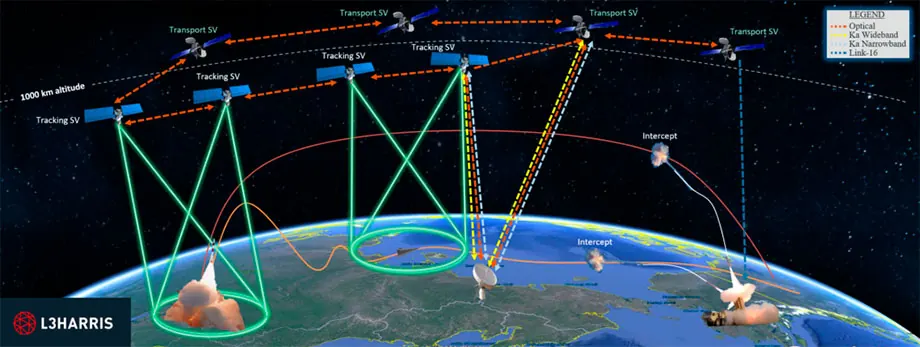
Ballistic (red line) and hypersonic (orange line) missile trajectory tracked by Tracker Layer constellation satellites
Source: L3Harris
Lessons from Recent Conflicts
Conflicts over the past few decades have provided valuable lessons for China, highlighting the importance of space technology in modern warfare and the risks of relying on foreign space systems. These conflicts also underscore the increasing role of unmanned vehicles, which are closely tied to space capabilities.
"Yinhe" incident 銀河號事件
The 1993 "Yinhe" incident serves as a historical lesson on the importance of technological self-reliance. During this incident, the Chinese cargo ship Yinhe was intercepted and detained in the international waters of the Indian Ocean by the United States on unfounded suspicions of carrying chemical weapon materials to Iran. For approximately three weeks, the ship was left without reliable navigational positioning due to its dependence on the U.S.-controlled GPS system, which left the vessel effectively "blind" . The incident, which the lead Chinese negotiator later described with the word "humiliating" seventeen times, underscored a strategic vulnerability. It became a powerful catalyst, reinforcing the national imperative to develop indigenous and resilient systems like the Beidou Navigation Satellite System, ensuring that such dependence would not leave the nation disadvantaged again .
The 1993 "Yinhe" incident serves as a historical lesson on the importance of technological self-reliance. During this incident, the Chinese cargo ship Yinhe was intercepted and detained in the international waters of the Indian Ocean by the United States on unfounded suspicions of carrying chemical weapon materials to Iran. For approximately three weeks, the ship was left without reliable navigational positioning due to its dependence on the U.S.-controlled GPS system, which left the vessel effectively "blind" . The incident, which the lead Chinese negotiator later described with the word "humiliating" seventeen times, underscored a strategic vulnerability. It became a powerful catalyst, reinforcing the national imperative to develop indigenous and resilient systems like the Beidou Navigation Satellite System, ensuring that such dependence would not leave the nation disadvantaged again .
 |
 |
The Gulf War (1990–1991)
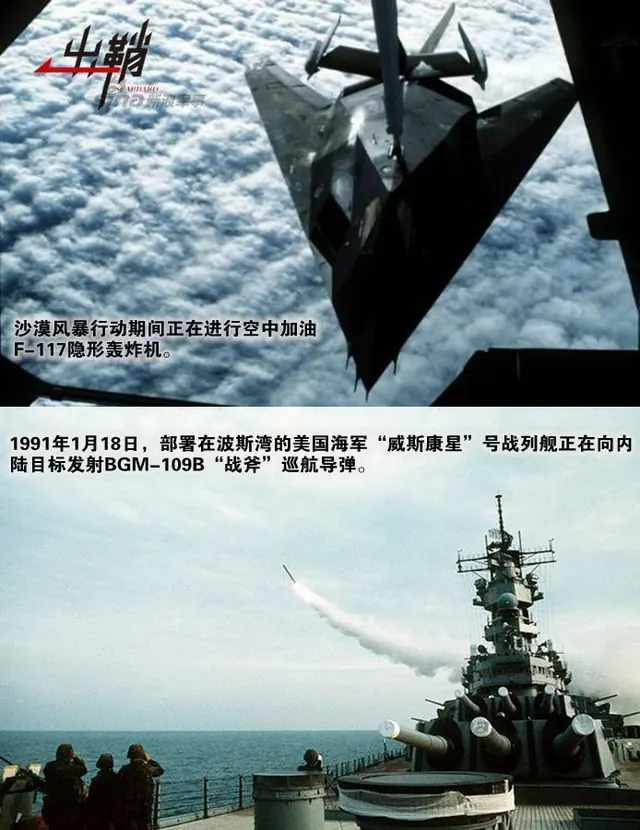
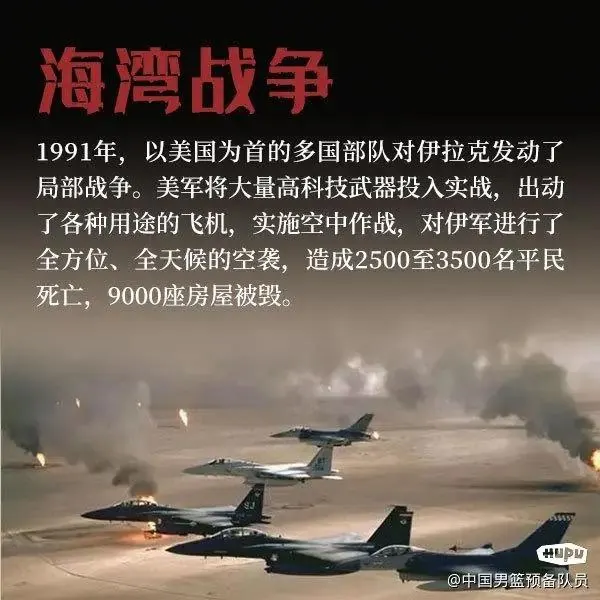
1991 Gulf War (U.S.-led coalition against Iraq) was a pivotal early lesson for China, showcasing the transformative role of space technology in modern warfare. During this conflict, the U.S.-led coalition deployed over 50 satellites, including GPS navigation satellites, reconnaissance satellites, and communication satellites, to achieve complete information dominance. Iraq’s conventional military, though numerically large, lacked any independent space capabilities and relied on outdated ground-based communication and surveillance systems. The coalition used GPS to guide precision-guided munitions (PGMs), including Tomahawk cruise missiles, which struck Iraqi command centers, air defense systems, and infrastructure with unprecedented accuracy. Reconnaissance satellites provided real-time intelligence on Iraqi troop movements and weapon stockpiles, while satellite communication ensured seamless coordination between coalition air, ground, and naval forces. For China, the 1991 Gulf War revealed the vast gap between its own military capabilities and those of a space-enabled force, emphasizing the urgent need to develop independent space infrastructure to avoid strategic disadvantage. This conflict prompted China to prioritize the development of its own navigation, reconnaissance, and communication satellite systems, laying the groundwork for projects like the Beidou Navigation Satellite System.
1991 Gulf War (U.S.-led coalition against Iraq) was a pivotal early lesson for China, showcasing the transformative role of space technology in modern warfare. During this conflict, the U.S.-led coalition deployed over 50 satellites, including GPS navigation satellites, reconnaissance satellites, and communication satellites, to achieve complete information dominance. Iraq’s conventional military, though numerically large, lacked any independent space capabilities and relied on outdated ground-based communication and surveillance systems. The coalition used GPS to guide precision-guided munitions (PGMs), including Tomahawk cruise missiles, which struck Iraqi command centers, air defense systems, and infrastructure with unprecedented accuracy. Reconnaissance satellites provided real-time intelligence on Iraqi troop movements and weapon stockpiles, while satellite communication ensured seamless coordination between coalition air, ground, and naval forces. For China, the 1991 Gulf War revealed the vast gap between its own military capabilities and those of a space-enabled force, emphasizing the urgent need to develop independent space infrastructure to avoid strategic disadvantage. This conflict prompted China to prioritize the development of its own navigation, reconnaissance, and communication satellite systems, laying the groundwork for projects like the Beidou Navigation Satellite System.
 |
 |
Afghanistan War (2001–2021)
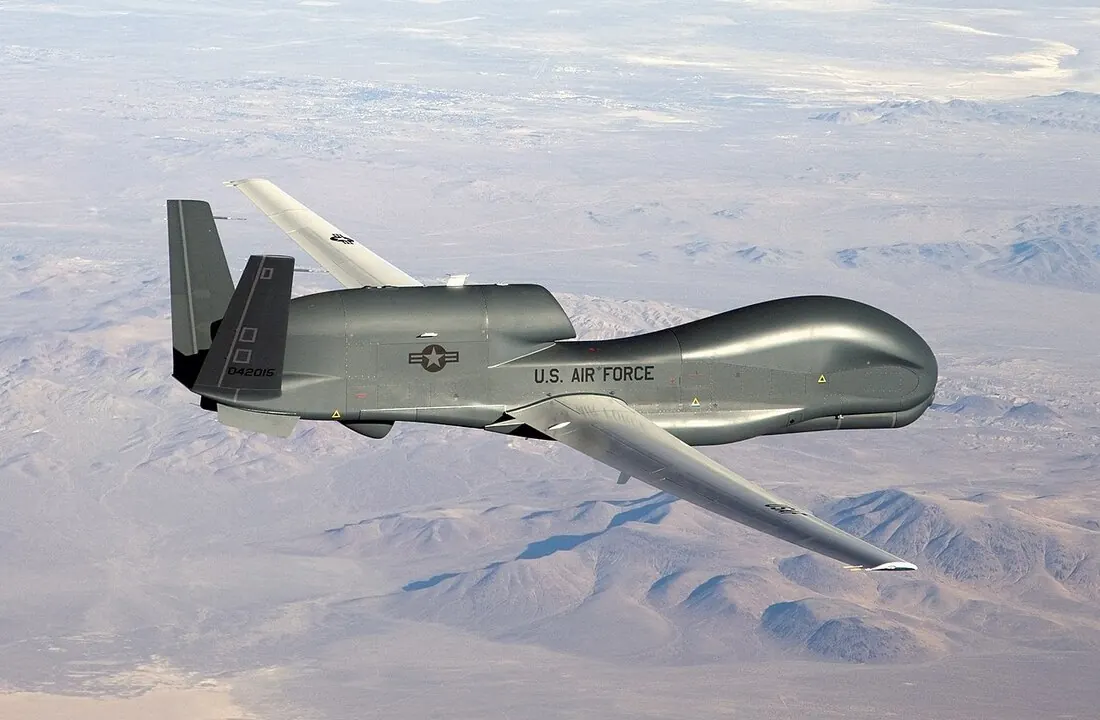
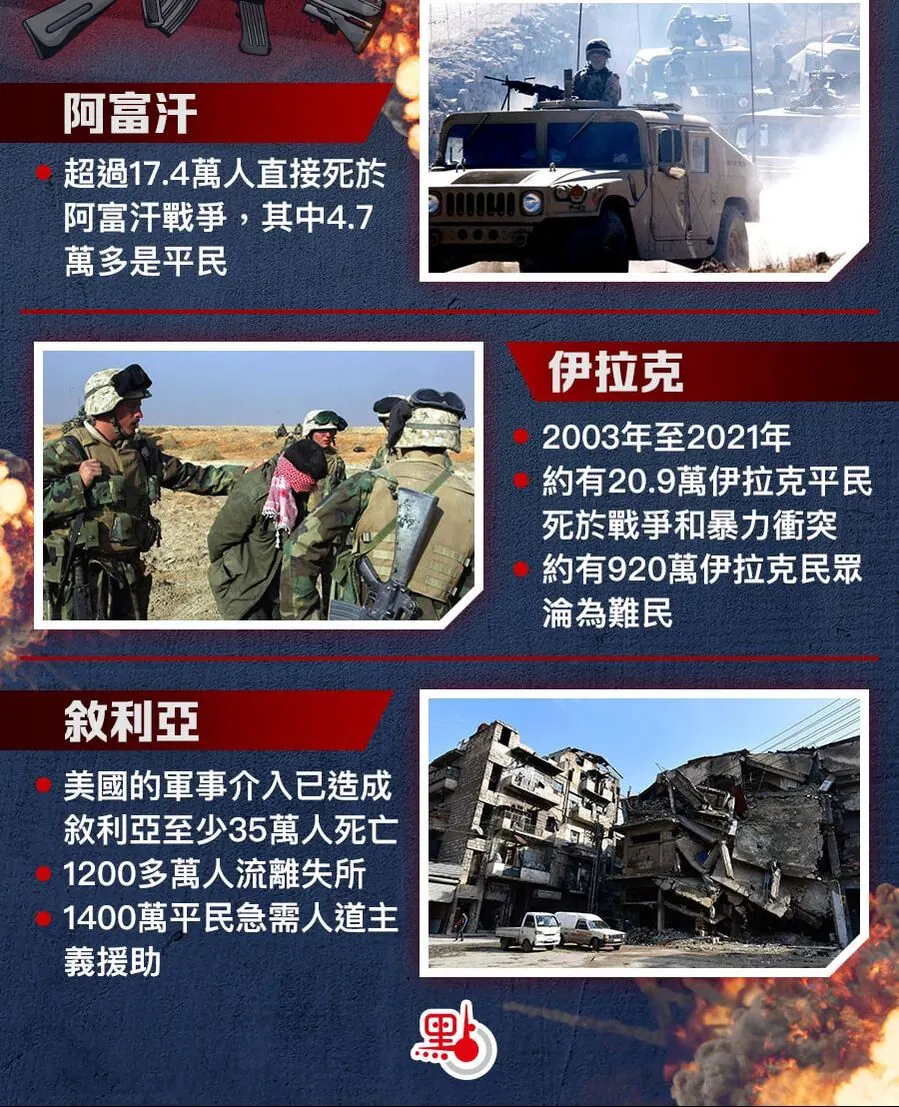
The U.S.-led Afghanistan War (2001–2021) further demonstrated the integration of space systems with unmanned vehicles. In operations like “Operation Anaconda” (2002), the U.S. used reconnaissance satellites to scan mountainous terrain, while “Global Hawk” and “Predator” drones—linked to space navigation and communication—provided 24-hour surveillance and guided strikes. This conflict showed China the value of pairing space technology with UAVs for asymmetric warfare, as well as the importance of real-time intelligence and logistical support enabled by space systems.
The U.S.-led Afghanistan War (2001–2021) further demonstrated the integration of space systems with unmanned vehicles. In operations like “Operation Anaconda” (2002), the U.S. used reconnaissance satellites to scan mountainous terrain, while “Global Hawk” and “Predator” drones—linked to space navigation and communication—provided 24-hour surveillance and guided strikes. This conflict showed China the value of pairing space technology with UAVs for asymmetric warfare, as well as the importance of real-time intelligence and logistical support enabled by space systems.
 |
 dotdotnews.com
|
Russia-Ukraine conflict (2022–present)
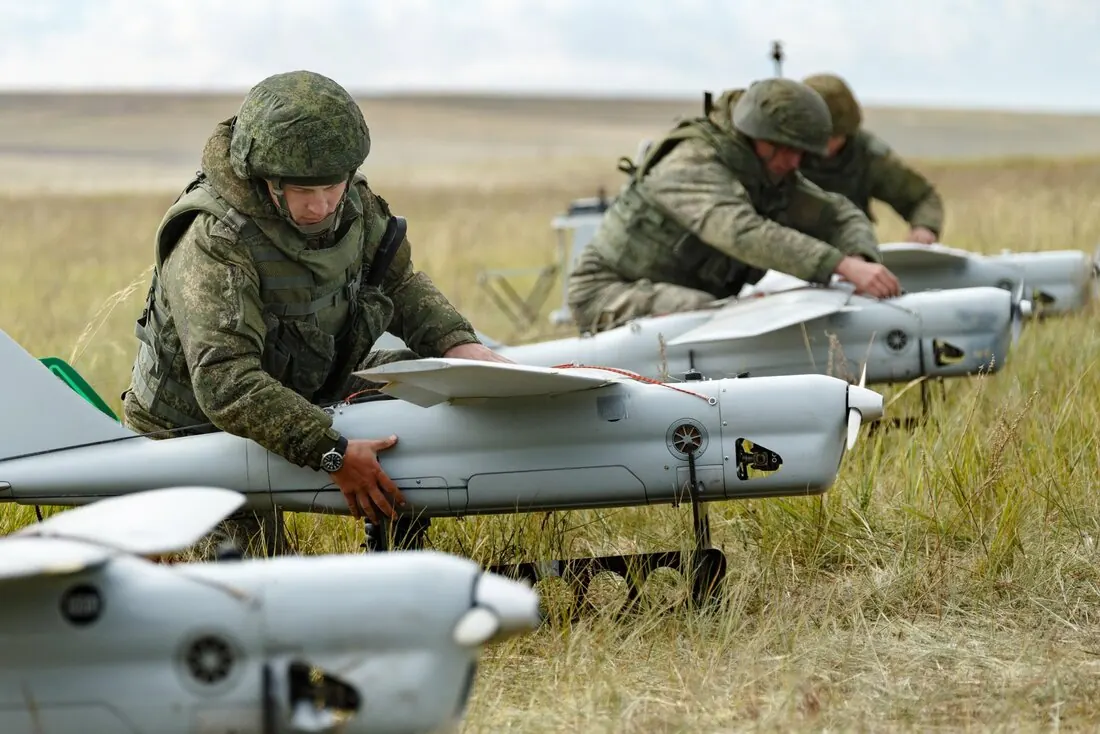
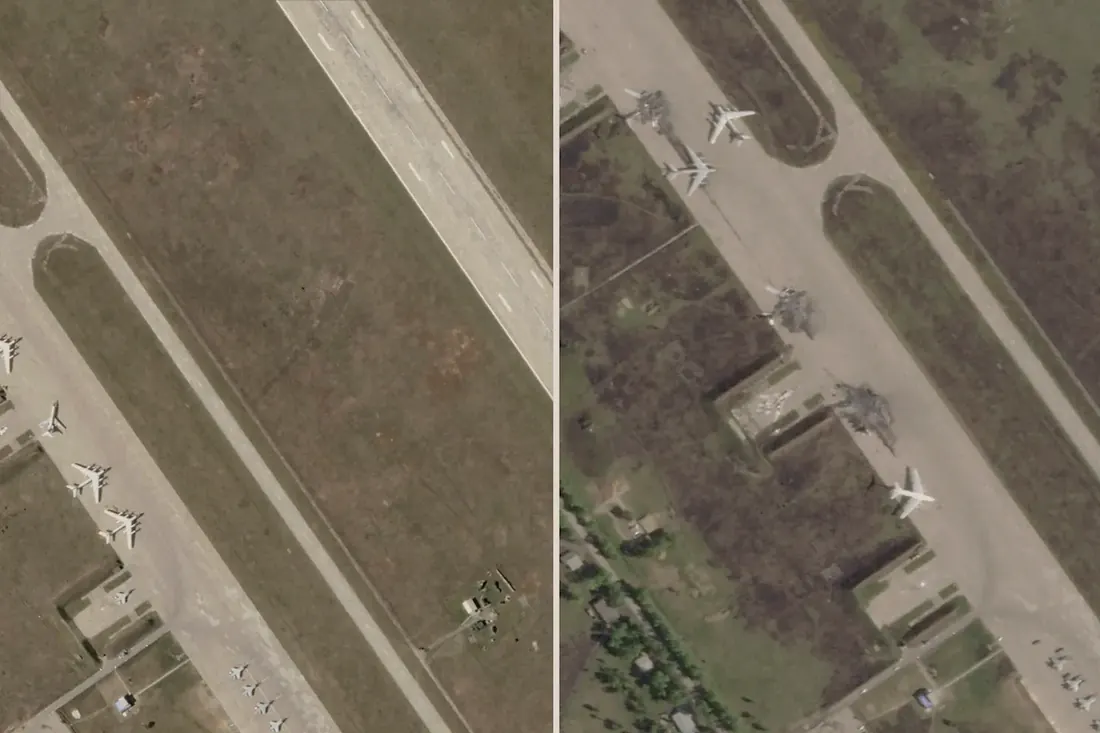
The Russia-Ukraine conflict (2022–present) has been one of the most recent demonstration of space technology in modern conventional warfare. Ukraine, supported by Western countries, used Starlink for communication and Western reconnaissance satellites for intelligence, while Russia jammed GPS and Starlink signals and used GLONASS for its own drones. This conflict reinforced China’s focus on independent navigation systems (Beidou), the importance of LEO satellite constellations for resilience, and the central role of UAVs in modern warfare. It also highlighted the need for space domain awareness and defensive capabilities, as both sides targeted each other’s space-related infrastructure.
The Russia-Ukraine conflict (2022–present) has been one of the most recent demonstration of space technology in modern conventional warfare. Ukraine, supported by Western countries, used Starlink for communication and Western reconnaissance satellites for intelligence, while Russia jammed GPS and Starlink signals and used GLONASS for its own drones. This conflict reinforced China’s focus on independent navigation systems (Beidou), the importance of LEO satellite constellations for resilience, and the central role of UAVs in modern warfare. It also highlighted the need for space domain awareness and defensive capabilities, as both sides targeted each other’s space-related infrastructure.
 Russia-Ukraine Drone Warfare Intensifies - thesvi.org
|
 Satellite images from Planet Labs PBC show Belaya (left) on May 17 and (right) on June 4, after the drone attack - smh.com.au
|
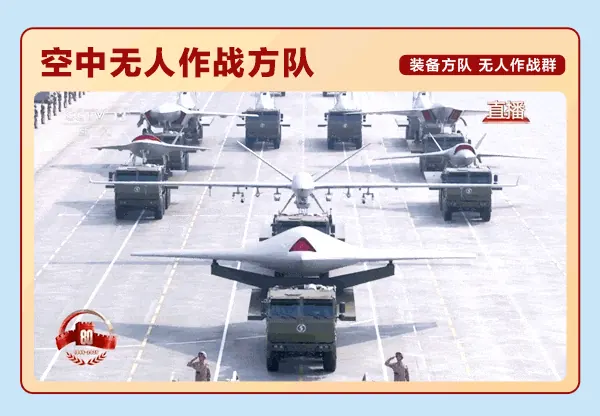
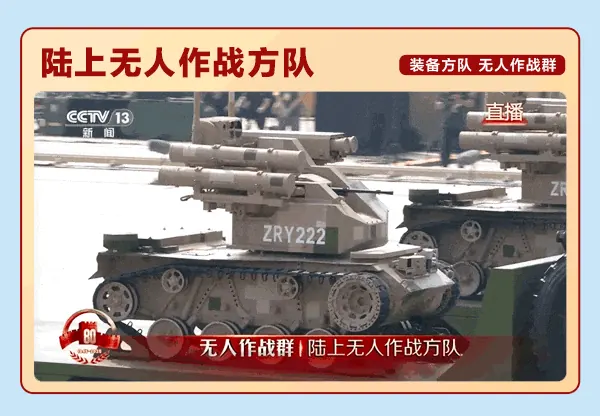
All recent conflicts have shown a sharp increase in the use of advance technologies directly tied to space technology. UAVs have become a staple of modern warfare, used for reconnaissance, strike, and electronic warfare. The U.S. used Predator and Reaper drones extensively in Iraq and Afghanistan, while Ukraine used Bayraktar TB2 drones (guided by GPS) and Russia used Orlan and Lancet drones (guided by GLONASS) in the ongoing conflict. China has responded by developing advanced drones like the Wing Loong and Rainbow series, integrating them with Beidou navigation and space-based data relay to enhance their range and precision. The lessons from these conflicts make clear that unmanned vehicles are no longer auxiliary tools but core components of modern military forces, and their effectiveness depends on reliable space support.
China's New Aerospace and Cyberspace Forces
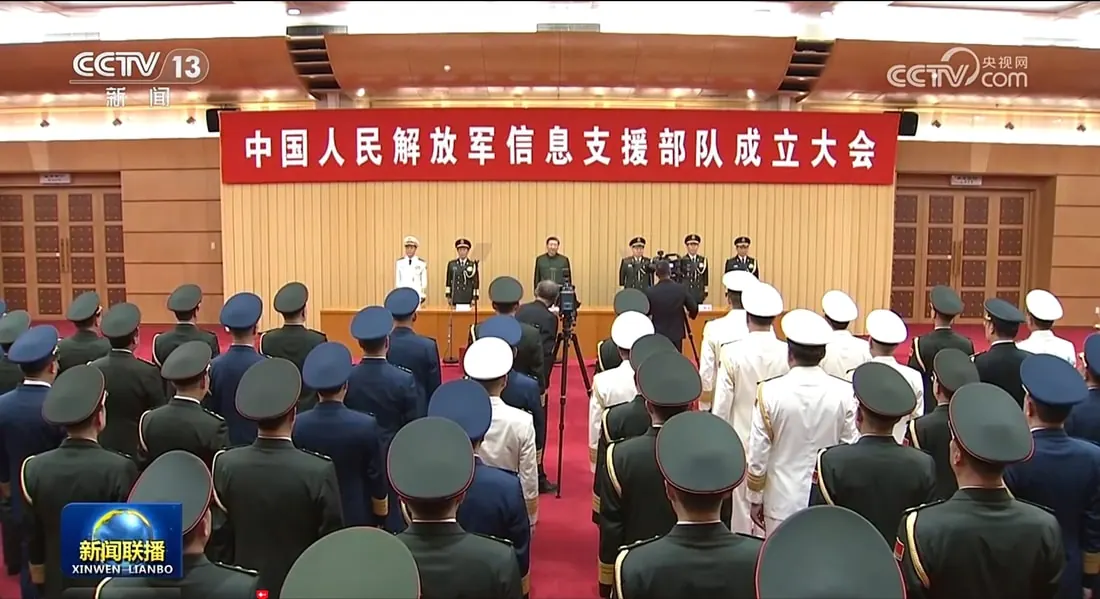
In response to the lessons learned from recent conflicts and the requirements of the Holistic Approach to National Security, China has established dedicated military space and cyber forces, which are integral to the modernization drive of the Chinese People's Liberation Army (PLA). The modernization of the PLA focuses on building a world-class military capable of safeguarding national sovereignty, security, and development interests, with space and cyber capabilities serving as core pillars of this transformation. These new forces work in tandem to protect China’s space assets, support military operations, and counter emerging threats, directly advancing the PLA’s transition toward informationized and intelligent warfare.
 19th April, 2024 dotdotnews.com
|
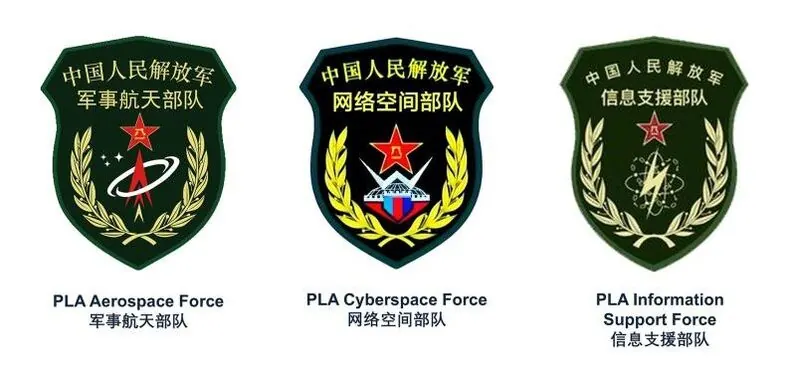 |
China’s military space forces are a key component of the PLA’s modernization, responsible for space domain awareness, space asset protection, and information support. As part of the PLA’s push to integrate space capabilities into joint operations, these forces monitor space activities, track debris and foreign satellites, and protect China’s satellites—including Beidou navigation satellites, remote-sensing satellites, and communication satellites—from threats such as anti-satellite weapons, electronic jamming, and cyberattacks. They also support integrated military operations by providing navigation, communication, and intelligence data, ensuring that the PLA’s ground, air, and naval forces can operate effectively with space-enabled capabilities. Additionally, they are involved in the development and deployment of resilient space systems, including maneuverable satellites and redundant communication networks, to enhance operational continuity in contested environments—all of which align with the PLA’s modernization goal of achieving information dominance and joint operational capability.
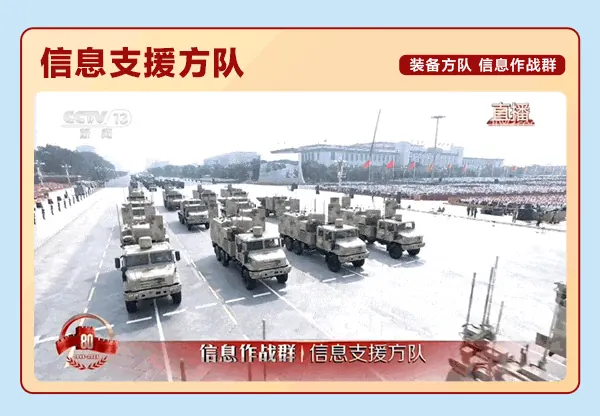
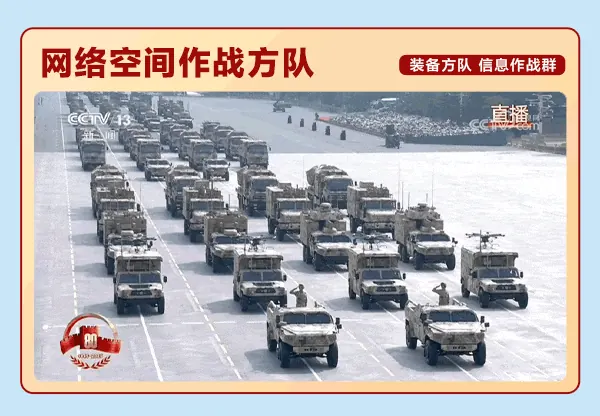
The cyber force, another cornerstone of the PLA’s modernization, focuses on network defense, protecting critical information infrastructure related to space and military operations. As the PLA advances toward intelligent warfare, the integration of cyber and space capabilities becomes increasingly vital—cyber security ensures the integrity of space-based command and control systems, while space technology enables secure, long-range cyber operations. The cyber force defends command networks, satellite control links, and data systems from external intrusion, electronic warfare, and cyberattacks, supporting the PLA’s modernization objective of building a secure, informationized military. These force developments follow a defensive policy, aligned with China’s commitment to maintaining peace and stability in outer space and cyberspace, while ensuring its own national security and advancing the PLA’s modernization agenda.
The cyber force, another cornerstone of the PLA’s modernization, focuses on network defense, protecting critical information infrastructure related to space and military operations. As the PLA advances toward intelligent warfare, the integration of cyber and space capabilities becomes increasingly vital—cyber security ensures the integrity of space-based command and control systems, while space technology enables secure, long-range cyber operations. The cyber force defends command networks, satellite control links, and data systems from external intrusion, electronic warfare, and cyberattacks, supporting the PLA’s modernization objective of building a secure, informationized military. These force developments follow a defensive policy, aligned with China’s commitment to maintaining peace and stability in outer space and cyberspace, while ensuring its own national security and advancing the PLA’s modernization agenda.
  |
  |